How the US Midterms and Energy Affordability Are Intersecting in the Climate Debate
· GlobeWire Daily Climate Desk · Source: www.theguardian.com

Image: www.theguardian.com — Creative Commons
As voters increasingly feel the financial pressure of rising energy costs, the upcoming US midterm elections are emerging as a critical test for climate and energy policies. With potential shifts in congressional control hanging in the balance, the results could significantly influence the trajectory of the Trump administration's pro-fossil fuel agenda and shape future state and federal environmental regulations.
Congressional Power Shifts and Legislative Leverage
Polling indicates that Democrats have a pathway to potentially take control of the House and Senate, alongside possible gains in gubernatorial seats. According to legal experts, a Democratic majority in Congress would not be able to overturn previous Republican actions or pass new legislation that faces a presidential veto, but it would provide new avenues for opposition.
Michael Gerrard, director of the Sabin Center for Climate Change Law, notes that a Democratic-controlled House would force the White House to negotiate on federal budgets. This dynamic could allow lawmakers to insert pro-climate provisions into must-pass appropriations bills. Additionally, House Democrats could utilize subpoena and investigative powers to scrutinize administration actions, such as federal interventions in lawsuits involving energy infrastructure. In the Senate, a Democratic majority could stall federal judicial and cabinet nominations, impacting long-term appointments.
Conversely, if Republicans maintain control of both chambers, it would likely embolden further environmental rollbacks. Analysts suggest that unified legislative support would continue to back executive actions favoring fossil fuels while leaving regulatory oversight largely unchallenged.
Affordability, Energy Bills, and Clean Energy Jobs
Economic pressures have brought energy affordability to the forefront of voter concerns. Studies on energy market constraints project that limits on solar and wind deployment could drive up average household energy costs nationally between 2027 and 2033, with regions like Texas facing steeper forecasted rate increases.
At the same time, policy shifts have impacted employment in the renewable sector. Reports analyzing Department of Energy figures and business advocacy data indicate a contraction in the U.S. clean energy workforce over recent cycles, with states heavily invested in energy production experiencing notable job fluctuations. Meanwhile, reliance on natural gas infrastructure has exposed consumers to increased price volatility, with utility providers seeking substantial rate increases affecting millions of customers.
Campaign Strategies and 'Climate Hushing'
Despite polling that shows widespread voter interest in climate issues—particularly among those affected by extreme weather—many midterm candidates have engaged in "climate hushing," avoiding direct references to climate change.
University of Michigan researchers have identified distinct messaging strategies among candidates in battleground states who instead frame climate concerns around everyday economic issues. These include focusing on utility bills, datacenter impacts, clean energy investments, and rising insurance costs driven by extreme weather events. These races will serve as a practical test of whether tying environmental policy directly to affordability resonates with voters.
The Legal Landscape Ahead
Regardless of the electoral outcome, major environmental battles are increasingly shifting to the courts. Legal experts point to high-stakes litigation currently moving through the federal judiciary, including challenges to the revocation of the EPA's endangerment finding, which underpins federal greenhouse gas regulations.
Additionally, the U.S. Supreme Court is set to rule on cases such as Suncor v. Boulder, which addresses whether local municipalities can hold fossil-fuel companies financially accountable for climate-related damages. A ruling against local authorities could curtail similar accountability efforts nationwide.
Practical Implications and Verification
Readers can evaluate ongoing developments by reviewing primary sources, policy analysis reports, and official election data.
- What is confirmed: Polling projections regarding potential shifts in congressional and gubernatorial seats; published economic studies projecting energy cost impacts; ongoing federal litigation concerning environmental regulations; and documented shifts in clean energy employment numbers.
- What remains unknown: The final outcome of the midterm elections; the ultimate rulings in pending federal court cases; and the long-term legislative compromises that may emerge from a divided or unified Congress.
- How to verify: Readers can review the original reporting and analysis via [The Guardian](https://www.theguardian.com/us-news/2026/oct/30/climate-crisis-midterms-affordability), consult research organizations such as the Sabin Center for Climate Change Law, and track court dockets for updates on pending environmental litigation.
AI-assisted reporting; source claims are attributed and have not been independently verified.
More to read
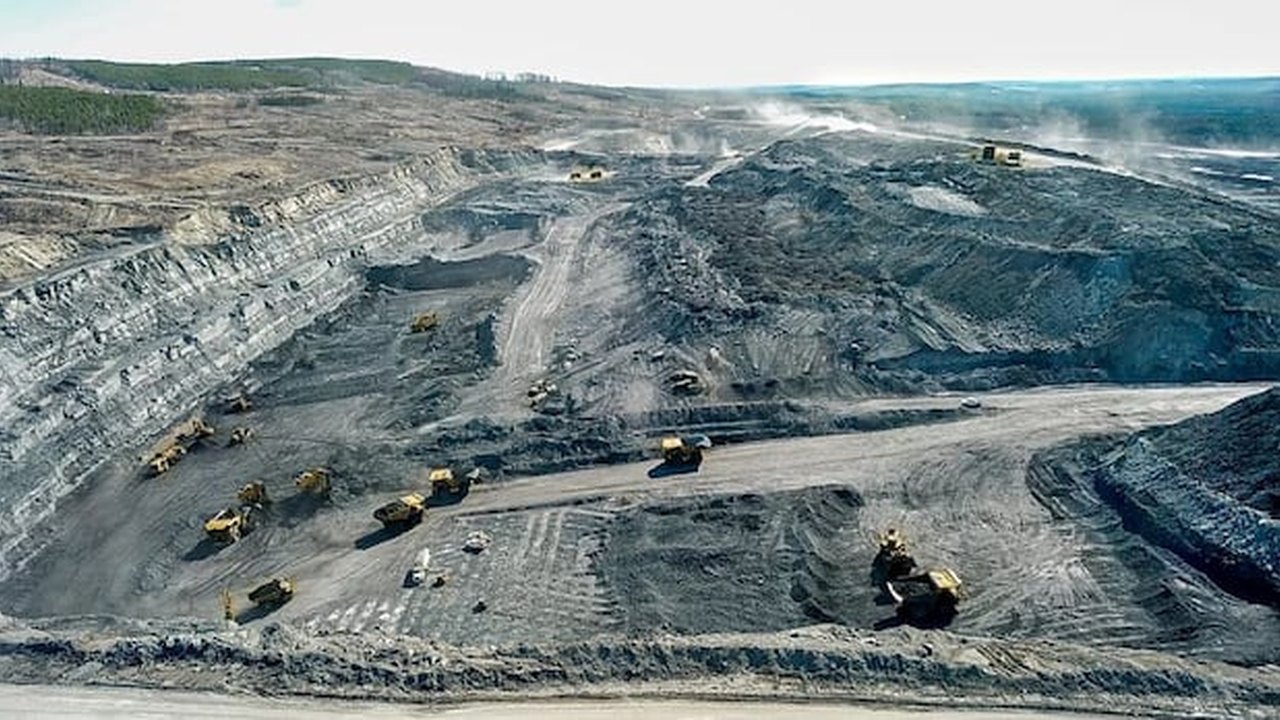 Federal Auditor Finds Ottawa Quietly Dropped Thermal Coal Export Ban Without Public Notice
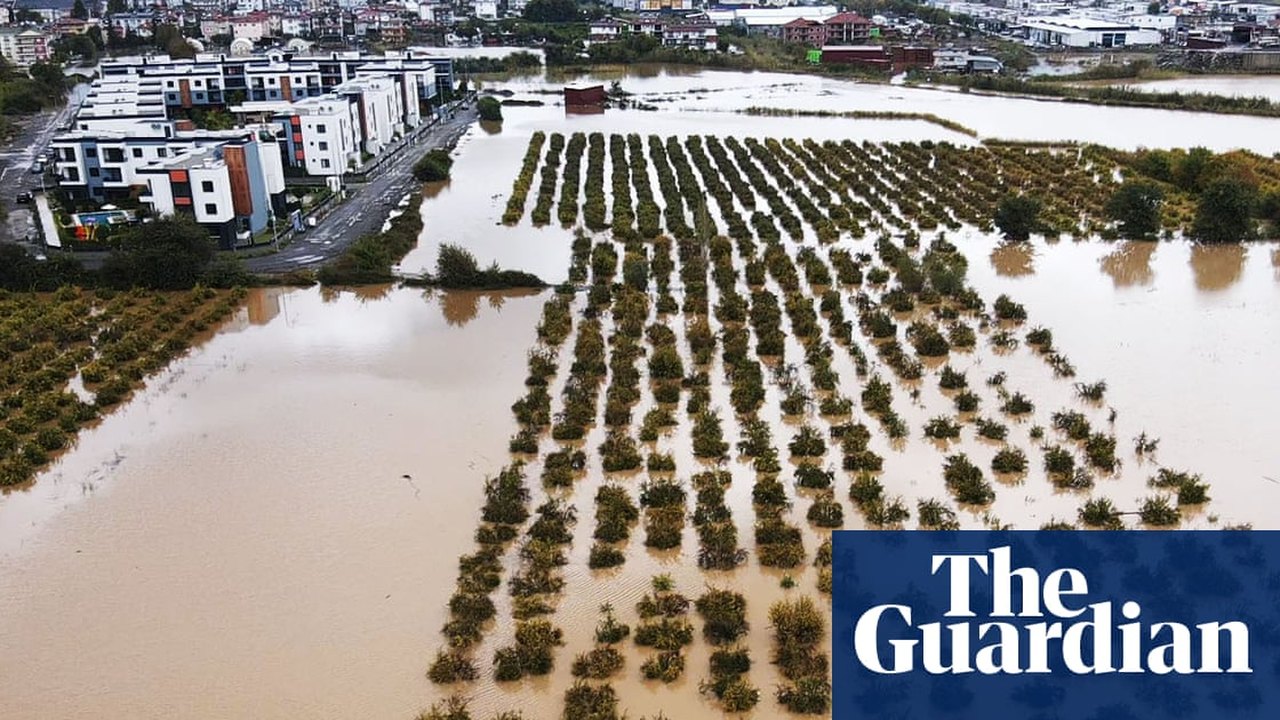 Severe Rainfall and Flood Warnings Issued for Central Greece and Western Turkey
 Sinkholes, Scarred Land, and the Complex Realities of Illegal Gold Mining in Johannesburg
 Restaurant‑Focused COVID‑19 Disaster Loans Turn Into Debt Burdens as Default Rates Surge
Trending on GlobeWire Daily
Selected from recent coverage and related topics; not live search rankings.
 Sony Announces Film Adaptation of Indie Horror Game 'Mouthwashing'
 India Post Announces 24 Staff Car Driver Vacancies in Tamil Nadu Circle for 2026
 West Bengal Renames Krishak Bandhu Scheme to Mukhyamantri Kisan Samman Nidhi, Announces ₹3,000 Annual Top-Up
 GRID India Opens Applications for 15 Paid Power‑System Internships (Oct‑Nov 2026)
 Fanzart Seeks Business Development Specialist for On-Site Role in Ranchi
 Qualcomm Opens Application Process for Associate Software Engineer Role in Bengaluru