Sinkholes, Scarred Land, and the Complex Realities of Illegal Gold Mining in Johannesburg
· GlobeWire Daily Climate Desk · Source: www.theguardian.com
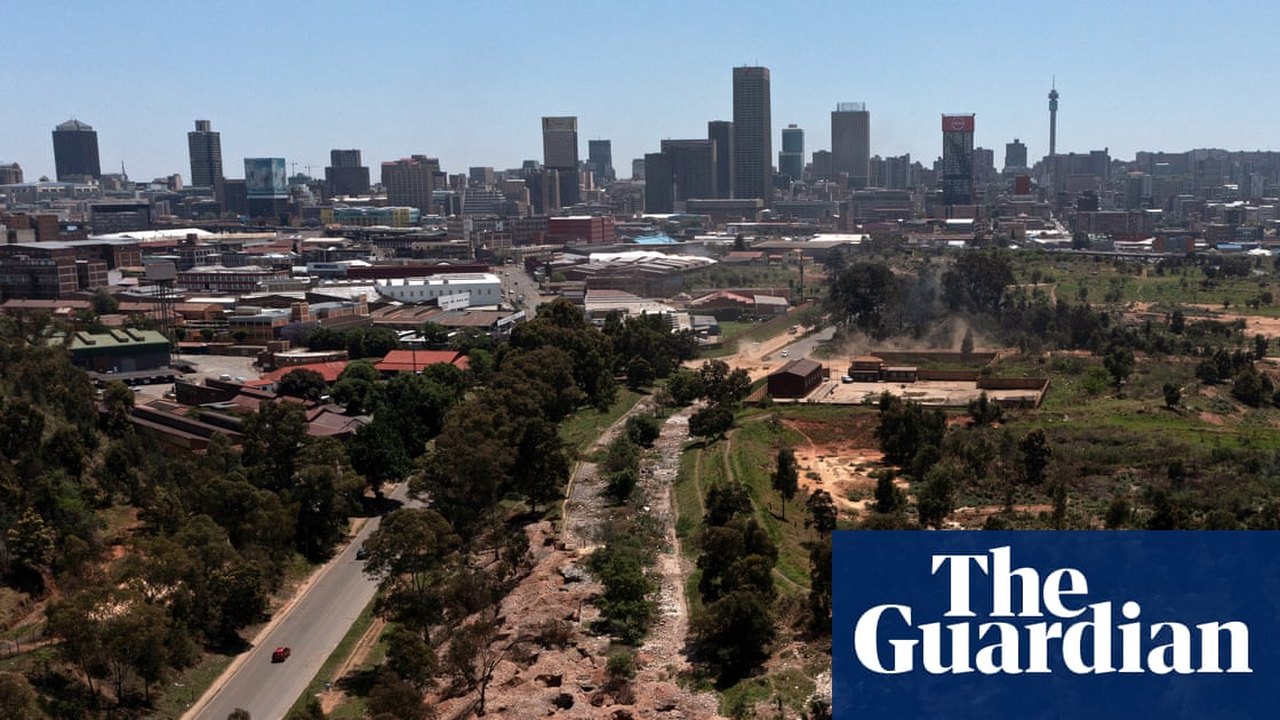
Image: www.theguardian.com — Creative Commons
The Expanding Footprint of Illegal Mining
Around the abandoned mine shafts of Roodepoort, west of Johannesburg, the soaring global price of gold has driven a visible increase in informal extraction. Local animal welfare charity Claw (Community Led Animal Welfare) has found itself directly affected as informal miners, known locally as zama zamas—a Zulu term roughly translating to “to take a chance”—dig for gold near its facilities. In mid-October, the charity faced severe water shortages after sharing its municipal-supplied tanks with miners who needed water for panning and processing.
While police regularly announce arrests—such as 71 suspected zama zamas apprehended nationwide over a single week in October—researchers estimate the actual number of illegal miners to be in the tens of thousands. In 2019, a researcher with the Global Initiative against Transnational Organised Crime estimated that roughly 10% of South Africa's gold production, valued at about $1bn, was exported illegally.
Historical Context and Structural Drivers
South Africa's modern economy and the founding of Johannesburg are deeply tied to the 1884 discovery of gold. Although the country was the world's leading gold producer for over a century until 2007, production has shifted as reserves lie increasingly deep underground.
Experts note that several systemic factors continue to fuel illegal mining:
- Persistent poverty and high unemployment rates.
- The high market price of gold.
- Alleged corruption among police and politicians profiting from the trade.
- The failure of mining corporations to fulfill legal obligations to seal abandoned shafts and rehabilitate surrounding land.
According to data shared by Mining Minister Gwede Mantashe in response to a parliamentary question, South Africa had 6,100 derelict and ownerless mines alongside 1,170 unsafe mine openings in 2025. Many of the individuals entering these voids are migrants from neighboring countries, primarily Lesotho, Mozambique, and Zimbabwe.
Debating Responsibility for Sinkholes and Infrastructure Damage
As local elections approach, political figures have pointed to zama zamas as the primary cause of severe surface damage, including major sinkholes. For example, municipal officials recently attributed the collapse of a section of Wemmer Pan Road—once a key artery connecting central Johannesburg to southeastern suburbs—entirely to illegal mining activity.
However, academic experts and researchers dispute the narrative that informal miners bear sole responsibility for the region's deteriorating land stability:
- Dolomitic Rock Instability: Rosalind Morris, an anthropology professor at Columbia University, points out that the porous dolomitic rock south and west of Johannesburg naturally destabilizes when underground water is removed. She notes that formal industrial mining has historically dewatered the area on a massive scale, removing hundreds of millions of gallons daily.
- Gang Violence vs. Labor: While zama zamas are frequently blamed for broader regional violence, researchers like David van Wyk of the Bench Marks Foundation argue that underground workers function as heavily exploited laborers, while armed syndicates control access to shafts and profit from the trade.
Practical Implications and Reader Verification
For readers seeking to understand the ongoing situation surrounding Johannesburg's mining legacy, distinguishing between confirmed facts and contested claims is essential:
- Confirmed Facts: Thousands of derelict, unsealed mine shafts remain across South Africa. The price of gold has driven increased activity among informal miners, and surface subsidence, including sinkholes, poses infrastructure challenges around Johannesburg.
- Uncertain Areas: The exact volume of gold currently extracted by zama zamas remains difficult to quantify comprehensively, and liability for specific structural collapses involves complex interactions between historical industrial dewatering and modern informal excavation.
- How to Verify: Readers can review official parliamentary disclosures from South Africa's Department of Mineral Resources and Energy regarding derelict mine remediation, as well as academic research from organizations such as the Global Initiative against Transnational Organised Crime and the Bench Marks Foundation. Further details and original reporting can be accessed directly through [The Guardian](https://www.theguardian.com/business/2026/oct/30/sinkholes-scarred-land-scapegoats-illegal-gold-mining-johannesburg).
AI-assisted reporting; source claims are attributed and have not been independently verified.
More to read
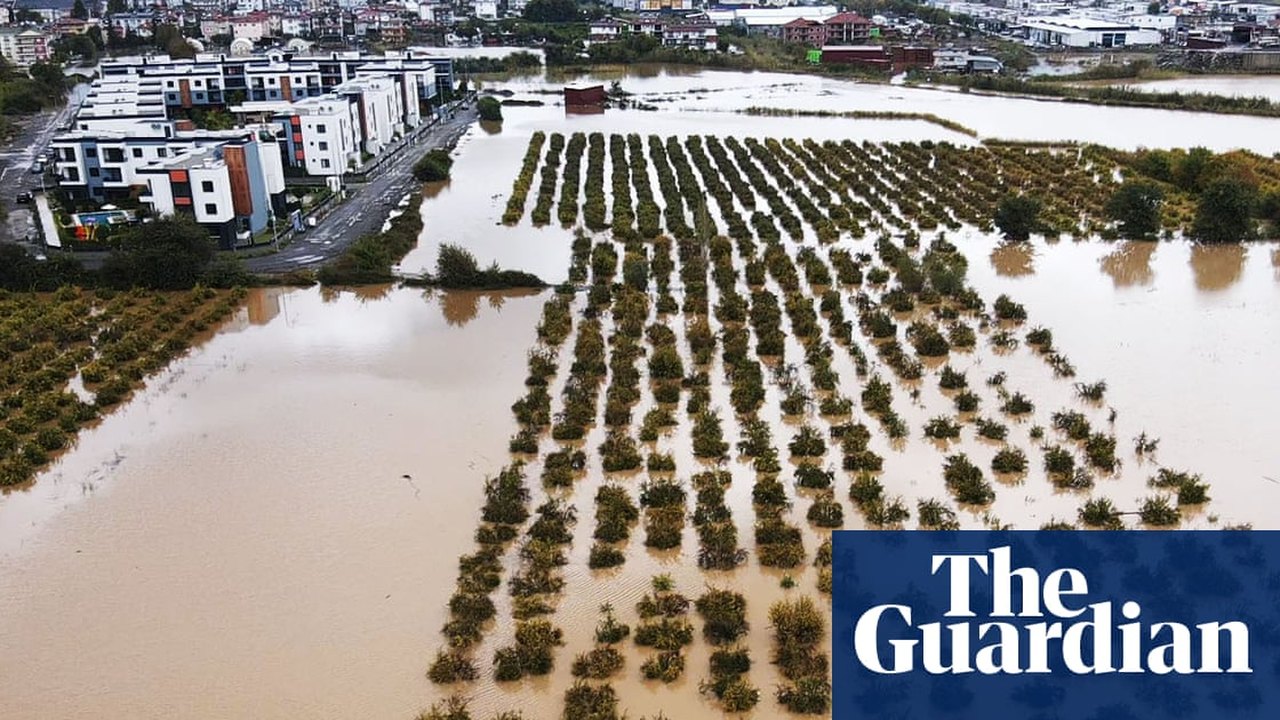 Severe Rainfall and Flood Warnings Issued for Central Greece and Western Turkey
 Restaurant‑Focused COVID‑19 Disaster Loans Turn Into Debt Burdens as Default Rates Surge
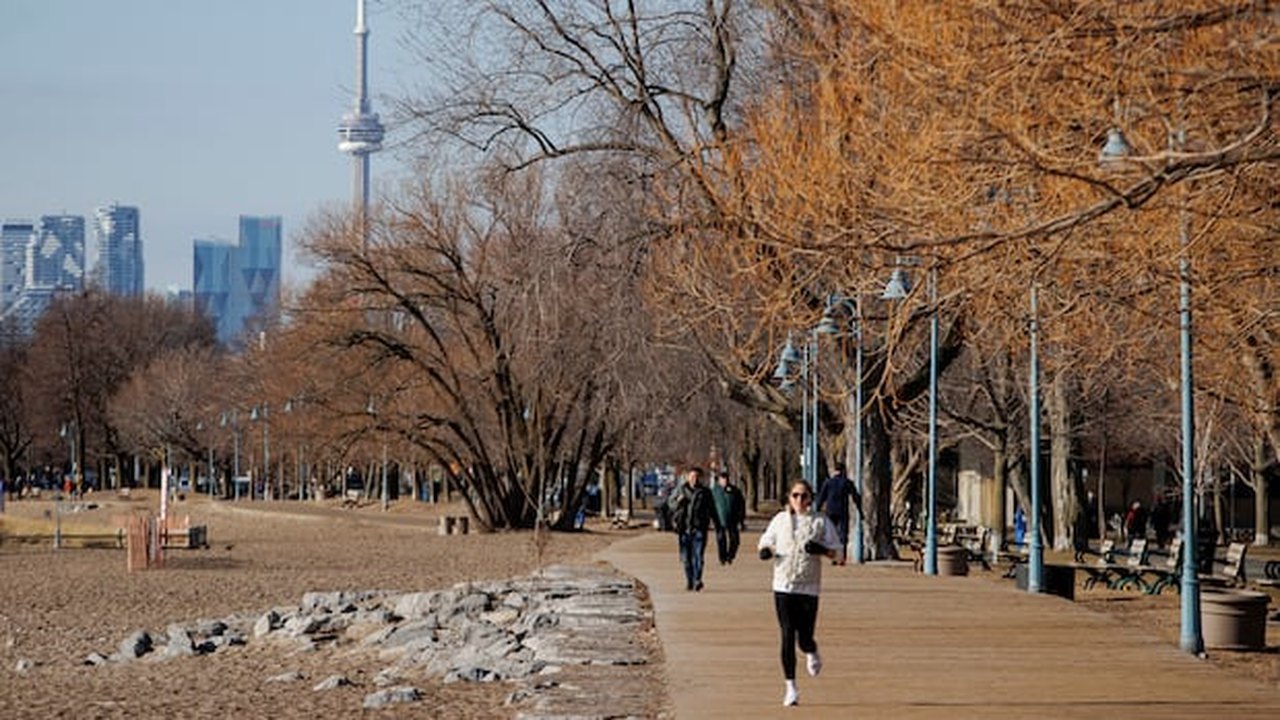 What Canadians Can Expect from the Developing 'Super' El Niño This Winter
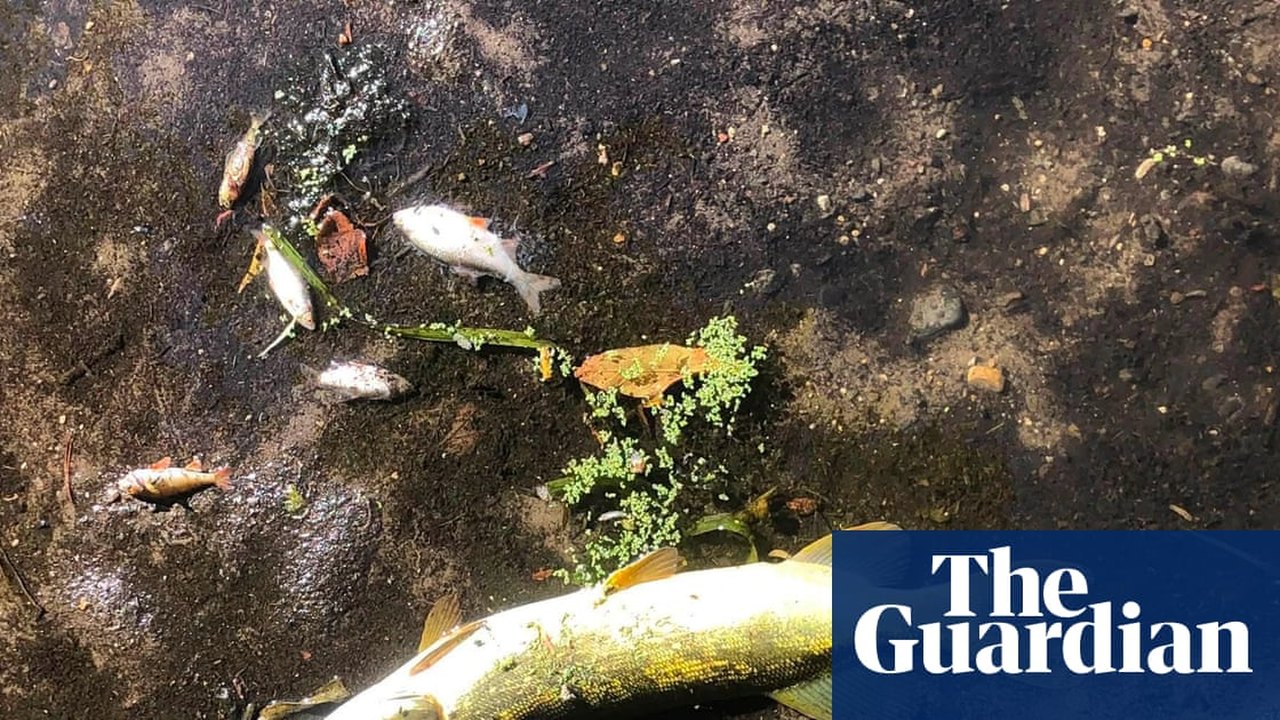 Four Years After Historic UN Biodiversity Deal, Global Targets Face Severe Implementation Gaps
Trending on GlobeWire Daily
Selected from recent coverage and related topics; not live search rankings.
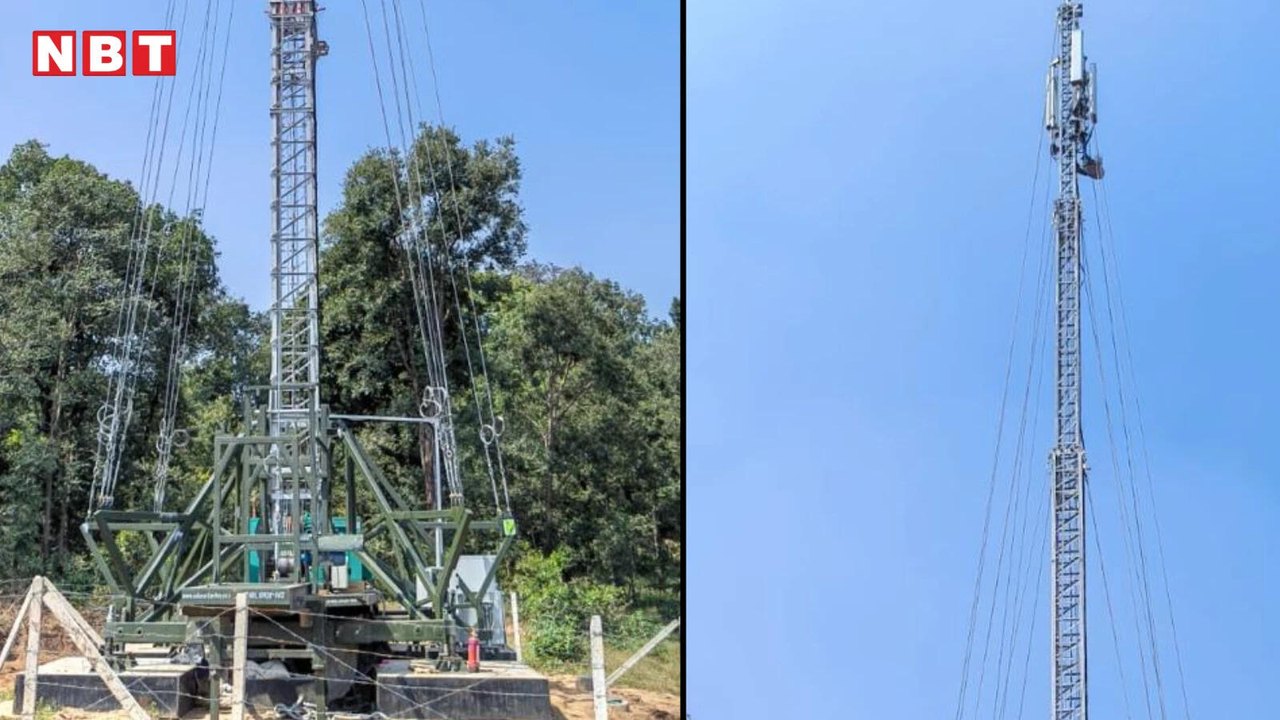 Remote Tribal Village in Singrauli Connects to Mobile Network for the First Time Through Private Initiative
 Uttar Pradesh Police Suspend Badhapur SHO After Obscene Video Shared in Official WhatsApp GroupWhat Canadians Can Expect from the Developing 'Super' El Niño This Winter
 Bijli Vibhag Vacancy 2026: What is Confirmed About Proposed Power Sector Openings
 Bihar Museum Ranks Ninth Globally, Sparking Praise From Anand Mahindra and an Official Invitation From State Leadership
 ISRO Employee Associations Seek Official Clarification Amid Space Sector Privatisation Push