What Canadians Can Expect from the Developing 'Super' El Niño This Winter
· GlobeWire Daily Climate Desk · Source: www.cbc.ca
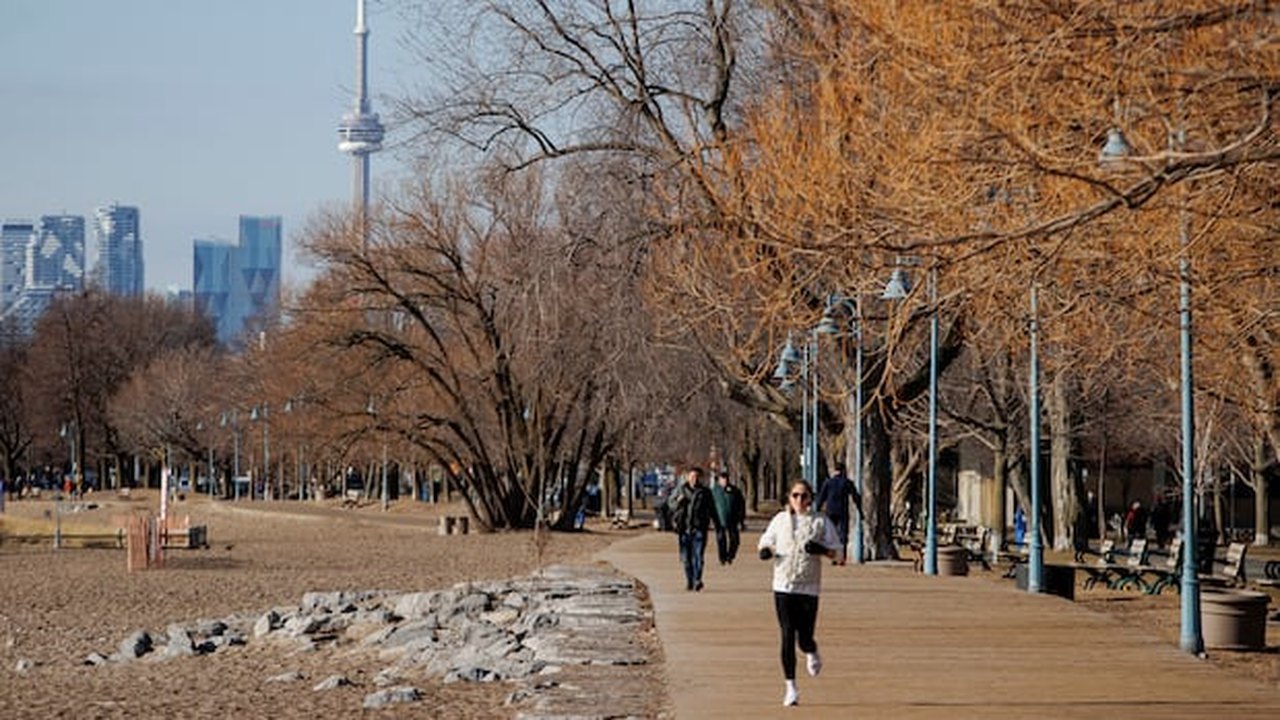
Image: www.cbc.ca — Creative Commons
Understanding the 'Super' El Niño Phenomenon
As a developing "super" El Niño continues to take shape in the central Pacific Ocean, scientists and meteorologists are tracking its anticipated arrival and its subsequent influence on Canadian weather patterns. Characterized by a warming in the central Pacific, current conditions have pushed daily ocean temperatures to nearly 3.5 C above the 1991–2020 average, surpassing previous records set during the 2015 event.
While early forecasts identified the pattern as one of the most powerful on record, experts note that its peak is expected around December, with broader impacts typically intensifying as winter sets in across Canada.
Projected Impacts Across Canada
According to federal and independent climate researchers, the upcoming winter is forecast to feature unusually mild temperatures from coast to coast. Historical data from past strong events—such as those in 1997–1998 and 2015–2016—showed winter temperatures in regions like the Prairies reaching as much as five degrees or more above historical norms.
However, the effects vary significantly by region:
- Atlantic Canada: This region has already experienced measurable effects from the current cycle, notably recording reduced activity in the Atlantic hurricane basin.
- Western Canada: Provinces including British Columbia, Alberta, and Saskatchewan face a drier outlook. Climate modelling groups indicate a heightened probability of reduced precipitation and drier conditions in the northwest U.S. and western Canadian provinces, which carries implications for ongoing drought and fire risk.
- Central and Northern Canada: These areas are projected to experience particularly pronounced warmth, with north-central regions expected to average roughly two degrees warmer than normal.
Practical Implications and Reader Verification
Readers evaluating seasonal forecasts should keep several confirmed details and uncertainties in mind:
- Confirmed Factors: Experts emphasize that a warmer-than-average seasonal outlook does not eliminate day-to-day variability. Cold snaps, individual snowstorms, and fluctuating weekly temperatures will still occur.
- Knowns vs. Unknowns: While global models strongly point toward warmer conditions and reduced western precipitation, local weather events remain subject to standard short-term atmospheric shifts ("weather isn't going away").
- How to Verify: Readers can review detailed climate analysis, meteorological updates, and official reporting directly through the original coverage published by CBC News at [CBC El Niño Winter Report](https://www.cbc.ca/news/science/el-nino-winter-9.7398251).
AI-assisted reporting; source claims are attributed and have not been independently verified.
More to read
 Sinkholes, Scarred Land, and the Complex Realities of Illegal Gold Mining in Johannesburg
 Restaurant‑Focused COVID‑19 Disaster Loans Turn Into Debt Burdens as Default Rates Surge
 Four Years After Historic UN Biodiversity Deal, Global Targets Face Severe Implementation Gaps
 First Dog on the Moon Publishes Cartoon Celebrating Small Acts of Animal Kindness
Trending on GlobeWire Daily
Selected from recent coverage and related topics; not live search rankings.
 Hyderabad Consumer Commission orders Rs 2 lakh payout after fungus found in Rs 230 organic butter pack, refers case to FSSAI
 Uttar Pradesh Police Suspend Badhapur SHO After Obscene Video Shared in Official WhatsApp Group
 Exploring Official MyJio App Features and Limits of Promotional Data Codes
 Bihar Museum Ranks Ninth Globally, Sparking Praise From Anand Mahindra and an Official Invitation From State Leadership
 ISRO Employee Associations Seek Official Clarification Amid Space Sector Privatisation Push
 State Bank of India Fixed Deposit Interest Rates: Overview of Tenures and Returns for General and Senior Citizens