In Juneau, Food Security Relies on Community Sharing and Innovation
· GlobeWire Daily Climate Desk · Source: www.theguardian.com
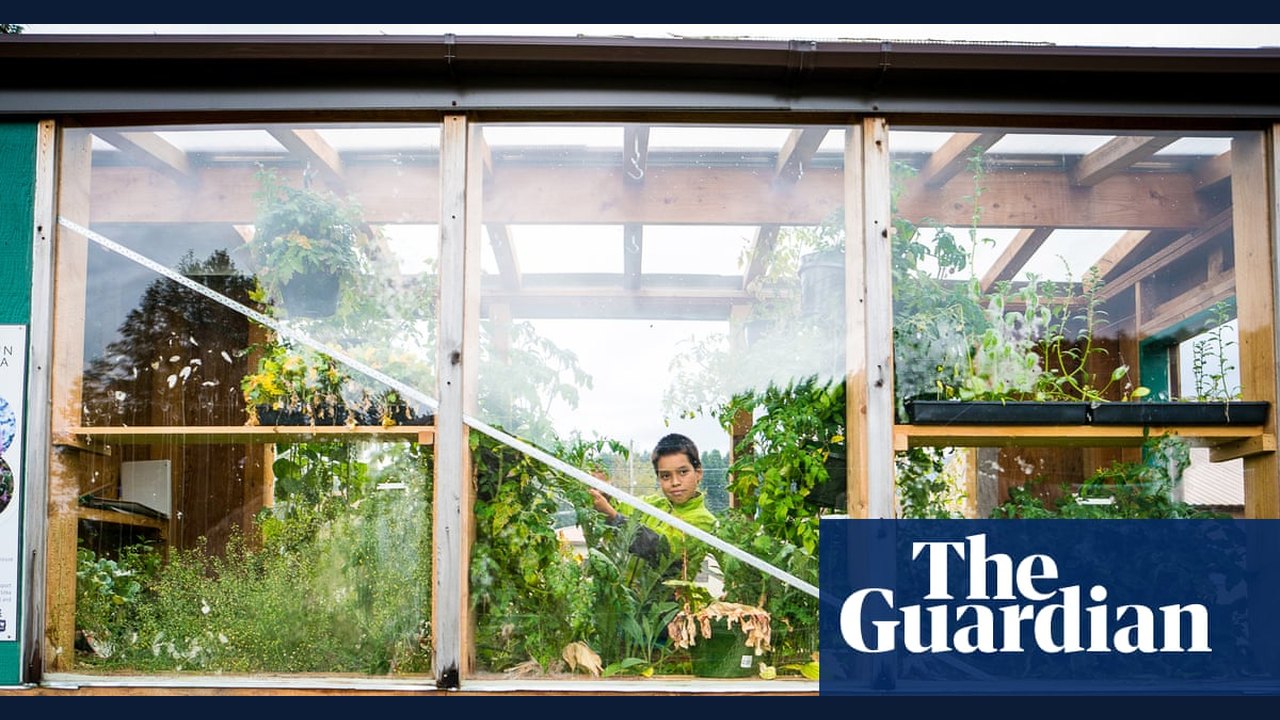
Image: the Guardian · Photo source · Resized and letterboxed to 16:9; no AI generation
The Geography of Supply
Juneau, the capital of Alaska, is geographically isolated. With a population of 35,000, it lacks road connections to the rest of the state, forcing a heavy reliance on water and air transport for food imports. Because arable land is limited and the growing season is short, residents utilize a mix of commercial farming, hydroponics, and traditional subsistence harvesting.
Subsistence and Community Sharing
While official reports often cite that 95% of food in Alaska is imported, experts note this figure fails to account for the robust, non-transactional food economy. Subsistence hunting, fishing, and gathering are foundational to the region.
- Cultural Roots: Tlingit traditions emphasize collective survival; food is frequently shared with elders, extended family, and the community rather than stored for individual use.
- Modern Infrastructure: Initiatives like the Sealaska Heritage Institute’s kitchen provide spaces for processing harvests, acknowledging traditional methods alongside modern science.
Farming in a Challenging Climate
Local producers face significant hurdles, including acidic soil and steep terrain.
- Small-Scale Farming: Local farmers like Joe Orsi focus on high-yield, climate-resilient crops despite modest financial returns.
- Hydroponics and Retail: Operations like Juneau Greens utilize subscription models to provide fresh, local produce to residents, bridging the gap between small farms and retail demand.
- Educational Initiatives: School programs and mobile greenhouses like "Moby" are increasing local food literacy and infrastructure across the region.
Verification
For further details on Alaskan food systems, the Ecotrust "Salt and Soil" initiative and the Sealaska Heritage Institute provide ongoing information regarding regional food distribution and traditional knowledge.
AI-assisted reporting; source claims are attributed and have not been independently verified.
More to read
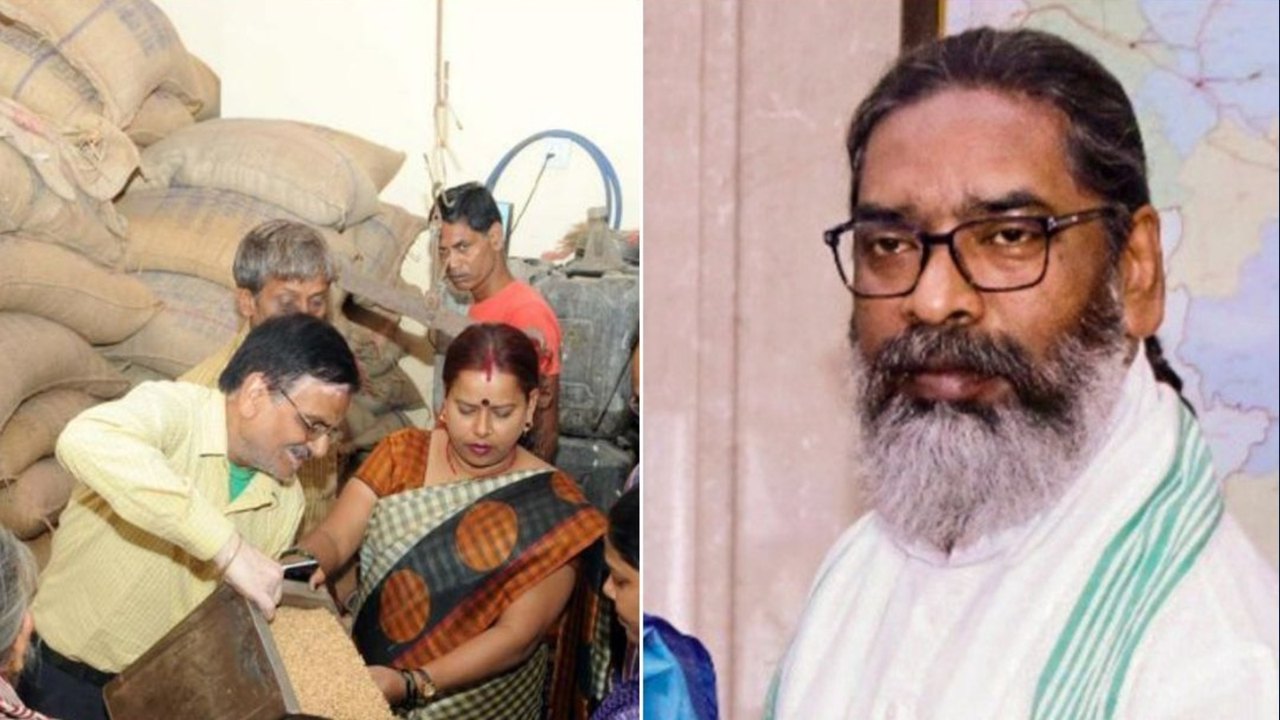 Jharkhand Government Plans to Distribute 19 Lakh Metric Tonnes of Rations for Food Security
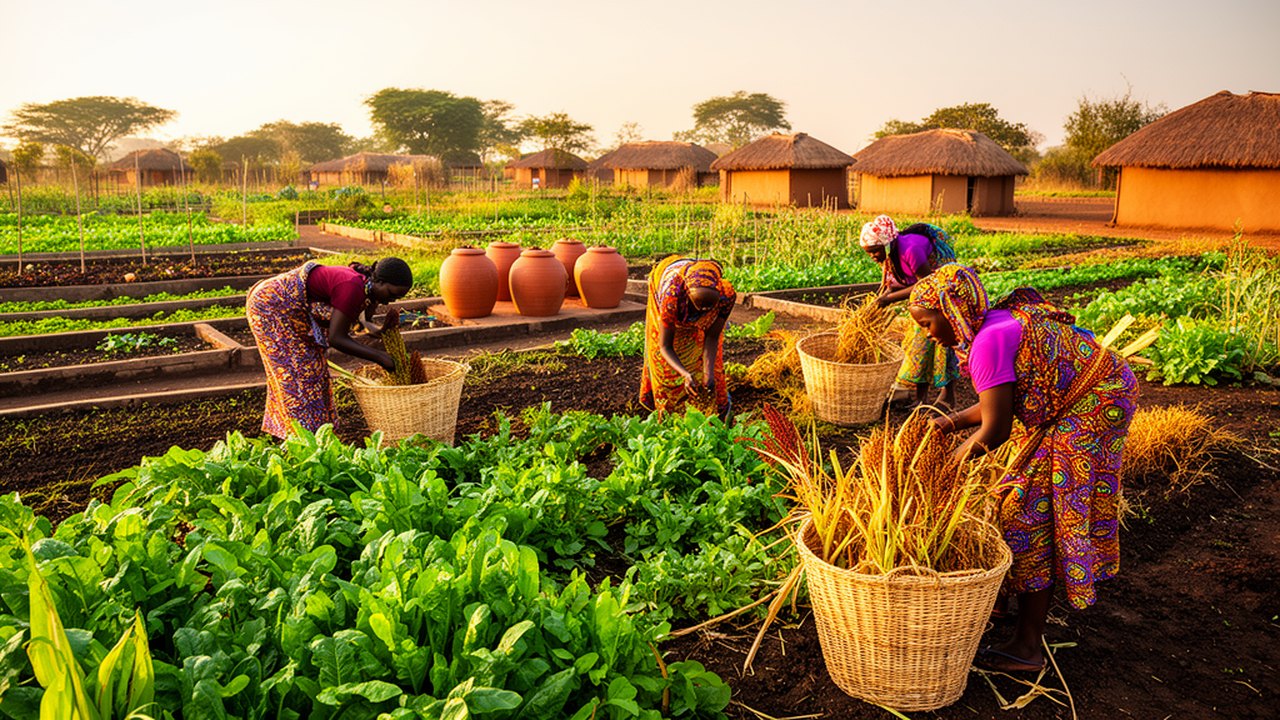 Study Finds Women’s Agricultural Empowerment Strengthens Food Security in South Sudan
 Met Office Science Supports UK Farming and Food Chain Adaptation to Climate Change
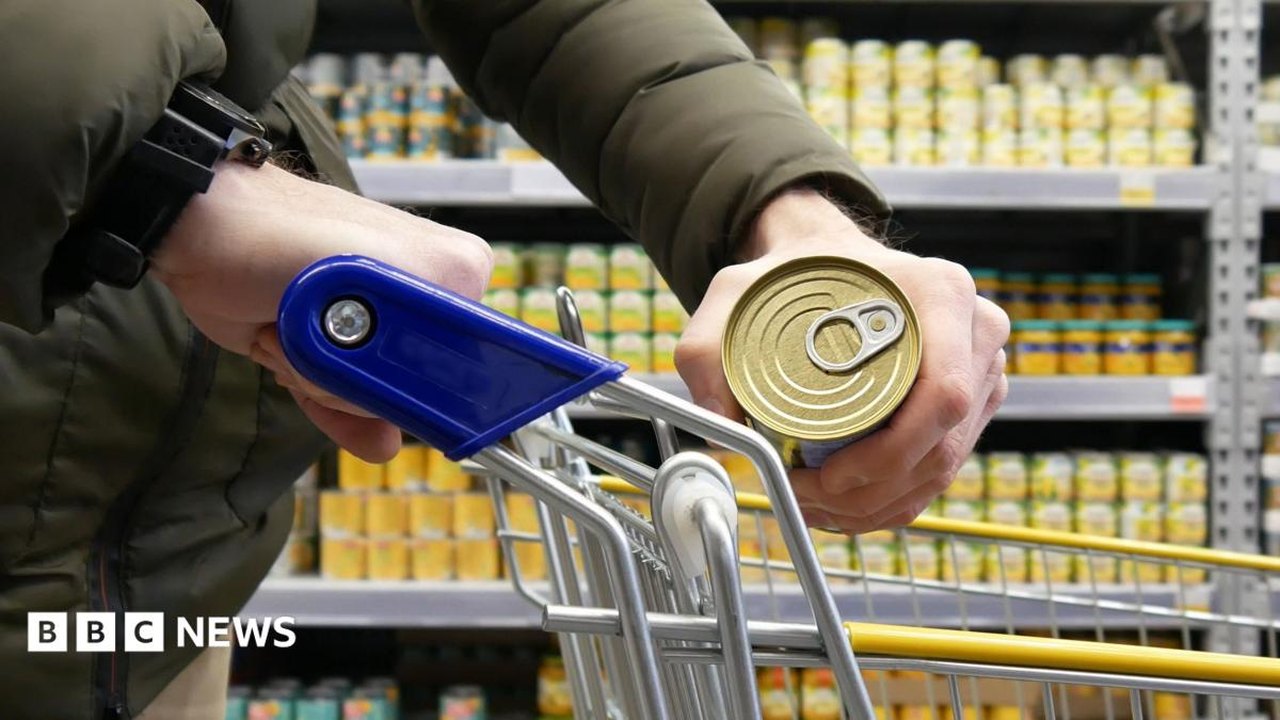 Tinned Food and Long-Life Milk Boost Retail Sales After Government Campaign