Slovenia Mourns Disappearance of Triglav Glacier After Record-Breaking Summer
· GlobeWire Daily Climate Desk · Source: www.theguardian.com
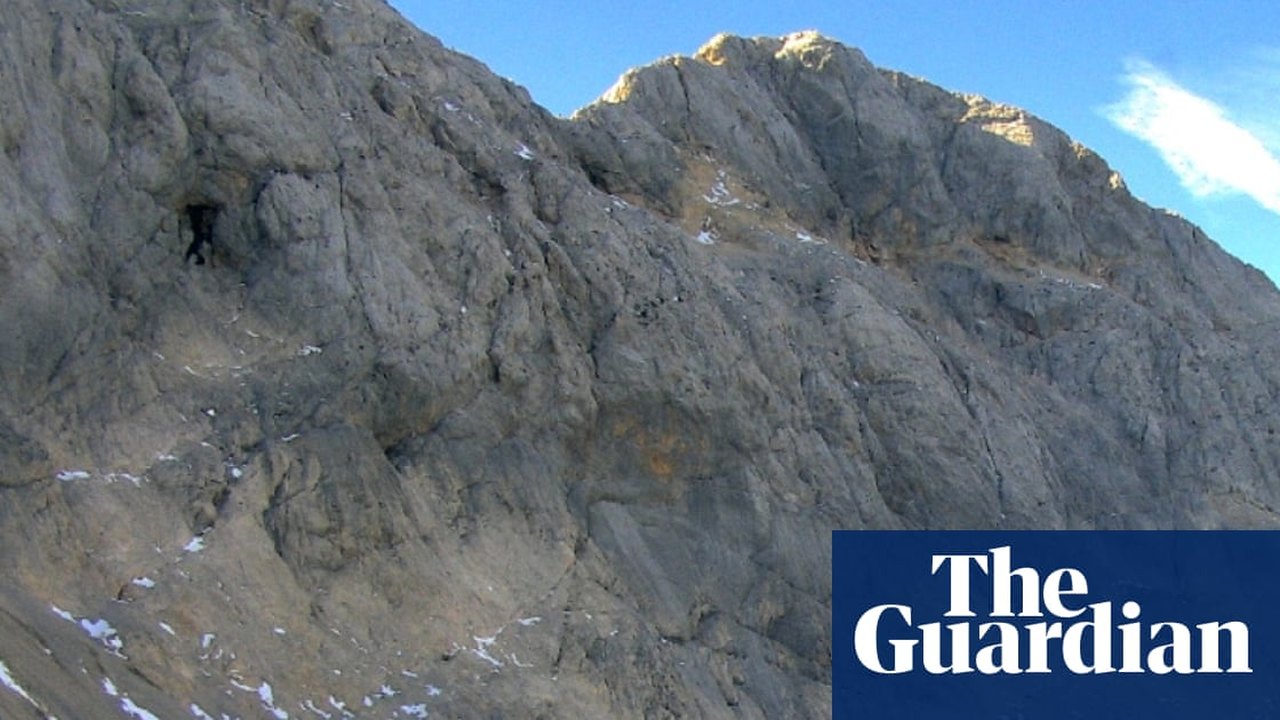
Image: www.theguardian.com — Creative Commons
A Symbolic Loss for Slovenia
Slovenia has officially lost the Triglav glacier, the remaining ice mass on the nation’s highest peak. Long considered a cornerstone of Slovenian national identity and a vital symbol for the country’s mountaineering culture, the glacier’s disappearance follows a summer of record-breaking heat across Europe. Scientists have confirmed that recent photographic evidence from the mountainside shows only exposed rock, marking the end of the glacier that once spanned approximately 40 hectares in the mid-1800s.
Decades of Rapid Recession
The decline of the Triglav glacier has been accelerating for decades. Between 1983 and 2003, the ice mass lost 93% of its surface area, shrinking to less than a single hectare. Despite expectations that it would vanish much sooner, the glacier defied predictions by clinging to the mountain for another 20 years. However, the last five years—which include Europe’s three hottest years on record—proved insurmountable. Matija Zorn, director of the Anton Melik Geographical Institute, noted that researchers were consistently shocked by the annual rate of ice loss, describing a scenario where areas previously covered by five meters of ice became bare rock in a single year.
Climate Indicators and Environmental Impact
Glaciologists view the death of the Triglav glacier not only as a cultural loss but as the disappearance of a critical indicator of climate change. As European heatwaves, intensified by carbon pollution, continue to transform alpine landscapes into "moonlike" rock deserts, the loss of this glacier highlights the broader crisis facing the region. While the main glacier has retreated entirely, scientists have discovered ice within newly exposed cave shafts beneath Triglav. Meanwhile, a secondary glacier located on the Skuta mountain remains, though it too is thinning rapidly. Because it sits in a more shaded area, researchers believe the Skuta ice may persist for a few more years.
What This Means for Residents and Researchers
The disappearance of the glacier serves as a stark reminder of the accelerating pace of climate change in Europe, which is currently the world’s fastest-warming continent. Beyond the environmental impact, the loss resonates deeply with the Slovenian public, many of whom regard climbing the peak as a rite of passage. Experts emphasize that the changing landscape is evidence of the irreversible shifts occurring in nature, even if the public response has been slower than the rate of environmental collapse.
Readers can find further information and context regarding climate impacts on European glaciers through the original report provided by The Guardian: https://www.theguardian.com/environment/2026/oct/27/slovenia-mourns-loss-glacier-highest-peak-scorching-summer.
AI-assisted reporting; source claims are attributed and have not been independently verified.
More to read
 Mexican Government Announces Industrial Reforms Following Investigations Into Toxic Waste
 New Federal Rule Reinstates Bear Baiting Practices on Alaska Public Lands
 Trump Administration Moves to Terminate Federal Methane Emission Regulations
 MPs Criticize Sizewell C Funding as 'Terrible Deal' for Taxpayers
Trending on GlobeWire Daily
Selected from recent coverage and related topics; not live search rankings.
 Campaigners Warn Government Over Cumulative Climate Impact of Pending Policy Decisions
 India’s Oscar Entry ‘Gondhal’ Debuts Global Trailer as Awards Campaign Intensifies
 Discord Public Server Messages to Appear in Google Search Results
 Discord to Index Public Server Conversations on Google Search
 UK Government Divided Over Rosebank Oilfield Approval
 Anthropic IPO Highlights Risks of AI Data Center Natural Gas Reliance