Mexican Government Announces Industrial Reforms Following Investigations Into Toxic Waste
· GlobeWire Daily Climate Desk · Source: www.theguardian.com
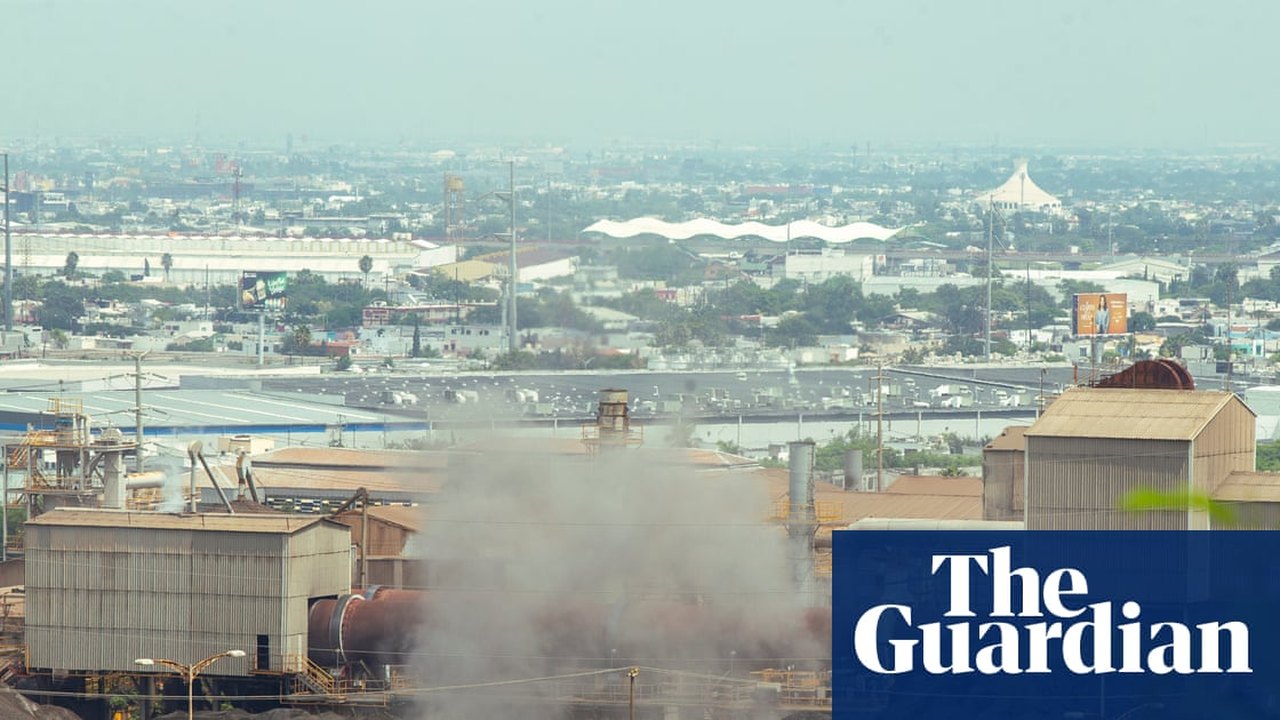
Image: www.theguardian.com — Creative Commons
Government Response to Industrial Pollution
The Mexican government has launched a new set of environmental enforcement measures following investigative reports by the Guardian and Quinto Elemento Lab. The investigations uncovered high levels of heavy-metal contamination, including lead, cadmium, and arsenic, in neighborhoods surrounding the Zinc Nacional factory in Monterrey—a facility that processes hazardous waste imported from the United States steel industry.
Enforcement and Oversight Measures
In response, the federal environmental protection agency (Profepa) has imposed $4.8 million in fines against Zinc Nacional. The company is now subject to 24 corrective measures, including the relocation of specific operations away from residential zones, the construction of updated water treatment and containment facilities, and a mandate to reforest 12 acres of land. Profepa officials described this agreement as a watershed moment for regulatory compliance.
Beyond individual enforcement, the government is initiating the rollout of a nationwide atmospheric monitoring network, which will be the first of its kind in Latin America. Designed to track industrial emissions in real-time, the system will be installed over the next three years, with initial implementation in the Monterrey industrial sector. Additionally, the Ministry of Environment (Semarnat) has begun updating soil and air contamination standards, some of which have remained unchanged for decades. Plans include a 50% reduction in allowable particulate matter emissions for industrial plants.
Community Concerns and Legislative Action
While officials framed the actions as a significant shift in environmental policy, local residents and activists expressed skepticism regarding the scope of the reforms. Community members noted that the government’s focus remains primarily on the factory's internal boundaries, failing to address the long-term health impacts already suffered by residents living near the site. Experts and activists, including members of the 'Group of 6' and toxicology researcher Martín Soto Jiménez, emphasized that the success of the new monitoring network will depend on full transparency and public access to real-time data.
Legislative momentum is also building. Federal Senator Waldo Fernández announced plans to introduce legislation in February intended to limit the import of toxic waste and mandate stricter oversight for facilities that process materials containing heavy metals. Meanwhile, citizen-led groups continue to pursue legal avenues to demand stricter adherence to international air quality standards.
Verification and Further Reading
Zinc Nacional maintains that its current emissions are within regulatory parameters and attributes historical site contamination to a previous foundry operator. For further details on the investigation, government statements, and environmental findings, readers may consult the official report via The Guardian: https://www.theguardian.com/us-news/2026/feb/01/mexico-moves-to-combat-pollution-following-guardian-investigations
AI-assisted reporting; source claims are attributed and have not been independently verified.
More to read
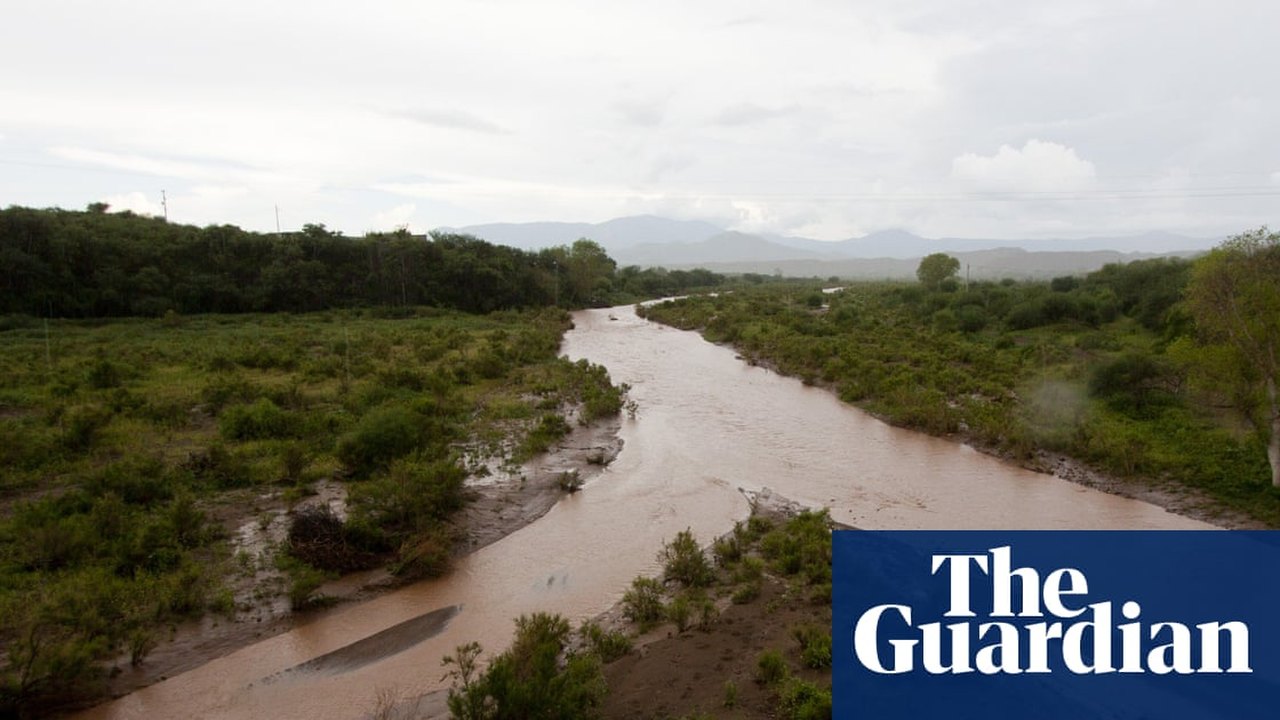 UN Rapporteur Warns Mexico Is Becoming a ‘Garbage Sink’ for U.S. Toxic Waste, Citing a Growing Health Crisis
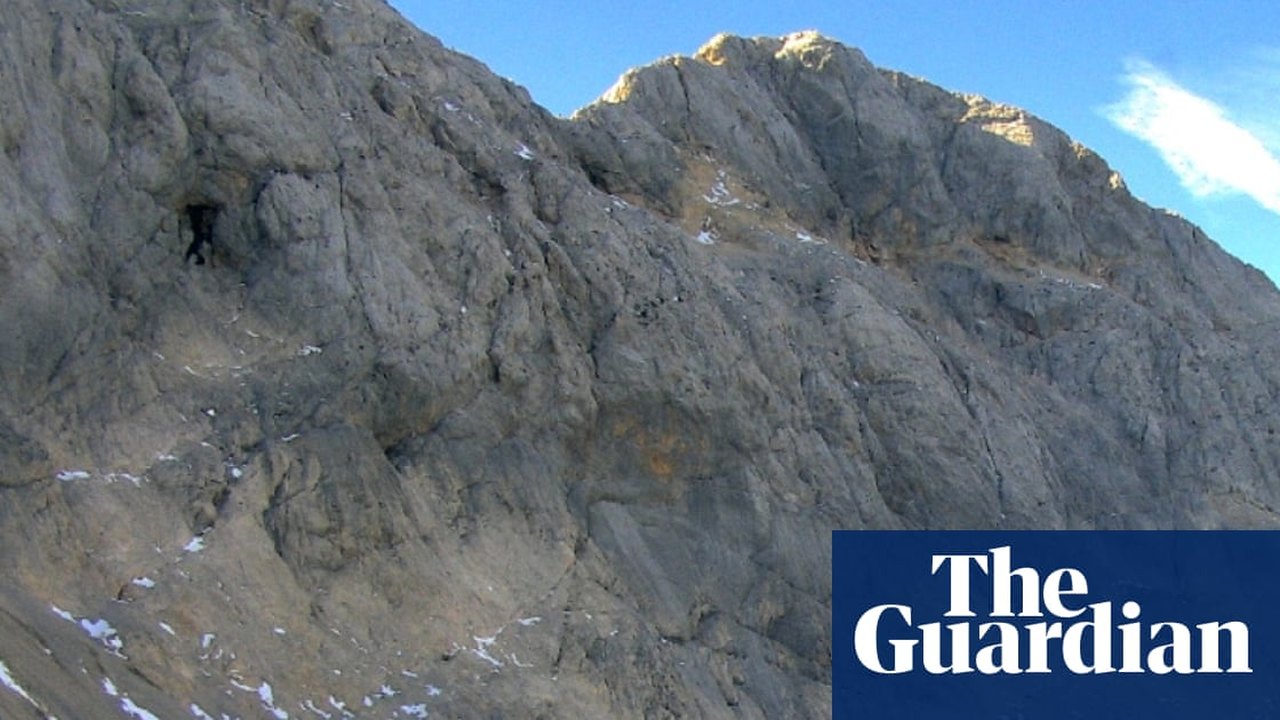 Slovenia Mourns Disappearance of Triglav Glacier After Record-Breaking Summer
 New Federal Rule Reinstates Bear Baiting Practices on Alaska Public Lands
 Trump Administration Moves to Terminate Federal Methane Emission Regulations
Trending on GlobeWire Daily
Selected from recent coverage and related topics; not live search rankings.
 Hyundai Set to Expand Indian SUV Lineup with Upcoming Bayon Launch
 Campaigners Warn Government Over Cumulative Climate Impact of Pending Policy Decisions
 Barcelona Fined Following Atletico Madrid Complaint Over Julian Alvarez Approach
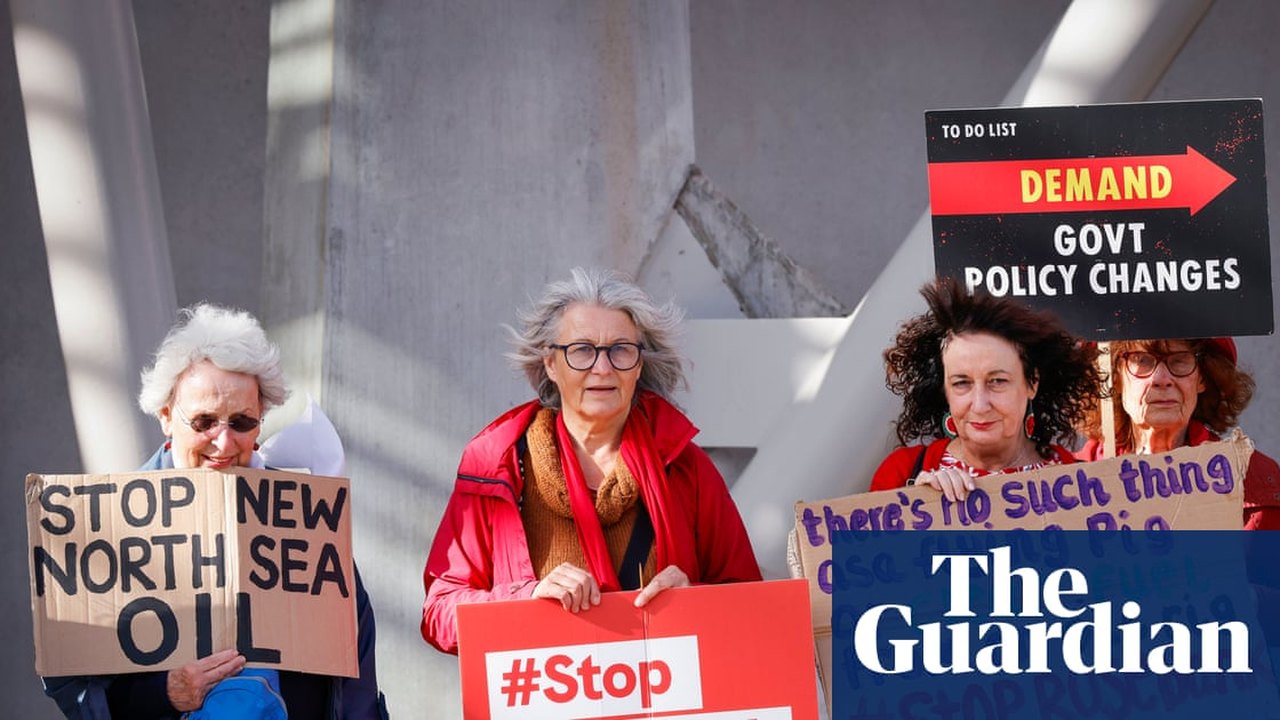 UK Government Divided Over Rosebank Oilfield Approval
 Dune: Part Three Trailer Reveals Significant Departures From Frank Herbert’s Messiah
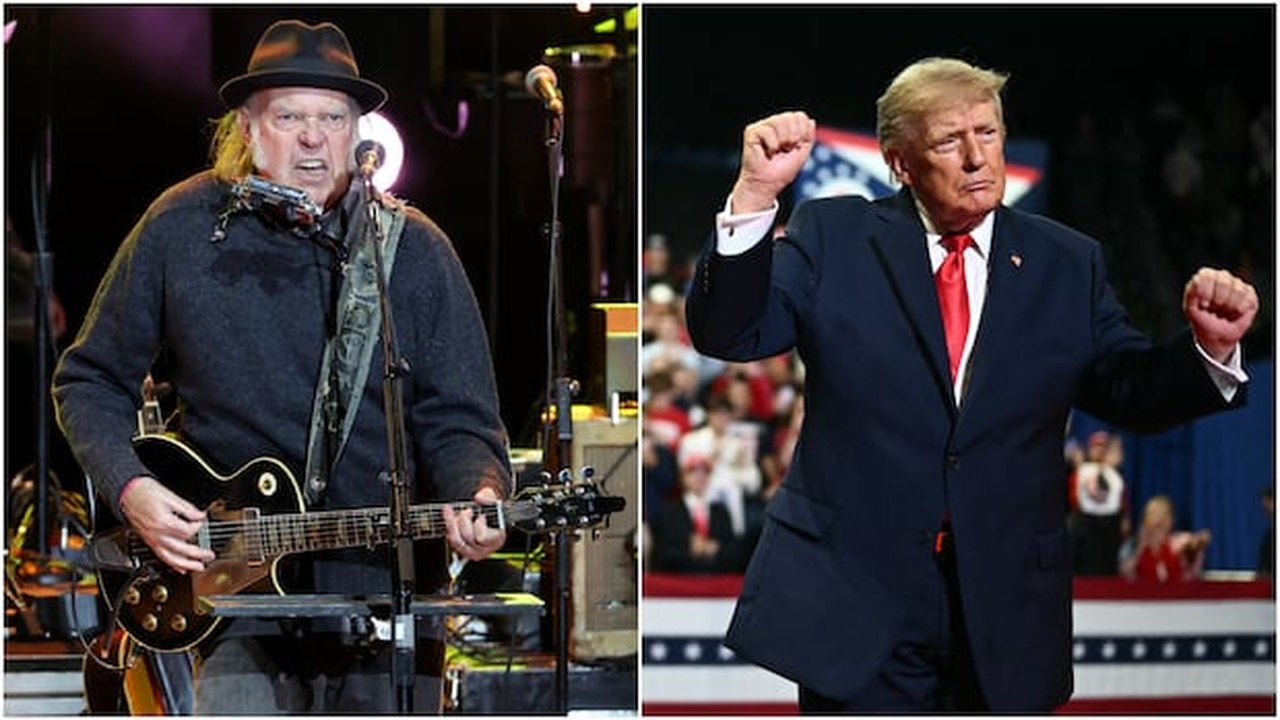 Neil Young Files Copyright Infringement Lawsuit Against Trump Campaign Over Song Usage