UN Rapporteur Warns Mexico Is Becoming a ‘Garbage Sink’ for U.S. Toxic Waste, Citing a Growing Health Crisis
· GlobeWire Daily Climate Desk · Source: www.theguardian.com
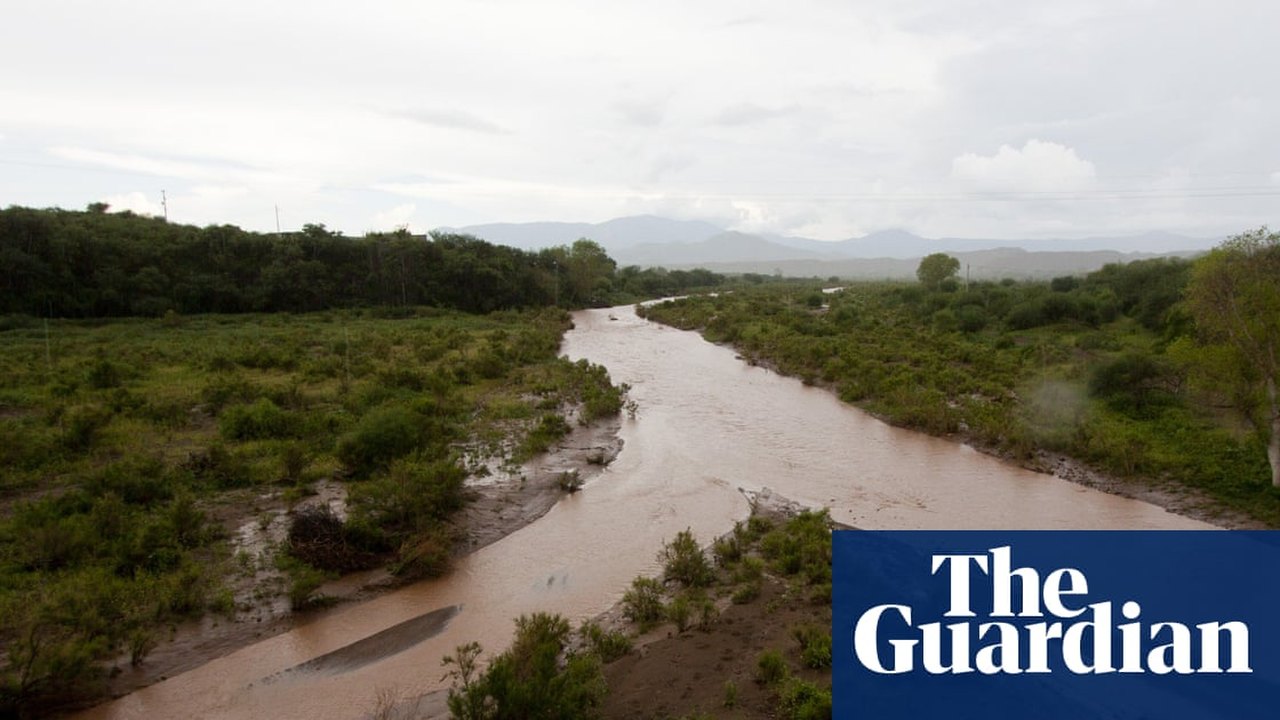
Image: www.theguardian.com — Creative Commons
UN expert highlights a “toxic crisis” in Mexico
Marcos Orellana, the United Nations special rapporteur on toxics and human rights, has warned that Mexico is facing a “toxic crisis” as lax environmental standards and weak oversight allow hazardous waste – much of it imported from the United States – to accumulate in communities across the country. In an 11‑day investigative mission last month, Orellana documented more than 1,000 contaminated sites listed in Mexico’s National Inventory of Contaminated Sites, many of which he described as “sacrifice zones” where serious health problems have become commonplace.
Findings from the field mission
During his visit Orellana observed several types of pollution:
• **Industrial discharge** – factories in Puebla’s Atoyac River basin were found dumping hazardous waste directly into the river.
• **Agricultural and livestock contamination** – large‑scale pig farms on the Yucatán Peninsula were polluting drinking‑water sources.
• **Legacy mining spill** – a decade‑old chemical spill continues to affect communities along the Sonora River.
• **Urban industrial corridor** – in Tula, Hidalgo, steel, cement and petrochemical plants operate alongside a river already burdened with industrial waste and untreated sewage from Mexico City.
He also noted the presence of microscopic plastic particles in rivers such as the Tecate (Baja California), the Atoyac (Puebla) and the Jamapa (Veracruz), linking these findings to the influx of U.S. plastic waste.
Voices from affected communities
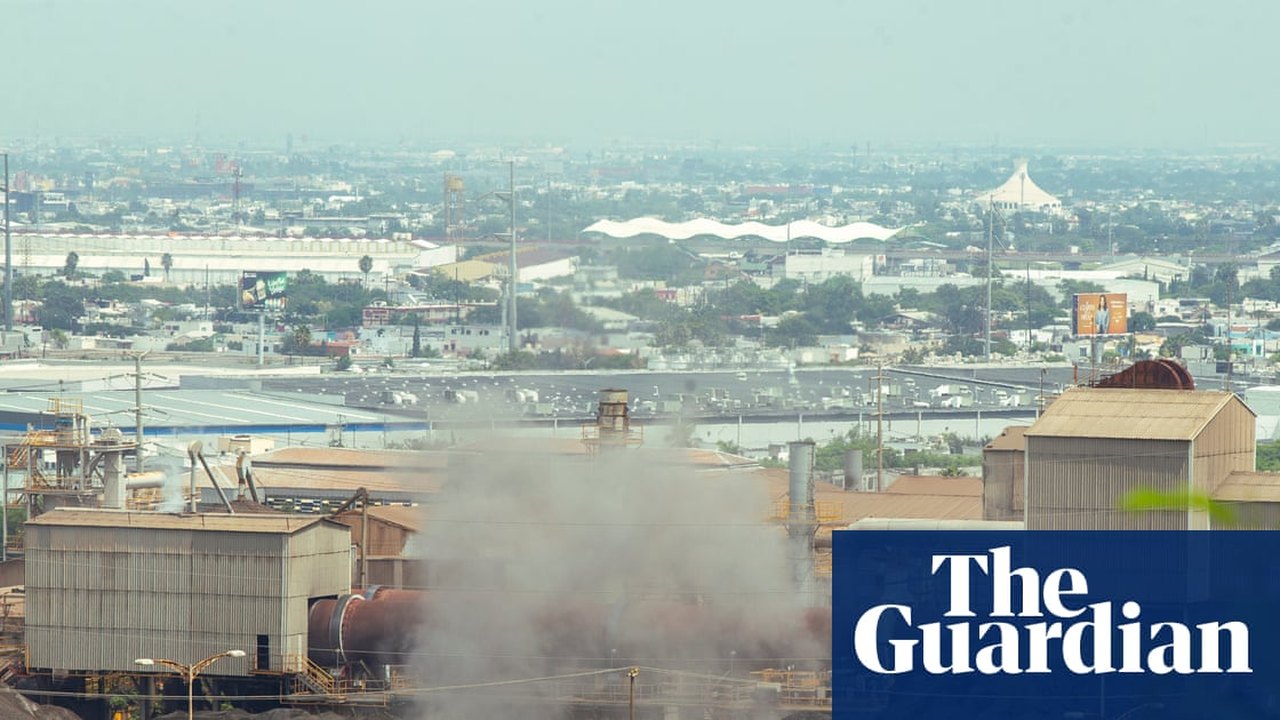
Residents in Monterrey – a major manufacturing hub for U.S. markets – echoed Orellana’s concerns. María Enríquez, a mother and co‑founder of the environmental group Comité Ecológico Integral, said the city’s air quality has deteriorated to the point where “we have learned to live sick, especially with respiratory illnesses.”
Guadalupe Rodríguez, director of a network of childcare centers in Monterrey, reported that “families consider it normal for children to have constant coughing,” and called on the government to enforce Mexico’s constitutional guarantee of a healthy environment.
Government response and regulatory changes
The Mexican government, which invited Orellana’s mission, has acknowledged that existing pollution standards are outdated. Mariana Boy Tamborrell, federal attorney for environmental protection, announced a “regulatory turning point” that will require polluting facilities to remediate damage and will roll out a new air‑monitoring system in the Monterrey industrial corridor to pinpoint emissions sources.
Senator Waldo Fernández has introduced legislation to tighten controls on waste imports, proposing a ban on waste that would cause greater environmental harm in Mexico than in its country of origin. The proposal aligns with Orellana’s suggestion that Mexico adopt import restrictions similar to those used by other nations to avoid becoming a dumping ground.
Trade and policy context
Orellana warned that the upcoming review of the United States‑Mexico‑Canada Agreement (USMCA) presents an opportunity to embed stronger environmental safeguards. He cautioned that without such measures, “economic pressure will worsen the toxic crisis.”
Practical implications for residents and policymakers
• **Health monitoring** – Communities near identified contaminated sites should seek regular health screenings, especially for respiratory conditions, cancers, and reproductive issues.
• **Waste‑import tracking** – Greater transparency on the destination of U.S. hazardous waste shipments could help authorities intervene before illegal dumping occurs.
• **Industrial accountability** – The new air‑monitoring system could enable targeted enforcement actions, reducing the “it wasn’t me” defense often used by polluters.
• **Comparative policy** – Countries such as Canada and several EU members have already imposed bans or strict quotas on hazardous waste imports, providing a model for Mexico to consider.
What remains uncertain
• **Exact volume of waste** – While government records indicate “hundreds of thousands of tons” of hazardous waste are shipped from the U.S. to Mexico annually, precise figures for each waste type are not publicly detailed.
• **Long‑term health outcomes** – Orellana’s report links exposure to increased disease rates, but comprehensive epidemiological studies are still needed to quantify the impact.
• **Implementation timeline** – The speed at which new regulations, monitoring systems, and waste‑import bans will be enacted remains unclear.
How readers can verify the information
All statements and data in this article are drawn from the UN rapporteur’s preliminary report and the interview published by *The Guardian* on 7 April 2026. The full article can be accessed at: https://www.theguardian.com/world/2026/apr/07/mexico-us-toxic-waste-un-special-rapporteur. Readers are encouraged to consult the original source for the complete set of quotations and the rapporteur’s detailed findings.
--- *This report was prepared using publicly available information and does not contain original reporting or unpublished interviews.*
AI-assisted reporting; source claims are attributed and have not been independently verified.
More to read
 Mexican Government Announces Industrial Reforms Following Investigations Into Toxic Waste
 Slovenia Mourns Disappearance of Triglav Glacier After Record-Breaking Summer
 New Federal Rule Reinstates Bear Baiting Practices on Alaska Public Lands
 Trump Administration Moves to Terminate Federal Methane Emission Regulations
Trending on GlobeWire Daily
Selected from recent coverage and related topics; not live search rankings.
 Hyundai Set to Expand Indian SUV Lineup with Upcoming Bayon Launch
 Campaigners Warn Government Over Cumulative Climate Impact of Pending Policy Decisions
 Barcelona Fined Following Atletico Madrid Complaint Over Julian Alvarez Approach
 UK Government Divided Over Rosebank Oilfield Approval
 Dune: Part Three Trailer Reveals Significant Departures From Frank Herbert’s Messiah
 Neil Young Files Copyright Infringement Lawsuit Against Trump Campaign Over Song Usage