Ten Years After the Paris Agreement, Are Global Climate Talks Getting Anywhere?
· GlobeWire Daily Climate Desk · Source: www.theguardian.com
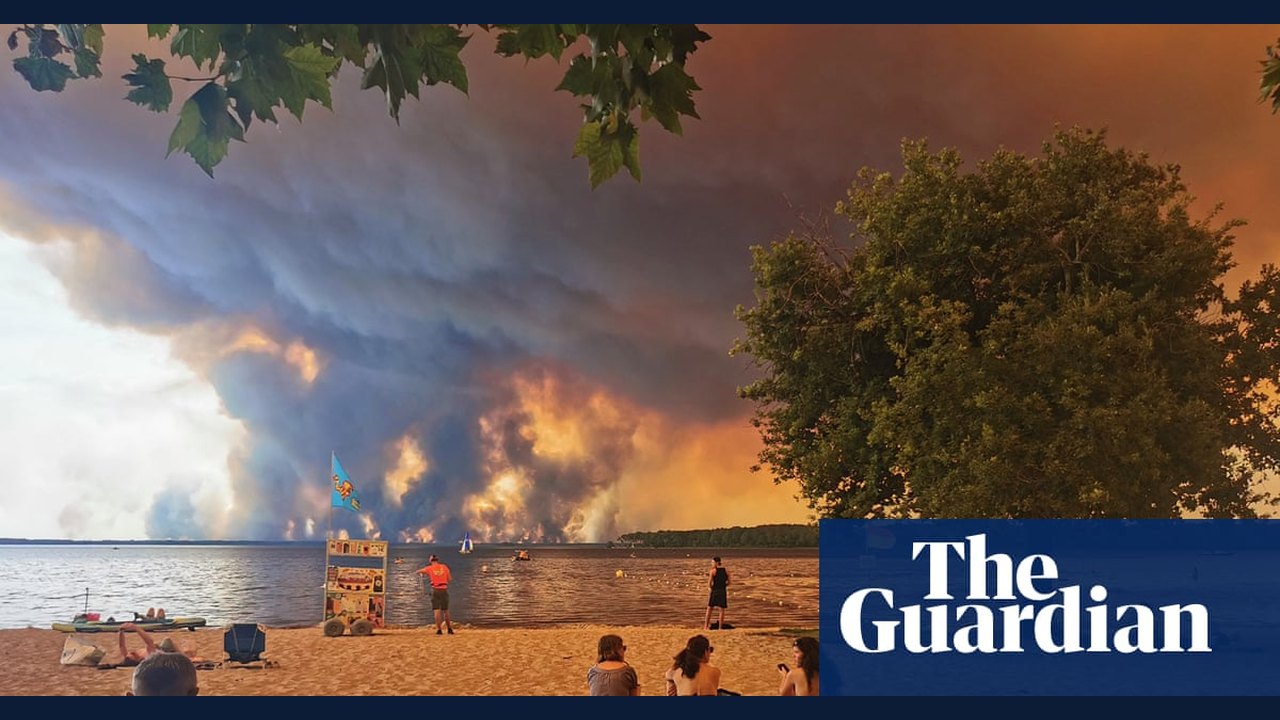
Image: the Guardian · Photo source · Resized and letterboxed to 16:9; no AI generation
As international climate talks continue, experts and observers debate the ongoing effectiveness of the Paris Agreement a decade after its creation, examining both systemic bureaucratic hurdles and tangible real-world transitions in clean energy.
The State of Climate Negotiations
Ten years after the landmark Paris agreement was signed in 2015, the international community faces significant challenges. While governments repeatedly pledged to limit global heating to 1.5C above pre-industrial levels, global temperatures have exceeded that threshold for consecutive years, with UN estimates projecting eventual warming between 1.7C and 1.8C. Critics point to convoluted negotiation processes, consensus rules that allow obstruction by petrostates, and the withdrawal of major economies like the United States under President Donald Trump as primary weaknesses.
Furthermore, researchers note that global heating is accelerating at roughly 0.4C per decade. Prominent figures, including Johan Rockström of the Potsdam Institute for Climate Impact Research, describe the trajectory toward potential warming of 2.6C to 3.0C as a global failure within the framework of the agreement.
Real-World Progress and Grassroots Action
Despite institutional shortcomings, supporters argue that the Paris agreement serves as a vital moral compass, driving substantial transformations on the ground. Key developments include:
- Renewable Energy Adoption: Rooftop solar panels have surged globally, providing roughly a quarter of electricity in Pakistan, while cheap electric vehicles from China comprise over 40% of car sales in Vietnam.
- Electrification: Energy policy experts estimate that shifting end-use sectors from fossil fuels to electricity could significantly improve efficiency, potentially halving total final energy use if adopted widely.
- Alternative Alliances: Following limited formal consensus at previous summits, nearly 60 countries formed alternative coalitions outside traditional UN frameworks to establish independent national roadmaps for transitioning away from fossil fuels.
Perspectives on the Future of COPs
While climate summits face heavy criticism for slow bureaucratic progress, diplomats and frontline representatives emphasize their irreplaceable value. Ilana Seid, ambassador of Palau, notes that UN conferences provide a rare forum to hold major emitting nations accountable. Meanwhile, vulnerable communities continue to demand urgent action to prevent catastrophic local disasters.
- Verification: Original announcements, drafts, and updates regarding climate negotiations can be tracked directly through official UN Framework Convention on Climate Change (UNFCCC) channels and statements from summit presidencies.
AI-assisted reporting; source claims are attributed and have not been independently verified.
More to read
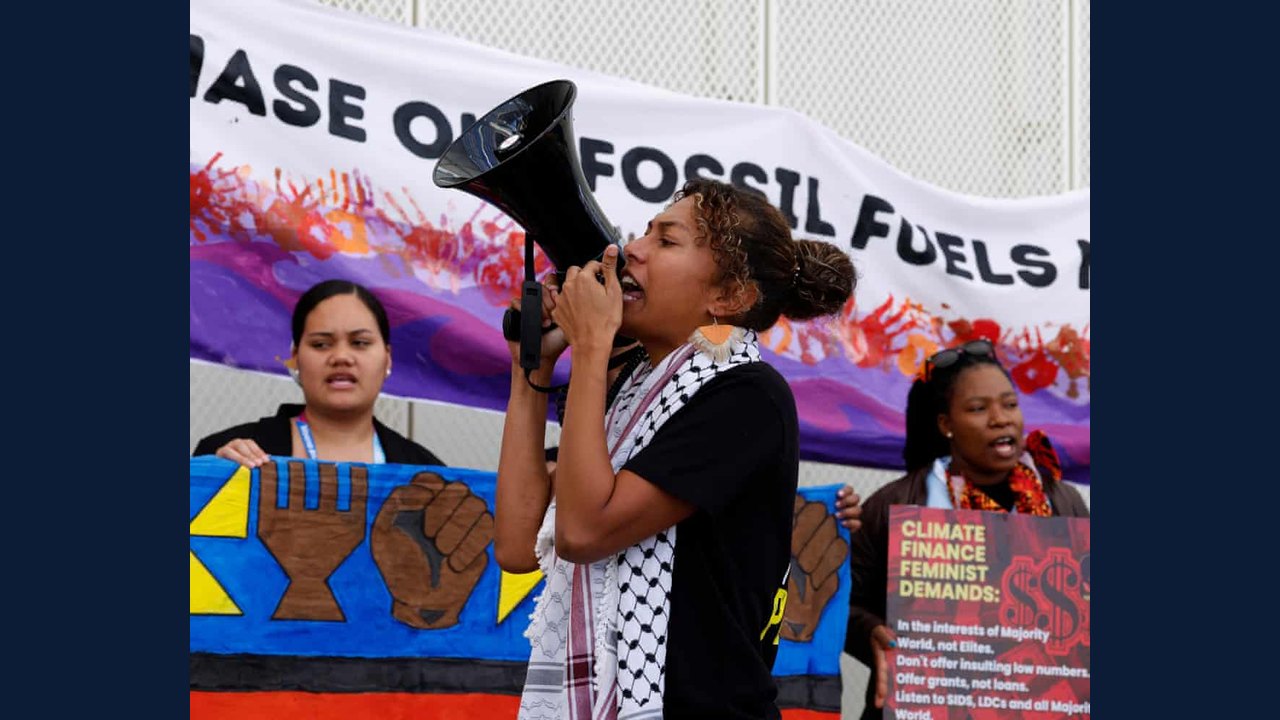 Global Climate Talks Enter Final Days Amid Pressure on Cop31 Draft Agreement
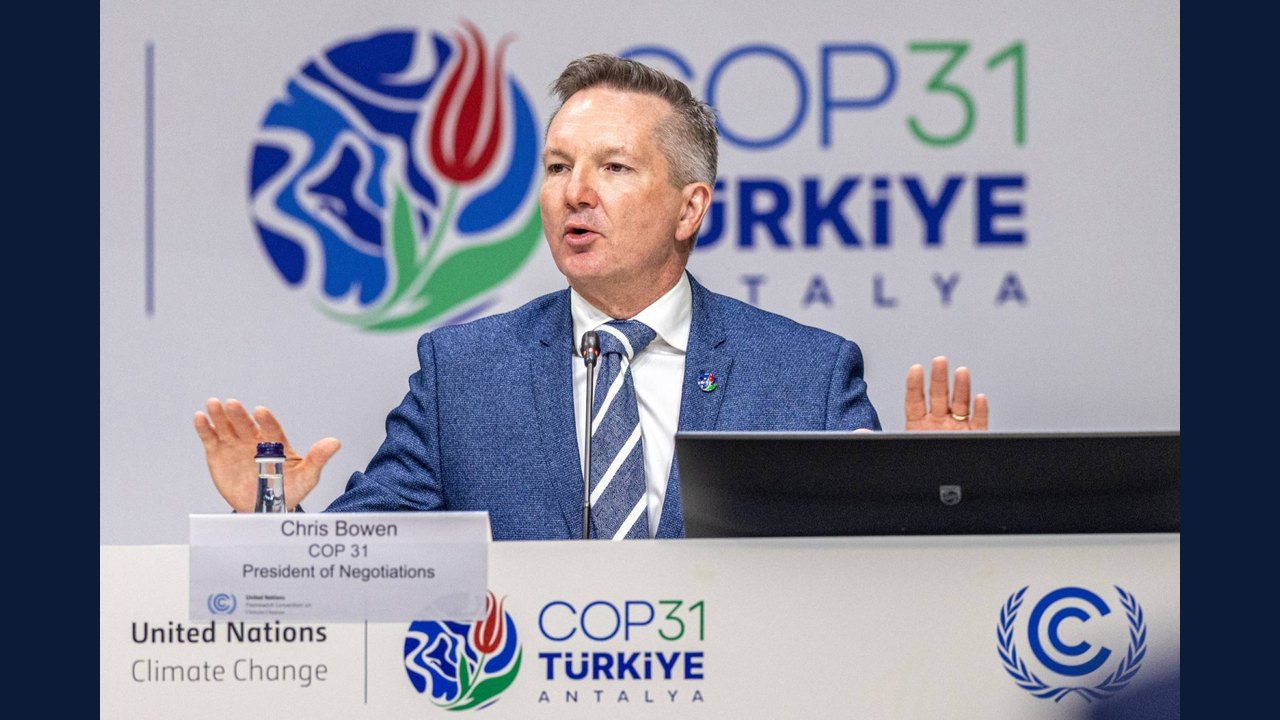 Global Electrification Target Faces Hurdles at COP31 Climate Talks
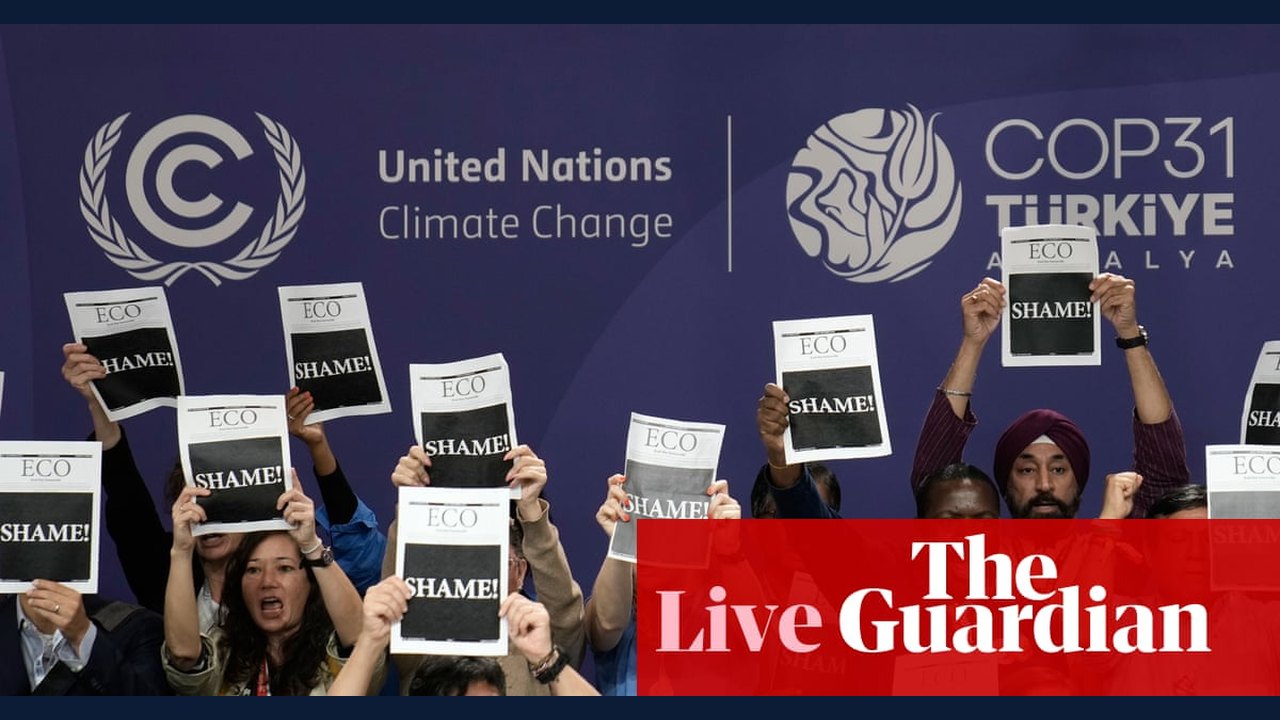 African Ministers Denounce 'Broken Promises' as COP31 Climate Talks Face Final-Day Deadlock
 Who's Who at Cop31: Key Players and Interests at the Antalya Climate Talks