Global Electrification Target Faces Hurdles at COP31 Climate Talks
· GlobeWire Daily Climate Desk · Source: www.japantimes.co.jp
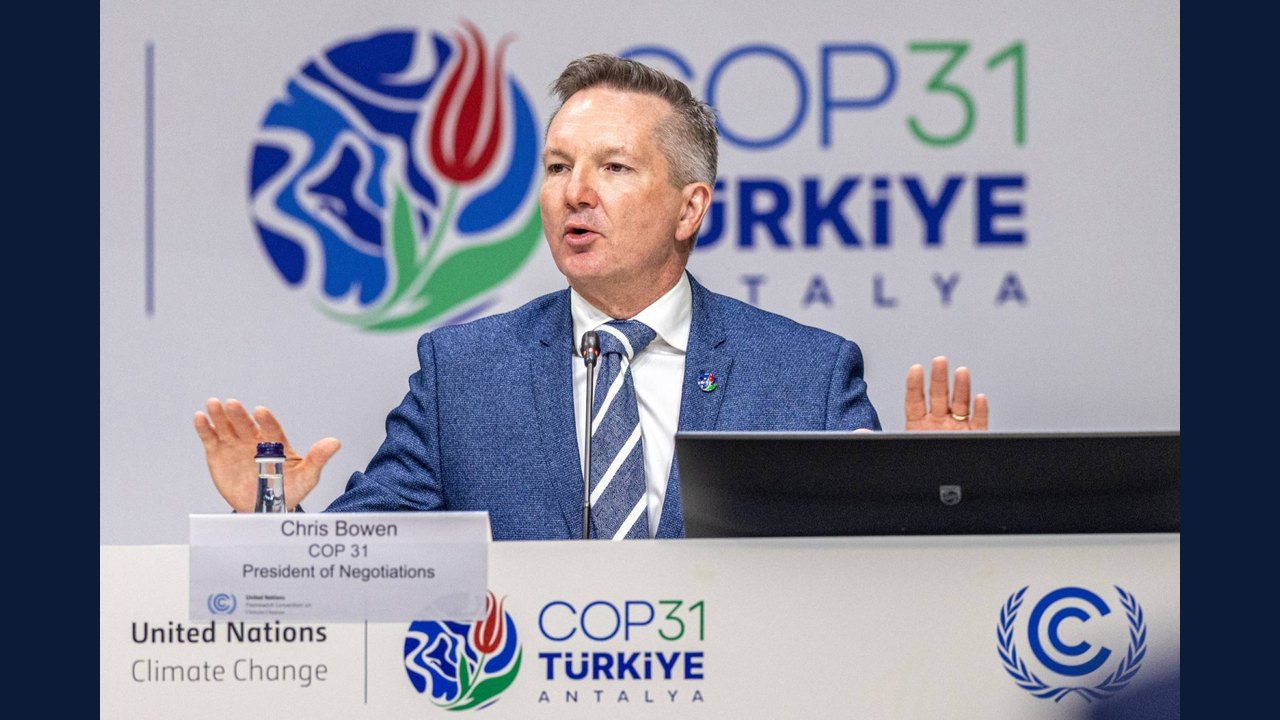
Image: No Author · Photo source · Resized and letterboxed to 16:9; no AI generation
A proposal at the COP31 climate summit in Antalya, Turkey, aimed at increasing the share of electricity in global energy demand to 35% by 2035 is encountering significant resistance. While the target is included in current draft language, there is pushback against including it in the final agreement backed by nearly 200 nations.
Implementation Challenges
Ashish Khanna, director general of the International Solar Alliance, argues that the initiative lacks the necessary country-specific planning and financing mechanisms. According to Khanna, a global, top-down target fails to account for diverse national realities:
- Energy Access: African nations are prioritizing basic energy expansion.
- Industrial Needs: India is focusing on transport electrification to curb pollution.
- Infrastructure: Indonesia faces unique logistical hurdles due to its archipelagic geography.
The Negotiating Impasse
A bloc of developing countries, including China, India, and Bangladesh, has voiced opposition to the specific 2035 target. Negotiators are currently considering alternatives, such as acknowledging the importance of electrification without committing to the precise 35% figure. Australian climate minister Chris Bowen stated that the proposal was intended to further dialogue rather than serve as a fixed component of a final consensus.
Path Forward
Experts suggest that for electrification goals to be viable, global institutions like the World Bank and the International Renewable Energy Agency must assist nations in:
- Designing tailored policy frameworks.
- Creating sustainable financing structures.
- Analyzing the fiscal impact of reducing fossil-fuel imports.
Verify these developments by reviewing official UNFCCC progress reports and statements from the COP31 presidency regarding final accord drafts.
AI-assisted reporting; source claims are attributed and have not been independently verified.
More to read
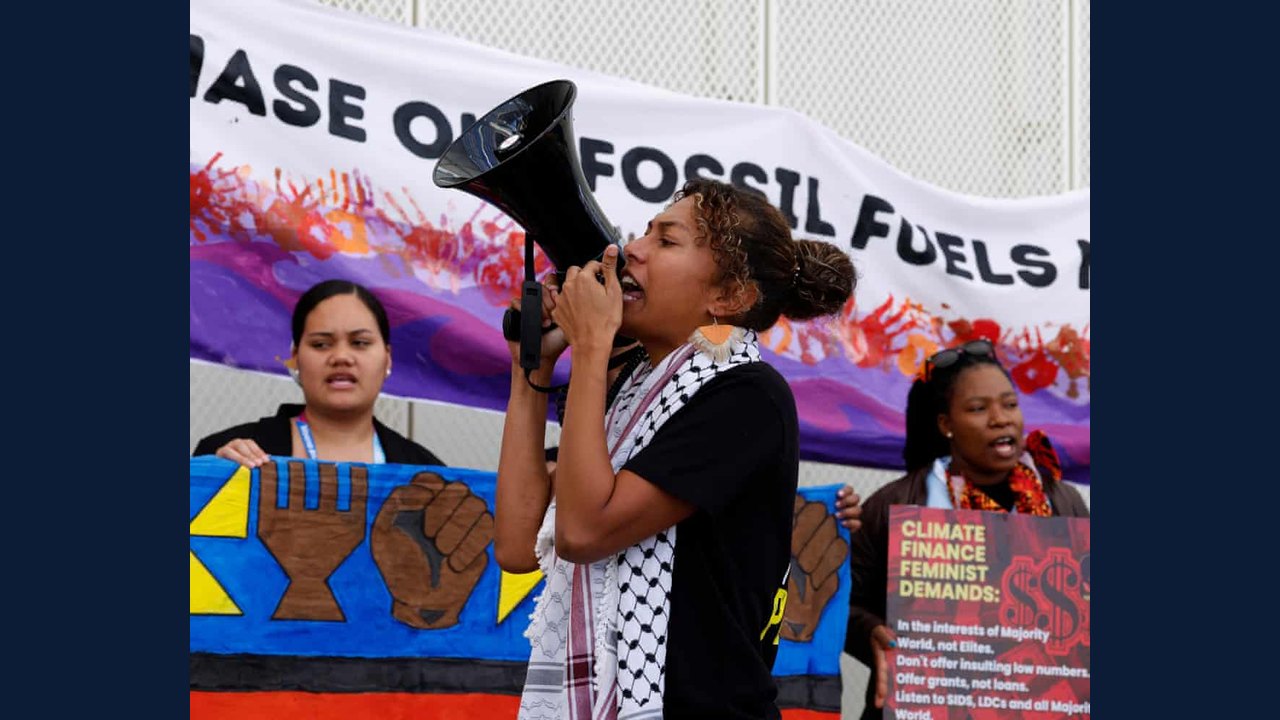 Global Climate Talks Enter Final Days Amid Pressure on Cop31 Draft Agreement
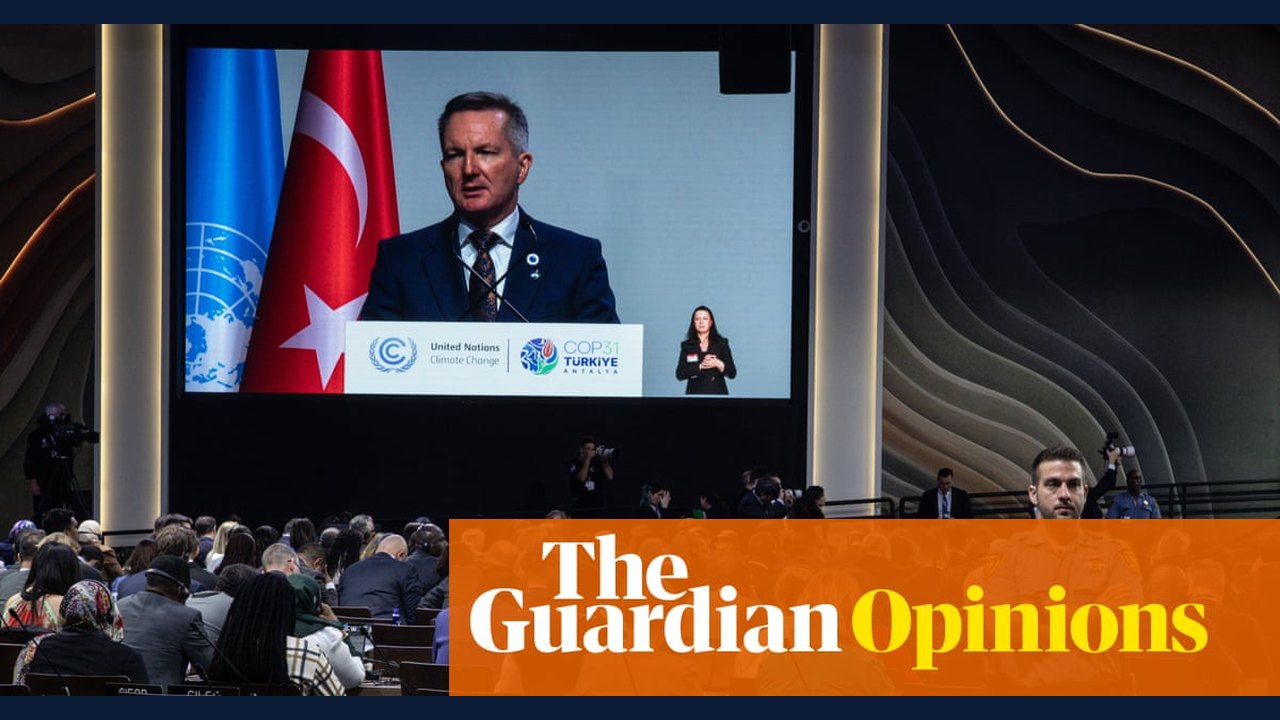 Chris Bowen Faces a Titanic Task at Cop31 Climate Talks in Antalya
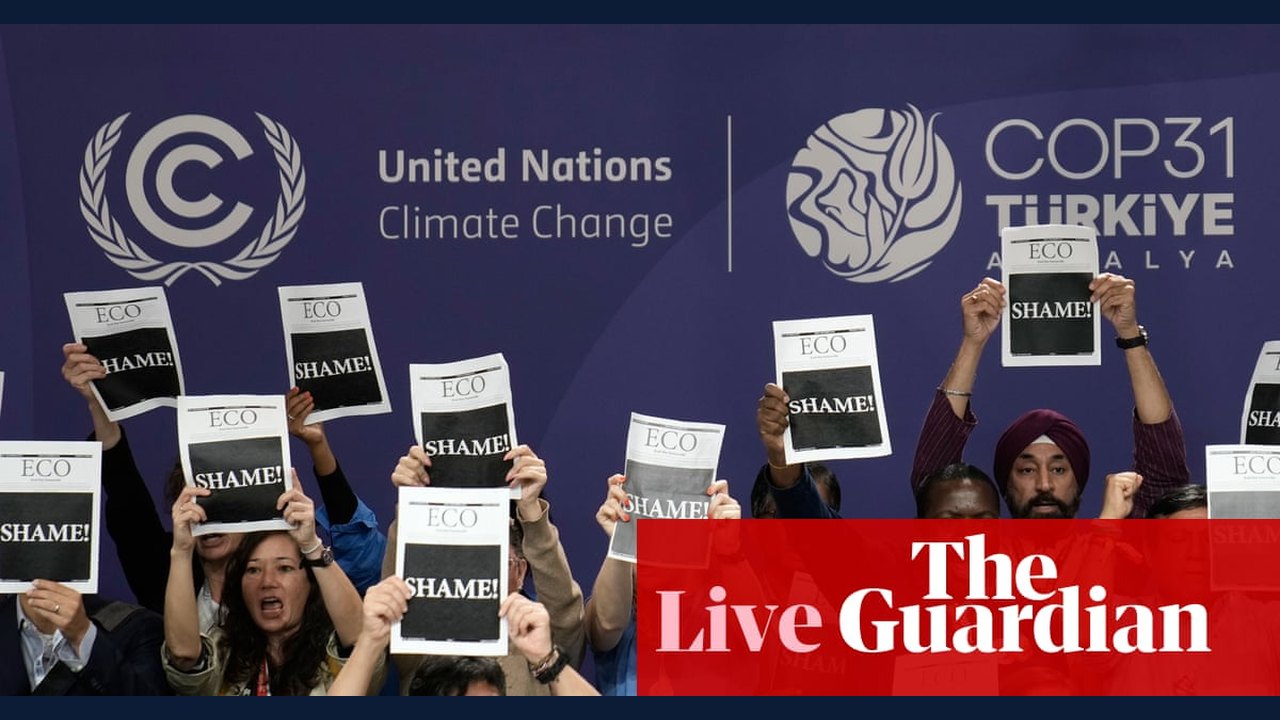 African Ministers Denounce 'Broken Promises' as COP31 Climate Talks Face Final-Day Deadlock
 Ten Years After the Paris Agreement, Are Global Climate Talks Getting Anywhere?