The Strange Saga of Timmy the Humpback Whale on Germany's Coast
· GlobeWire Daily Editorial Desk · Source: www.theguardian.com
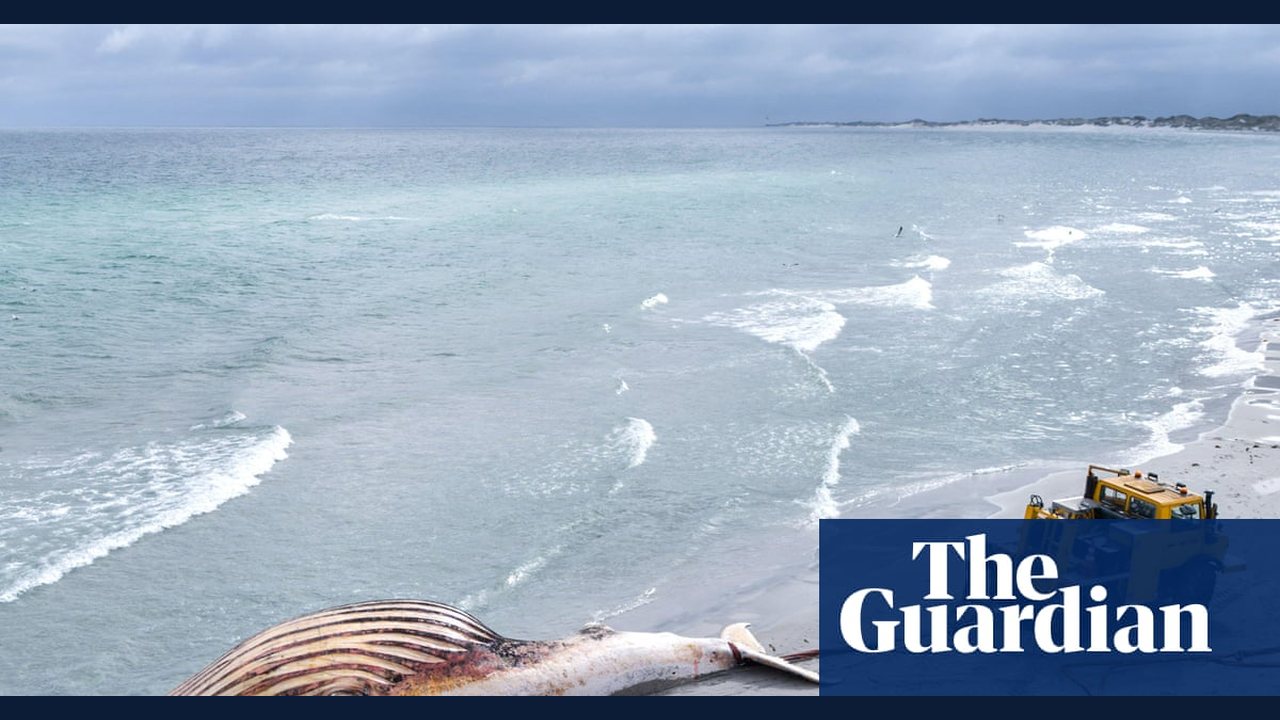
When a lost humpback whale became stranded on the Baltic coast of Germany, it sparked an intense public spectacle, dividing scientists, animal lovers, and conspiracy theorists.
The Stranding on Poel Island
On 31 March, volunteer fire chief Bodo Köpnick found himself guarding a stranded humpback whale on the shores of Poel island in northern Germany. As Köpnick and his team sprayed the animal with seawater, crowds gathered and social media users dubbed the whale "Timmy" or "Timmy Hope."
Online Hysteria and Conspiracy Theories
The situation quickly fueled wild conspiracy theories online, with some users falsely claiming authorities were spraying the whale with acid to acquire its skeleton, or suggesting political motives tied to regional grievances. Protesters eventually breached police barriers, leading to tense confrontations before Köpnick intervened to explain his actions.
Scientific Assessments and Political Divisions
Marine experts, including Burkard Baschek of the Ocean Museum Germany, noted that the Baltic Sea's low salinity and shallow waters posed severe health risks to the whale, leading officials to conclude that further intervention might constitute animal cruelty. Meanwhile, Environment Minister Till Backhaus faced immense public pressure as the debate unfolded against a backdrop of regional populism and political skepticism reminiscent of pandemic-era distrust.
Private Rescue Efforts
Driven by public outcry and funded by private donors, a hastily assembled, eclectic team of volunteers, vets, and international whale experts attempted an unprecedented rescue operation. After weeks of palliative care, expert consultations, and debates over the animal's condition, the whale was eventually placed on a barge for transport toward open waters in late April. However, operational friction and unclear command structures complicated the mission, leading to the whale's release north of Denmark in early May.
Practical Implications and Verification
This event highlights how unusual wildlife emergencies can intersect with public anxiety and digital misinformation. Observers and officials recommend verifying rescue claims through official statements from marine research institutions like the Institute for Terrestrial and Aquatic Wildlife Research (ITAW) or the Ocean Museum Germany.
More to read
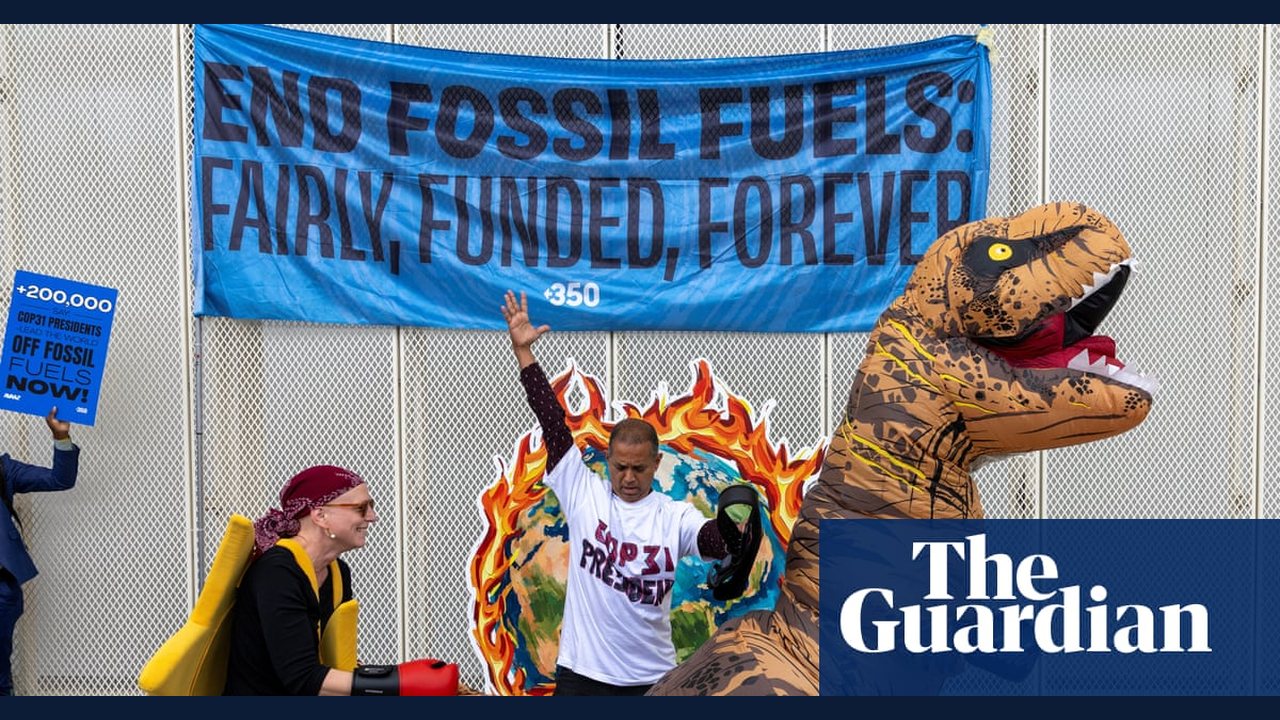 China Commits to Low-Carbon Electrification Push and Assistance at Cop31 Climate Summit
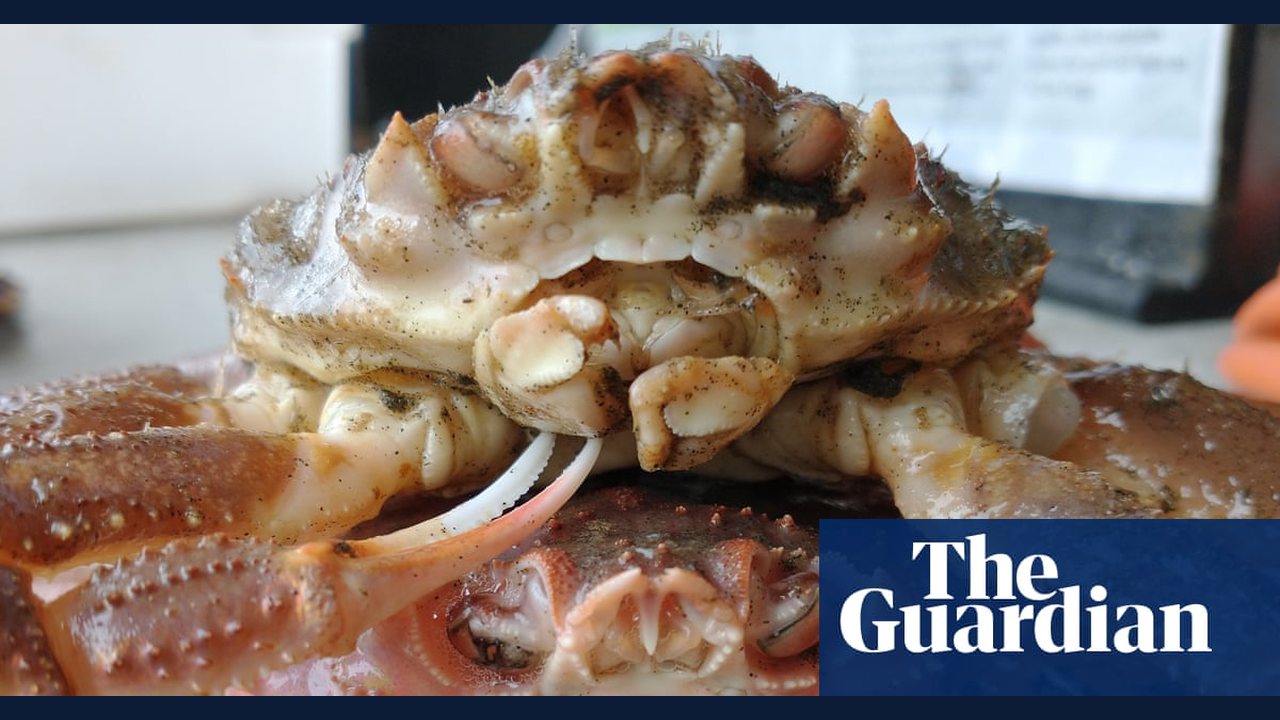 Bering Sea Heatwave Triggers Surge in Hybrid Crabs Puzzling Biologists and Fishers
 Cop31 Talks Stretch Past Deadline Amid Warnings Over Fossil Fuels and El Niño
 COP31 Faces Potential Collapse as Fossil Fuel Mentions Stripped from Draft Text