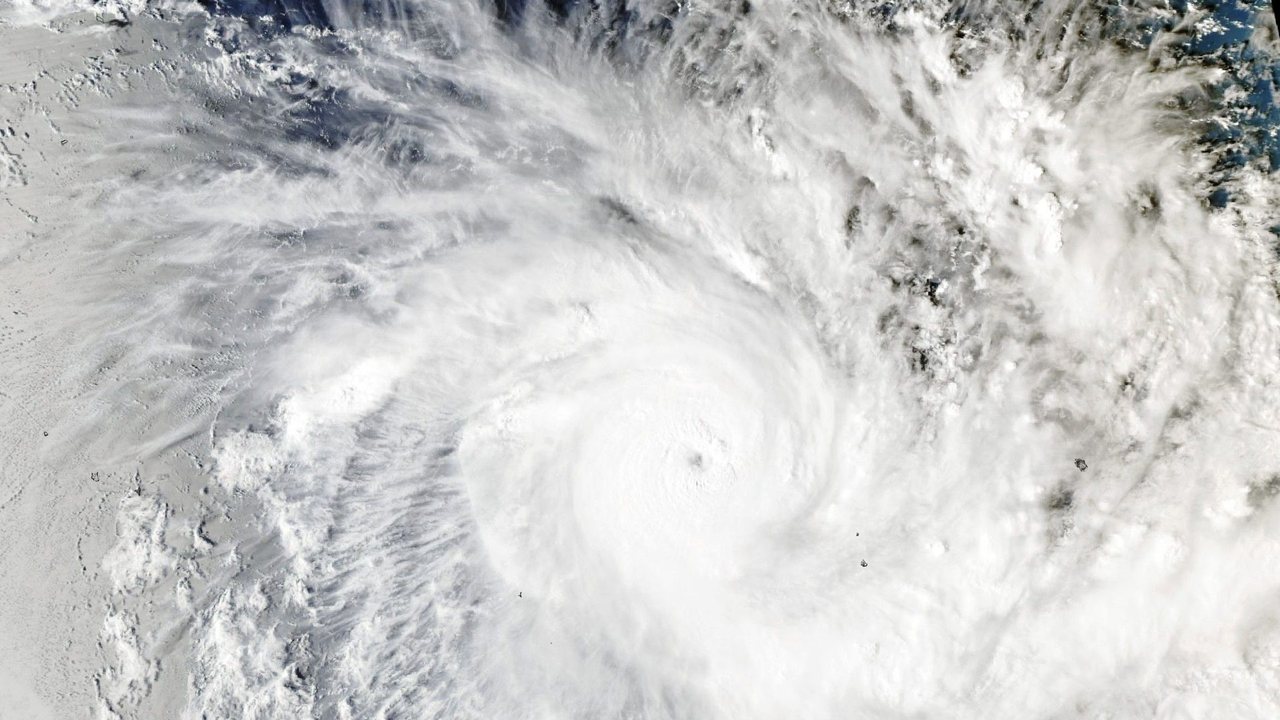
From Endless Rains to Heatwaves: How Climate Change is Disrupting Traditional Seasons
· GlobeWire Daily Editorial Desk · Source: timesofindia.indiatimes.com
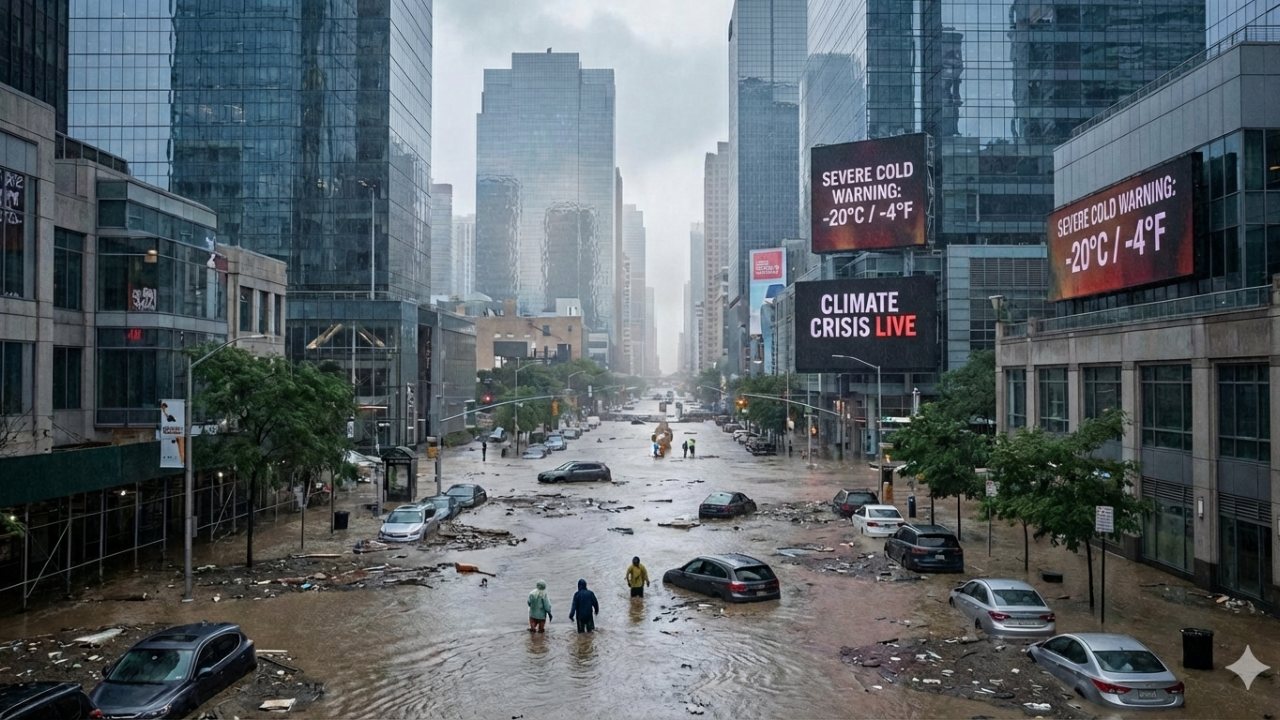
Traditional seasonal patterns are undergoing noticeable shifts, with experts pointing to rising global temperatures as a key driver behind erratic weather, shifting monsoons, and the fading of predictable winters and springs.
For generations, predictable seasons have guided agriculture, ecosystems, and human societies. However, researchers and meteorologists note that this natural timetable is faltering, leading to shorter winters, longer summers, and unpredictable rainfall.
The Changing Rhythm of Seasons
Experts explain that seasonality acts as a vital clock for nature and human activities alike. When these patterns fail, the impacts ripple across multiple sectors:
- Agriculture: Mistimed rainfall and rising temperatures disrupt crop calendars, affecting sowing and harvesting schedules.
- Ecosystems: Plant and animal life cycles are losing alignment with traditional seasonal cues, risking biodiversity and food availability.
- Human Health: Extended heat exposure and altered rainfall cycles elevate risks of heat stress and vector-borne illnesses.
Scientific Insights and Regional Impacts
Researchers from institutions like Jawaharlal Nehru University and Delhi University highlight that warming oceans and greenhouse gas concentrations are altering atmospheric circulation. In India, shifts in monsoon intensity have led to increased rainfall in some western regions while traditional agricultural belts experience dryness. Furthermore, extreme heat events have begun earlier in the year, challenging water security and groundwater levels, particularly in semi-arid regions like Rajasthan.
Practical Implications and Verification
Communities and planners face mounting challenges in water management and disaster preparedness. To verify these ongoing climatic shifts, observers can consult observational data and reports published by meteorological organizations such as the India Meteorological Department (IMD) and international scientific assessments.