India Records 80% Decline in Malaria Cases; Climate Change Poses Potential Risks
· GlobeWire Daily Editorial Desk · Source: news.abplive.com
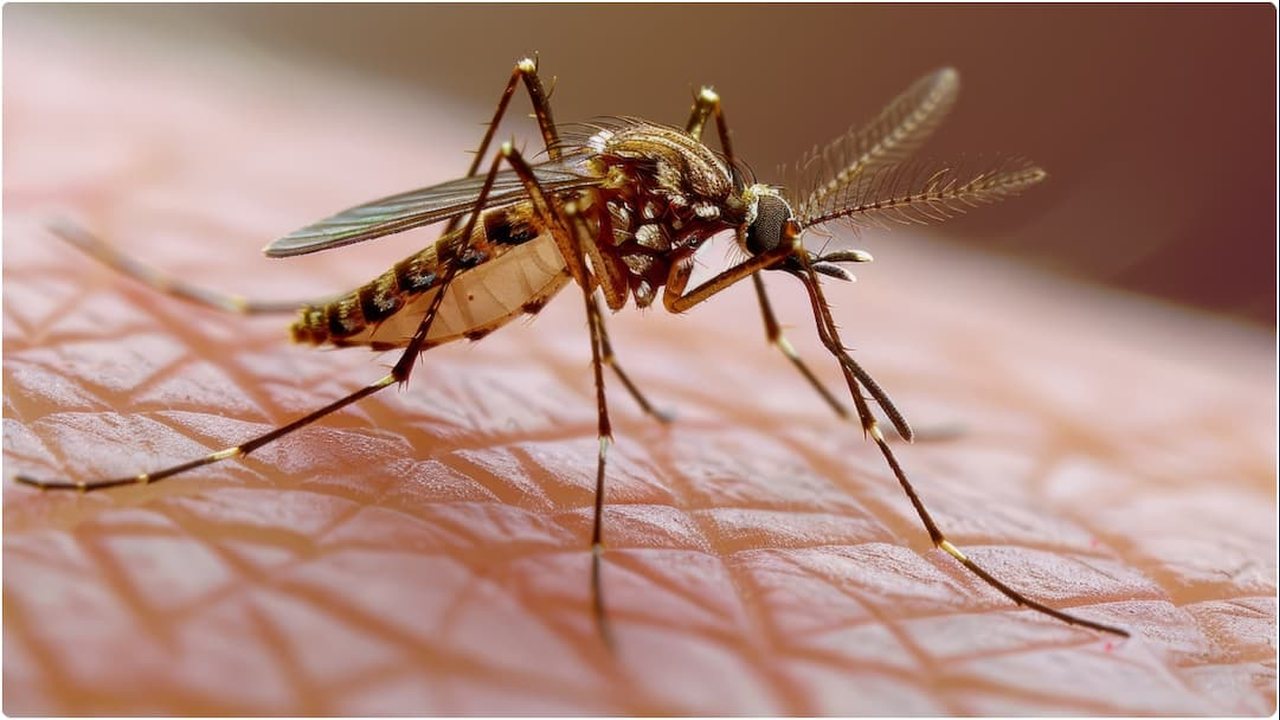
India has reported an estimated 80 per cent decline in malaria cases and deaths between 2015 and 2025, according to reported figures, supported by enhanced diagnosis, treatment access, and vector control programmes. However, public health experts note that climate change, rising temperatures, and changing rainfall patterns could present future challenges for disease control.
Reports indicate that the number of districts reporting a high malaria burden decreased from 155 to 33, while roughly 160 districts reported no locally transmitted malaria cases between 2022 and 2025. These figures align with India's ongoing target to eliminate malaria by 2030, though sustained disease surveillance remains necessary.
Understanding Malaria and Symptoms
Malaria is caused by Plasmodium parasites transmitted through infected female Anopheles mosquitoes. Symptoms typically emerge 10 to 15 days following a mosquito bite and can initially mimic flu-like conditions. Reported symptoms include:
- High fever and sudden temperature rises
- Intense chills and shivering
- Frequent headaches and muscle pain
- Excessive sweating and fatigue
- Nausea, vomiting, and digestive discomfort
Severe complications can lead to organ involvement, neurological signs, or breathing difficulties if diagnosis is delayed.
Diagnosis and Treatment
Clinical confirmation typically relies on diagnostic tools such as blood tests or rapid diagnostic evaluations. Treatment regimens depend on the specific parasite type and disease severity, utilizing prescribed antimalarial medications. Patients experiencing persistent fever are advised to consult qualified medical professionals rather than using self-medication.
Practical Prevention Strategies
Vector management and bite prevention are key components in reducing transmission risks:
- Use insecticide-treated or standard mosquito nets during sleep.
- Apply recommended mosquito repellents during high-risk hours.
- Wear full-sleeved clothing to minimize skin exposure.
- Eliminate stagnant water around residential areas, including flower pots and coolers.
- Keep water storage containers securely covered.
Readers can verify public health statistics and guidelines by reviewing official updates from India's Ministry of Health and Family Welfare or reports from recognized health organizations.
More to read
 From Endless Rains to Heatwaves: How Climate Change is Disrupting Traditional Seasons
 Study Examines How Carbohydrates Like Bread and Rice Can Influence Weight Gain Without Extra Calories
 Astronomers Claim Discovery of New 'Black Hole Star' Object in Early Universe
 A 55-Year-Old Math Problem Was Solved—This Time by Humans