Understanding Climate Change: Causes, Impacts, and Global Action
· GlobeWire Daily Climate Desk · Source: www.un.org
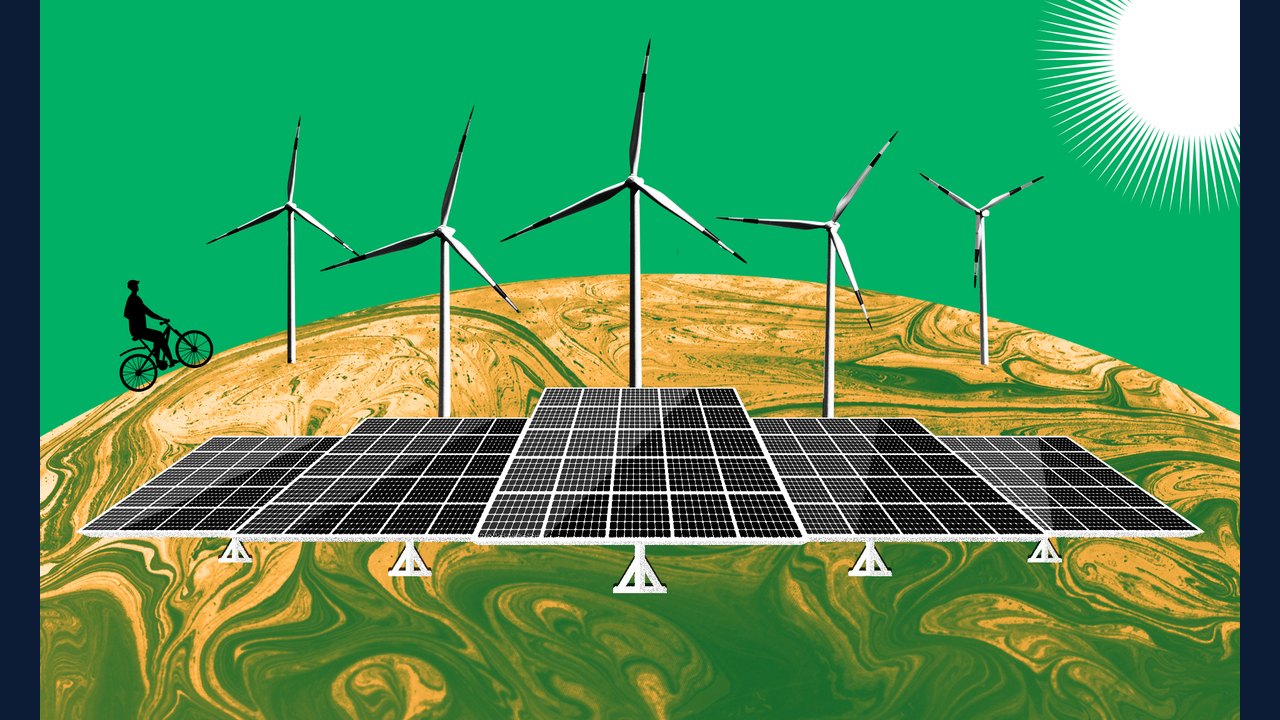
Image: United Nations · Photo source · Resized and letterboxed to 16:9; no AI generation
According to United Nations resources, climate change refers to long-term shifts in temperatures and weather patterns. While natural factors like solar activity and volcanic eruptions can cause shifts, human activities have been the primary driver since the 1800s, largely due to burning fossil fuels such as coal, oil, and gas.
Causes of Climate Change
Burning fossil fuels generates greenhouse gases like carbon dioxide and methane, wrapping the Earth like a blanket and trapping heat. Major contributing sectors include:
- Energy and industry
- Transport and buildings
- Agriculture and land use, including deforestation
Scientific findings reported by the UN indicate that human activities are warming the world faster than at any time in at least two thousand years. The Earth's surface is currently about 1.44°C warmer than in the late 1800s.
Consequences and Risks
Climate impacts extend far beyond rising temperatures, affecting interconnected Earth systems. Documented consequences include:
- Intense droughts and water scarcity
- Severe fires, rising sea levels, and flooding
- Melting polar ice, catastrophic storms, and declining biodiversity
Practical Solutions and Action
Addressing climate change requires global frameworks like the Paris Agreement and involves three main categories:
- Cutting Emissions: Transitioning from fossil fuels to renewables like solar and wind, with targets to cut global emissions by half by 2030.
- Adapting to Impacts: Protecting vulnerable populations, upgrading infrastructure, and implementing early warning systems.
- Financing: Securing significant financial investments by governments and businesses, particularly supporting developing nations.
Readers can verify these details and consult further technical terms by reviewing official UN climate reports and the UN Climate Dictionary.
AI-assisted reporting; source claims are attributed and have not been independently verified.
More to read
 Urban Areas and Climate Change: UNEP Outlines Impacts, Emissions, and Mitigation Frameworks
 Oxfam Report: World’s Wealthiest Benefit from Both Causes and Costs of Climate Change
 IPCC Report Delay Threatens Global Climate Action, Scientist Warns
 New Research Warns Climate Change Could Reshape Global Tourism Seasons by 2080