Urban Areas and Climate Change: UNEP Outlines Impacts, Emissions, and Mitigation Frameworks
· GlobeWire Daily Climate Desk · Source: www.unep.org

Image: UNEP - UN Environment Programme · Photo source · Resized and letterboxed to 16:9; no AI generation
According to the United Nations Environment Programme (UNEP), climate change presents significant challenges to urban areas globally, with cities simultaneously acting as major contributors to greenhouse gas emissions and facing severe vulnerabilities from rising temperatures and extreme weather.
Urban Vulnerabilities and Emissions
Reports indicate that rising global temperatures contribute to sea-level rises, extreme weather events like floods and droughts, and the spread of tropical diseases. These impacts affect basic services, infrastructure, housing, and public health.
- Emission Share: Urban areas are estimated to account for 70 percent of global carbon dioxide emissions.
- Primary Contributors: Transport and buildings represent two of the largest sources of urban greenhouse gas emissions.
Mitigation and Adaptation Strategies
Addressing climate change requires coordinated global, regional, national, and local actions. Many municipal authorities have begun utilizing renewable energy, cleaner production methods, and regulatory incentives to reduce industrial emissions and improve local air quality.
- UNEP Support: Collaborates with national and local governments through awareness campaigns, training workshops, and evaluation tools.
- Joint Initiatives: Participates in collaborative frameworks such as the Joint Work Programme involving the World Bank, UN-Habitat, and Cities Alliance to support urban adaptation and mitigation, particularly in developing countries.
Resources and Verification
UNEP provides resources including an online knowledge centre, participation in the Climate Neutral Network, and the Environment and Climate Change Outlook (ECCO) project. The ECCO project offers methodologies for sub-regional and national authorities to conduct vulnerability and impact assessments.
- Verification: Readers can verify official announcements and reports directly through the UNEP official website and publications by the Intergovernmental Panel on Climate Change (IPCC).
AI-assisted reporting; source claims are attributed and have not been independently verified.
More to read
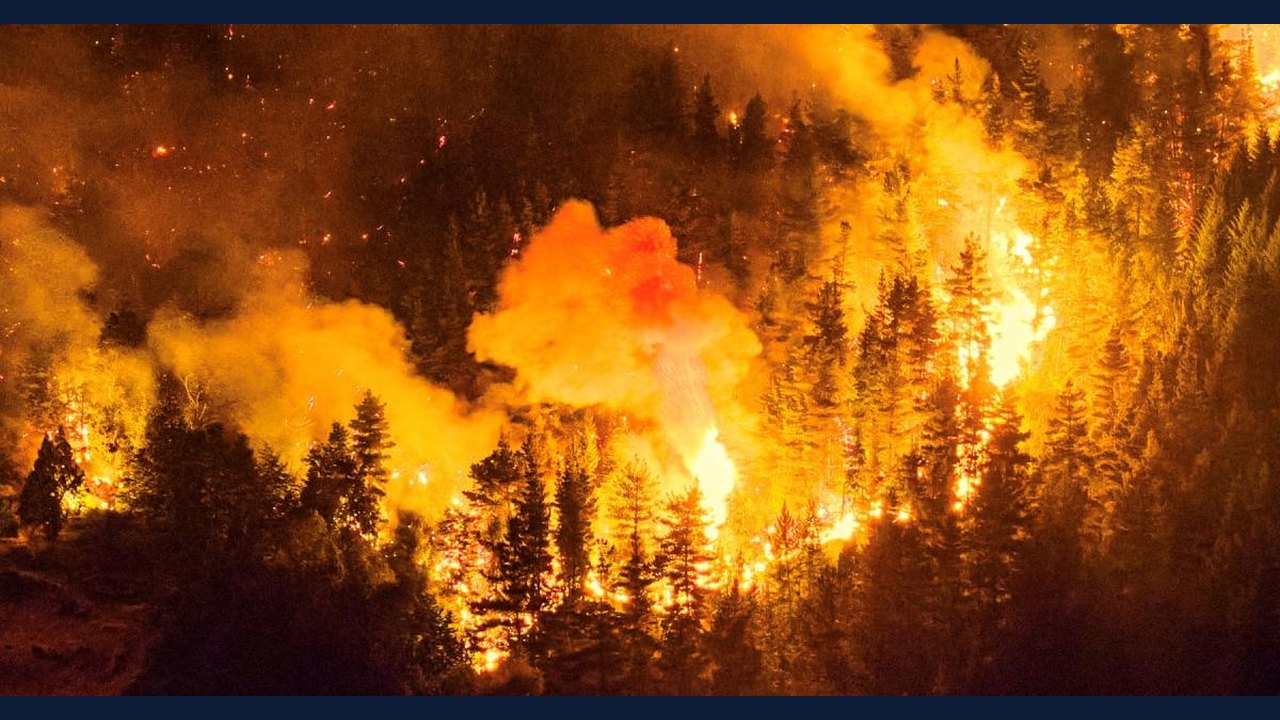 New UNEP Report Outlines Humanity's Options for Containing Climate Change
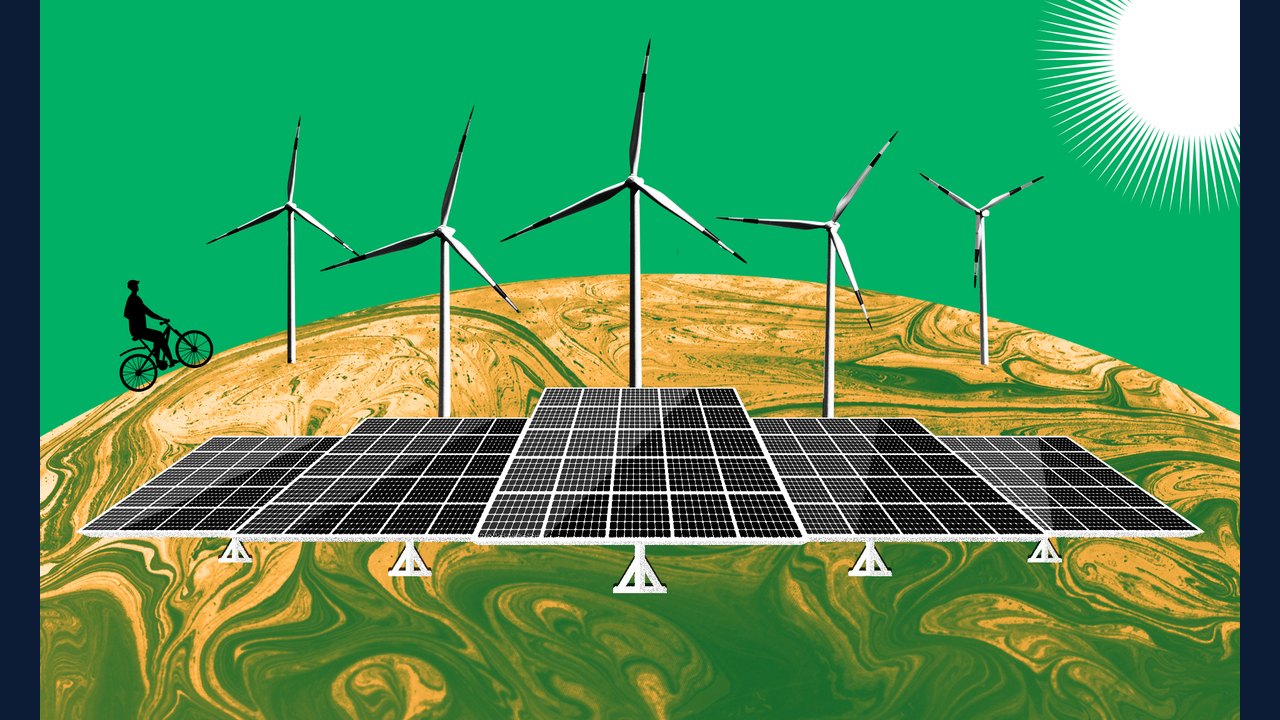 Understanding Climate Change: Causes, Impacts, and Global Action
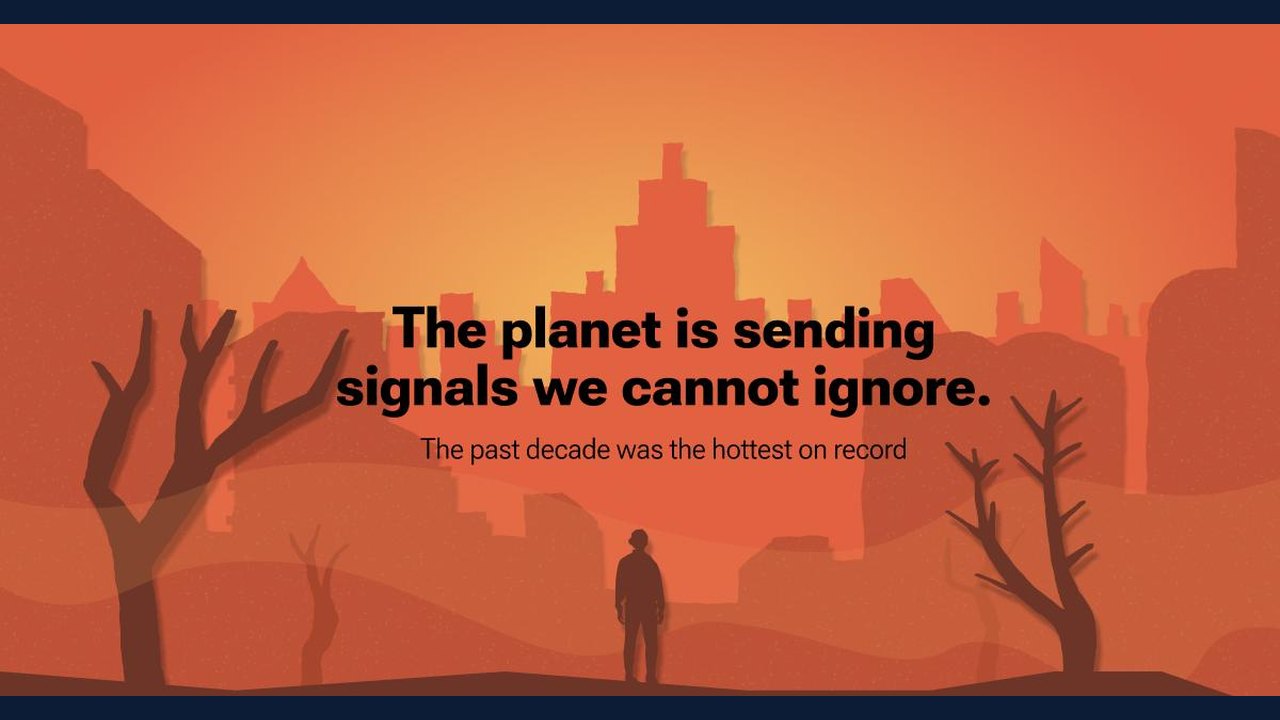 UNEP Emissions Gap Report 2026: The Critical Need for Accelerated Climate Action
 Met Office Science Supports UK Farming and Food Chain Adaptation to Climate Change