US Carbon Storage 'Gold Rush' Triggers Local Pushback and Environmental Concerns
· GlobeWire Daily Climate Desk · Source: www.theguardian.com
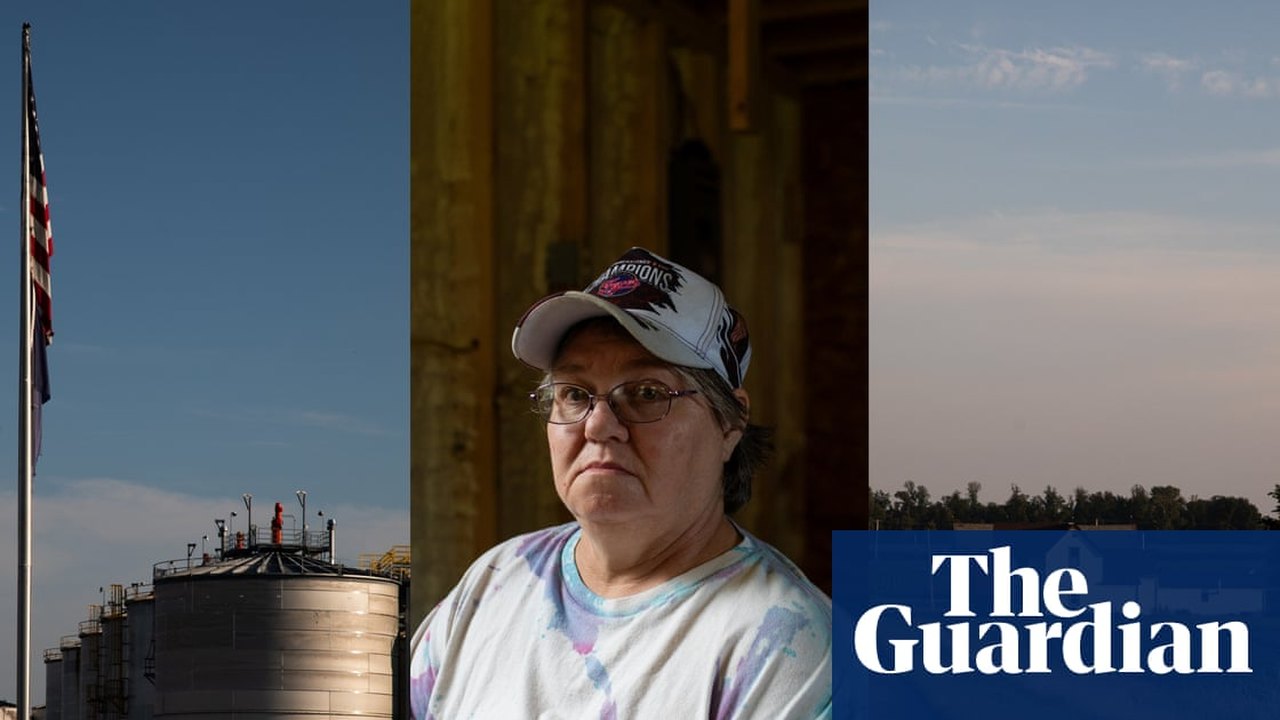
Image: www.theguardian.com — Creative Commons
A wave of carbon capture and sequestration projects is moving through the development pipeline across the United States, propelled by lucrative federal tax credits and drawing sharp pushback from residents in affected rural communities.
Supporters of the technology, including federal policymakers across multiple administrations, promote carbon storage as a tool to help mitigate global heating by capturing industrial emissions and burying them thousands of feet underground. However, the prospect of dozens of new projects nearing final approval from the Environmental Protection Agency and state regulators has intensified national debates over the effectiveness, safety, and financial motives driving the industry.
The Heartland Conflict in Clymers, Indiana
In Clymers, Indiana, a local ethanol plant has spearheaded a project to inject carbon dioxide deep into local geologic formations. For resident Melissa Harrison and other community members, the proposal has sparked profound anxiety about the future of their town.
Harrison, whose family is deeply rooted in the area, told reporters that the community is already burdened by industrial agriculture facilities, including a fertilizer supplier and a hazardous waste recycling company, alongside high poverty rates and contaminated well water. Residents reported receiving letters regarding the project, with some offered nominal financial compensation—such as $150 a year—to allow carbon sinks under their properties.
Dennis Crume, a local farmer who grows corn and soybeans near Clymers, refused to sign an agreement regarding the project. He voiced concerns over potential impacts on local well water and the environment, noting that state laws can limit landowners' ability to block such developments.
Lucrative Subsidies and the 'Carbon-Capture Gold Rush'
The surge in applications is largely driven by generous federal backing. The 45Q tax credit program, initially expanded under the Biden administration and maintained under subsequent political leadership, offers companies $85 in transferable tax credits for each ton of point-source carbon permanently stored.
Because ethanol plants emit a nearly pure stream of carbon dioxide, their emissions are relatively simple to capture. Industry analysts note that revenue generated from these tax credits can rival earnings from selling the actual ethanol, effectively doubling a plant's potential income. Energy companies and oil industry participants frequently sponsor these ventures, leading critics to label the movement a 'carbon-capture gold rush.'
Environmental Risks and Industry Response
While international climate monitors suggest carbon storage can serve as a secondary tool alongside deep cuts to fossil fuels, environmental groups and scientific critics warn of significant hazards. Primary concerns include the risks of groundwater contamination, induced earthquakes, and dangerous carbon dioxide leaks.
Critics point to historical precedents, such as a 2020 pipeline rupture in Mississippi that led to dozens of hospitalizations and widespread evacuations, as well as 2024 leaks at a commercial carbon capture project in Illinois that prompted subsequent state restrictions.
Proponents and sponsoring companies maintain that carbon sequestration is a safe, established technology supported by strict engineering, seismic analysis, and monitoring protocols. The Andersons Renewables, the company proposing the Clymers project, stated that captured carbon dioxide would be compressed and injected more than 3,000 feet underground into verified permanent storage formations, emphasizing their commitment to transparency with the local community.
Practical Implications and Verification
For readers seeking to verify details surrounding federal energy policies and specific industrial permits, official documentation can be accessed through the [Environmental Protection Agency](https://www.epa.gov) and public regulatory filings.
- What is Confirmed: Dozens of carbon sequestration projects are advancing toward final regulatory approval across the U.S., supported by federal 45Q tax credits. Major industrial emitters, particularly ethanol facilities, are prominent applicants, and rural residents in areas like Clymers, Indiana, are actively organizing opposition.
- What Remains Uncertain: The long-term environmental reliability of widespread underground storage, the full extent of future community health impacts, and whether these projects will achieve net-zero emission reductions or primarily serve as financial subsidies for fossil fuel-linked industries continue to be subjects of intense debate among scientists, economists, and regulators.
AI-assisted reporting; source claims are attributed and have not been independently verified.
More to read
 Decomposed Whale Carcass Closes Two Popular Sydney Beaches
 London to Close Oxford Street to Traffic as Part of Mayor’s Long‑Term Pedestrianisation Plan
 Two Decades After the Landmark Stern Review, Climate Economics Remains Divided
 What the Science Actually Says About Seed Oils and Human Health
Trending on GlobeWire Daily
Selected from recent coverage and related topics; not live search rankings.
 MP High Court Opens Applications for 418 Stenographer and Assistant Posts: Key Dates and Eligibility
 WBPSC Announces 1145 Sub-Surveyor Vacancies: Important Dates, Eligibility, and Application Details
 ARCI Recruitment 2026: Applications Open for 29 Technical, Administrative, and Scientific Posts
 Karnataka School Education Department Extends Online Application Deadline for 2026 Teacher Recruitment to 16 November
 KRDP Recruitment 2026: Online Applications Open for 12,878 Group B and C Vacancies
 RRB Releases 2026 Station Master Recruitment Notification for 1,265 Posts