US Datacenter Surge Matches Denmark's Annual Emissions, Study Finds
· GlobeWire Daily Climate Desk · Source: www.theguardian.com
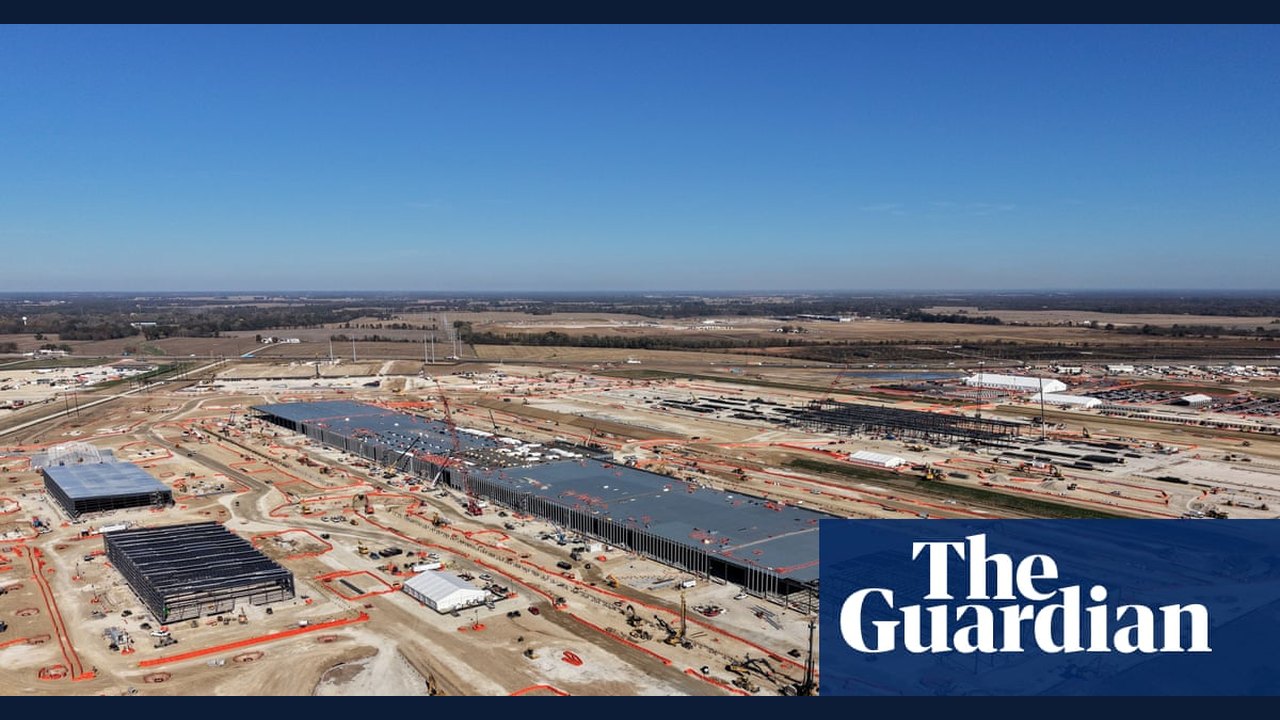
Image: the Guardian · Photo source · Resized and letterboxed to 16:9; no AI generation
A study published in Nature Sustainability reports that the rapid expansion of large-scale "hyperscaler" datacenters in the United States has driven planet-heating emissions comparable to Denmark's annual output. Researchers analyzed federal government data for the period leading up to April 2025.
According to the findings, 403 hyperscale datacenters—primarily built to support artificial intelligence growth—emitted approximately 25.7 million metric tons of carbon dioxide over the studied year. This figure represents roughly 1.8% of total US electricity consumption and is estimated to be two to three times higher than previous 2018 estimates for hyperscale facilities. States such as Virginia, Oregon, Ohio, and Iowa serve as major hubs for this energy demand.
Energy Sources and Fossil Fuel Dependence
The research indicates that these facilities consumed between 68 and 99 terawatt-hours of electricity over the analyzed period. More than half of this power generation relied on fossil fuels, with developers increasingly favoring new gas-fired power sources—sometimes constructed on-site—over installed solar and wind energy.
Study co-author Francesca Dominici, a biostatistics professor at Harvard University, noted that the emissions figures should be treated as a lower bound due to the continuous construction of new datacenters since April 2025.
Community Concerns and Local Opposition
- Energy and Water Use: Facilities require massive amounts of resources, drawing scrutiny in drought-prone areas like Utah, where the planned Stratos datacenter has drawn grassroots criticism over water use and potential air pollution.
- Public Backlash: Bipartisan local opposition has emerged across multiple states. For instance, developments linked to Elon Musk's AI initiatives in the Memphis, Tennessee region have faced protests and lawsuits concerning noise and air pollution.
- Industry Arguments: Industry developers and supporters defend the resource usage as minor compared to sectors like agriculture, while highlighting job creation and local tax revenue benefits.
Practical Implications and Verification
The study underscores the growing tension between rapid artificial intelligence infrastructure development and climate goals. Readers can verify the original research by reviewing the paper published in Nature Sustainability or examining federal energy data sources.
AI-assisted reporting; source claims are attributed and have not been independently verified.
More to read
 U.S. Data Centres Produced More Emissions Than Denmark in a Year, Harvard Study Finds
 US Hyperscale Data Centers Match Michigan's Annual Electricity Consumption, Study Finds
 Study Finds Floating Solar Panels on New York Ponds Linked to Higher Greenhouse Gas Emissions
 Harvard Study Links U.S. Data Centers to Massive Carbon Emissions