US Hyperscale Data Centers Match Michigan's Annual Electricity Consumption, Study Finds
· GlobeWire Daily Science Desk · Source: www.wired.com
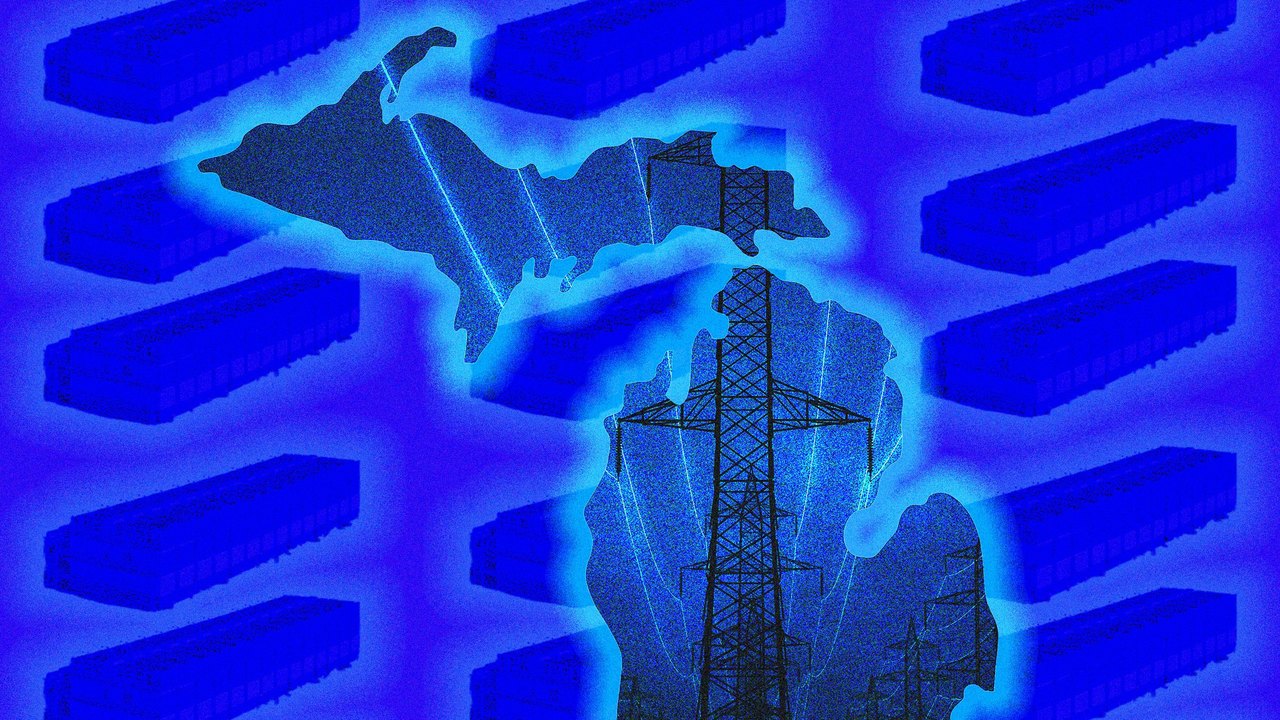
Image: Molly Taft · Photo source · Resized and letterboxed to 16:9; no AI generation
A peer-reviewed study published in Nature Sustainability reveals that 403 operational hyperscale data centers in the United States consumed as much electricity in a single year as the entire state of Michigan. Researchers reported that the majority of this power came from fossil fuels, with sector emissions tripling compared to pre-AI boom levels. Because government agencies historically do not track data center power usage separately and operators often treat specific figures as proprietary, researchers relied on industry research and satellite data to estimate energy consumption and carbon emissions between May 2024 and April 2025.
Key Findings from the Harvard Study
- High Consumption: Just 403 hyperscale facilities matched Michigan's annual electricity usage.
- Geographic Concentration: Facilities in Virginia, Oregon, Ohio, and Iowa accounted for over 50 percent of the energy use analyzed in the study.
- Fossil Fuel Reliance: Most electricity powering these facilities was generated using fossil fuels.
Limitations and Industry Shifts
Independent experts note that the findings may already understate current trends. The average facility size evaluated in the research was 40 megawatts, whereas developers are currently proposing massive campuses reaching hundreds or thousands of megawatts. Furthermore, the study excluded onsite power generation, known as behind-the-meter power, which BloombergNEF reports could significantly increase overall US emissions if fully developed.
Practical Implications and Verification
- Grid Strain: The findings highlight mounting pressures on the American power grid as facility scales expand.
- Potential Monitoring: The US Energy Information Agency recently completed pilot surveys across ten states to evaluate potential voluntary data collection for the sector.
- Verification: Readers can review the original peer-reviewed paper in Nature Sustainability or track upcoming data releases from the Energy Information Agency.
AI-assisted reporting; source claims are attributed and have not been independently verified.
More to read
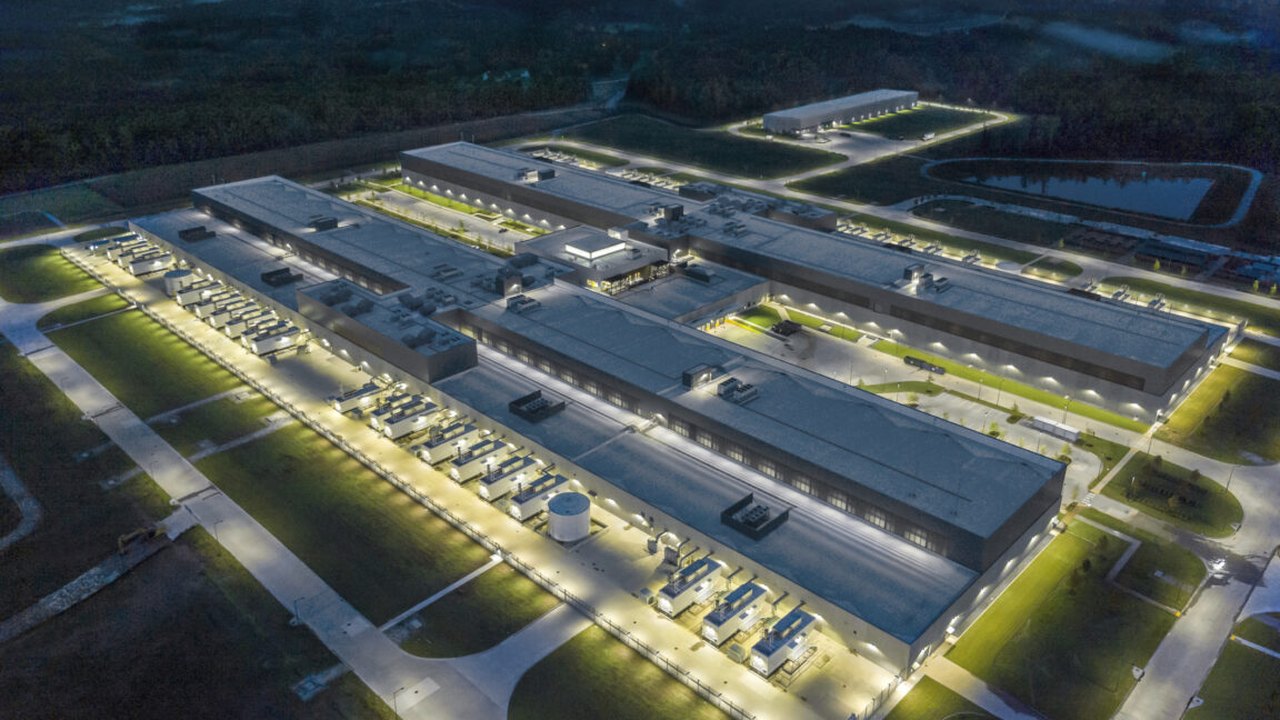 Hyperscale Data Centers Now Consume Estimated 2% of US Electricity
 Study Reveals Hyperscale Data Centers Carbon Footprint Rivals Denmark
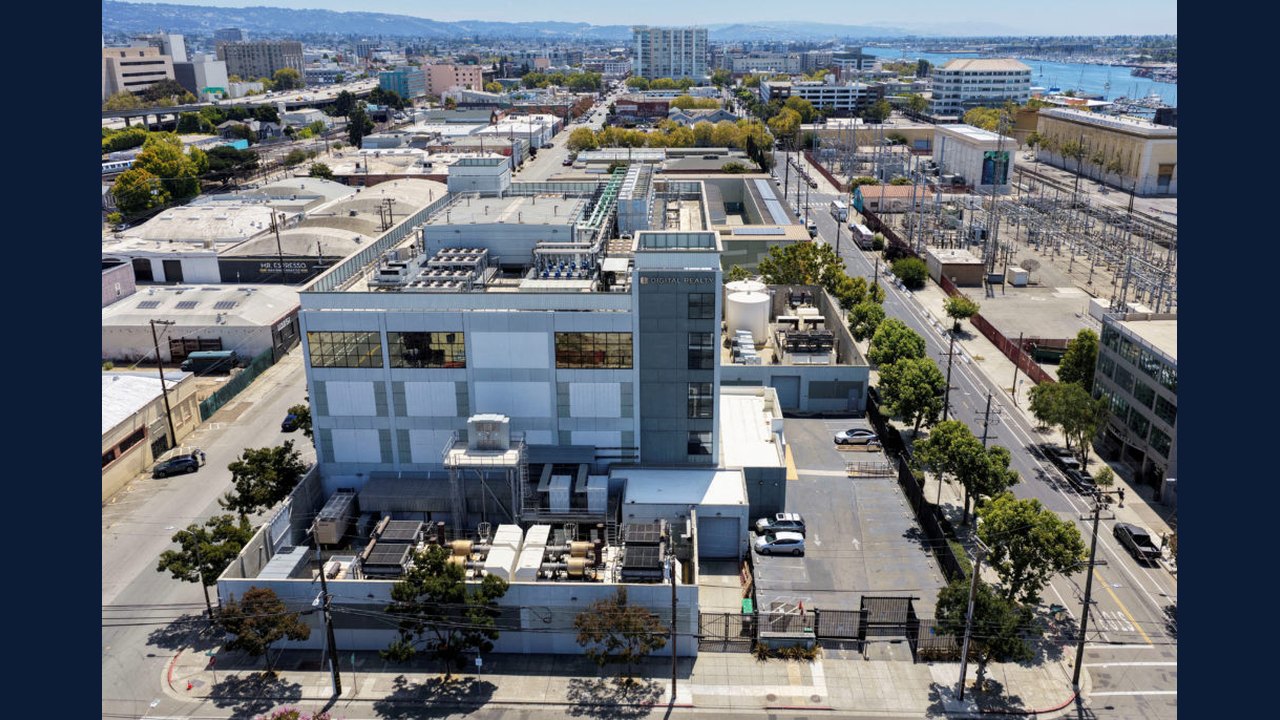 Harvard Study Links U.S. Data Centers to Massive Carbon Emissions
 U.S. Data Centres Produced More Emissions Than Denmark in a Year, Harvard Study Finds