Hyperscale Data Centers Now Consume Estimated 2% of US Electricity
· GlobeWire Daily Science Desk · Source: arstechnica.com
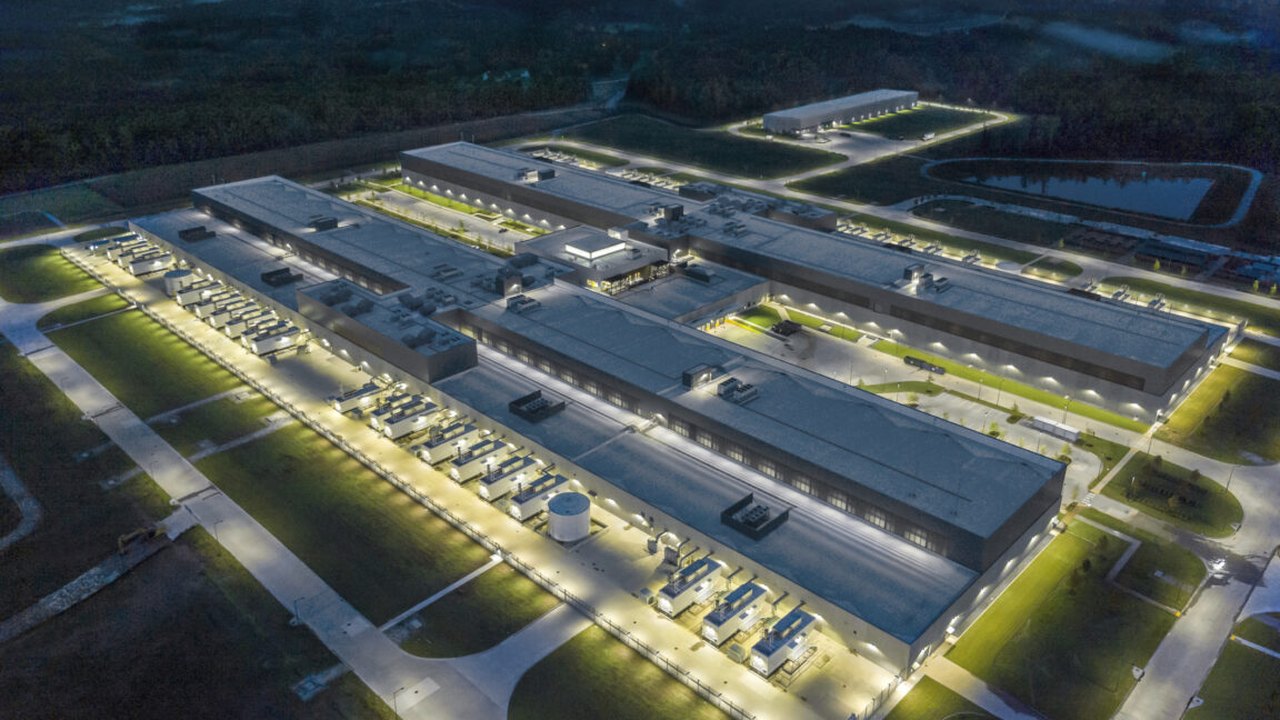
Image: Ars Technica · Photo source · Resized and letterboxed to 16:9; no AI generation
Energy Consumption Study
A recent study published in *Nature Sustainability* provides a benchmark for the energy footprint of hyperscale data centers in the United States. Analyzing data from May 2024 to April 2025, researchers estimated that 403 tracked facilities consumed between 68 and 99 terawatt-hours of electricity. This range accounts for approximately 1.5% to 2.2% of total US electricity consumption, a figure comparable to the annual usage of entire states like Indiana or Wisconsin.
Methodology and Limitations
To reach these figures, the research team identified 675 potential facilities through satellite imagery, industry reports, and news. After verifying electrical and cooling capabilities, the list was narrowed to 403 data centers. Key factors influencing the estimates include:
- Capacity Uncertainty: Conventional data centers typically operate at 48% of capacity, while AI-focused workloads may reach 70%.
- Exclusions: The study excluded 272 facilities where electrical capacity could not be confirmed, making this a conservative estimate.
- Scope: The analysis does not isolate AI-specific energy usage from traditional data services.
Emissions and On-site Power
The study attributes 21 to 31 million metric tons of CO2 emissions to these facilities. Approximately 54% of their energy originates from fossil fuels, predominantly natural gas, while renewables and nuclear power account for 25% and 21% respectively.
Notably, the findings do not fully account for "behind-the-meter" on-site power generation. Industry trackers note a rise in on-site generation, such as natural gas turbines, since early 2025. Because these local sources are often less efficient than grid power, they may produce 60% to 80% more greenhouse gas emissions for the same electricity output. Readers can verify these details and methodology via the DOI: 10.1038/s41893-026-01985-7.
AI-assisted reporting; source claims are attributed and have not been independently verified.
More to read
 US Hyperscale Data Centers Match Michigan's Annual Electricity Consumption, Study Finds
 Study Reveals Hyperscale Data Centers Carbon Footprint Rivals Denmark
 Rural Data Centers Prepare for New Federal Tax Benefits Under Expanded Program
 Data Centers Could Threaten US Climate Progress With Rising Fossil Fuel Demand