Warming Faster Than the Planet: How Climate Change is Reshaping the Arctic Village of Longyearbyen
· GlobeWire Daily Climate Desk · Source: www.theguardian.com
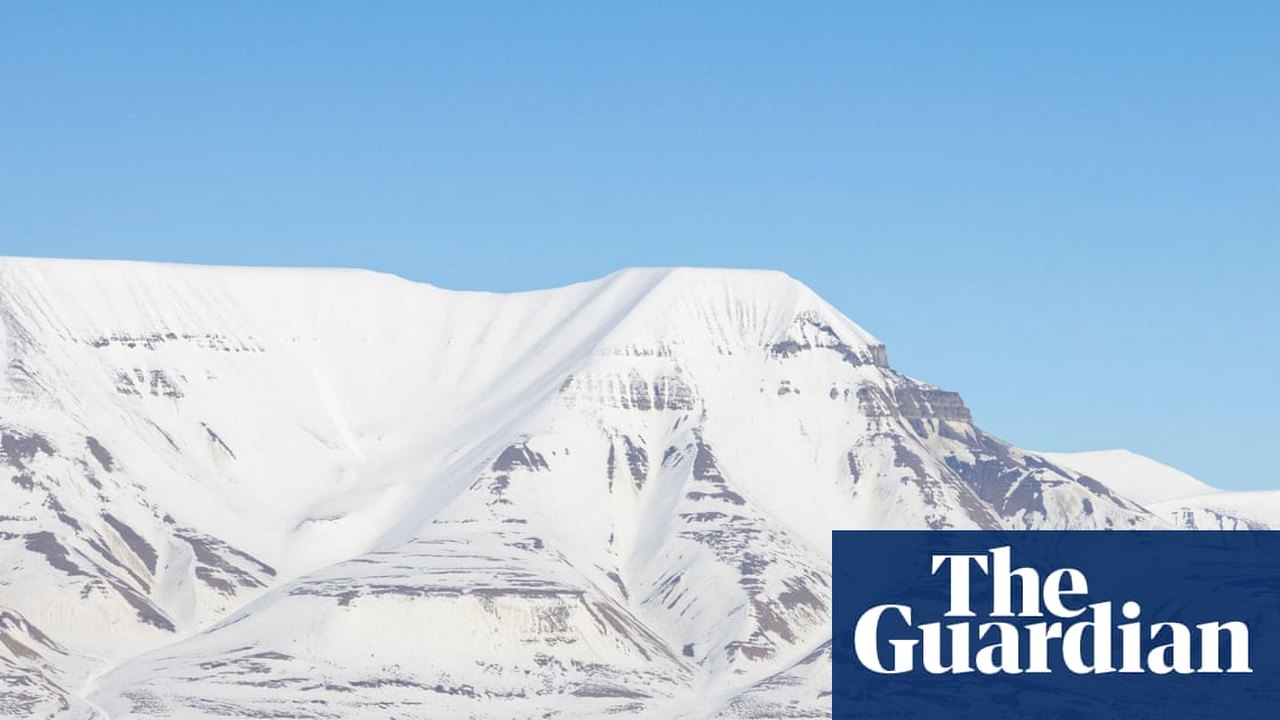
Image: www.theguardian.com — Creative Commons
Introduction to Rapid Arctic Warming
On the remote Arctic archipelago of Svalbard, temperatures are rising up to seven times faster than the global average, making the region one of the fastest-warming places on Earth. Glaciers cover 57% of the landmass, but local features such as the Foxfonna glacier are thinning at rates between 1 and 4 meters a year. Glaciologists note that the glacier is no longer accumulating snow, and precipitation increasingly falls as rain. Across the islands, large glacial fronts extending into the sea are retreating rapidly, with 10 retreating entirely onto land over a two-year period.
Longyearbyen, a settlement of 2,600 inhabitants nestled in a steep valley at a latitude of 78 degrees north, serves as a prominent outpost for Arctic science and tourism. While its residents are accustomed to extreme conditions—including winter temperatures dropping to -20C and more than 100 days of winter darkness—they are now confronting unprecedented environmental pressures that scientists view as a warning for other high-latitude regions.
Permafrost Thaw, Infrastructure, and Water Contamination
The most visible impacts stem from the thawing of permafrost, ground that previously remained frozen year-round. This thaw has triggered structural instability, causing landslides, damaged building foundations, and cracked walls that have rendered certain homes uninhabitable and exacerbated a local housing shortage.
In addition to housing and geological stability concerns, residents received warnings against drinking from their tap water. Heavy metals from the local bedrock have leached into the water supply due to changing environmental conditions. Consequently, inhabitants now collect water from a central filtered tank located in the village supermarket while municipal authorities investigate long-term solutions.
Mayor Terje Aunevik noted that purifying the entire water supply primarily for drinking uses excessive energy, prompting discussions about splitting future water infrastructure into separate systems for drinking and grey water. Architects are also rethinking foundational engineering, as traditional wooden construction rots faster in the warmer conditions, and anchoring buildings directly into bedrock requires specialized techniques to prevent ground movement from pushing structures upward.
Avalanche Safety and Adaptation Measures
Climate shifts have also increased avalanche risks, shifting precipitation patterns from dry snow to rain and strong winds. Following a fatal avalanche in December 2015 that buried nine people and claimed two lives, the community established the Unis Arctic Safety Centre (ASC) to focus on hazard management.
Mitigation measures have since been installed on Mount Sukkertoppen, including snow fences to limit drift and a barrier wall of avalanche traps. Furthermore, local tour operators have had to adapt standard practices; snowmobile routes have been moved miles outside the village to locate reliable snow cover, and the governor of Svalbard is introducing a new tour guide approval system by 2027 to assess evolving climate risks.
Practical Implications and Reader Verification
- Confirmed Facts: Temperatures in Svalbard are rising significantly faster than the global average. Thawing permafrost has caused structural damage to homes and bedrock heavy metal leaching into the tap water supply, leading to water distribution via supermarket tanks. Avalanche mitigation structures have been installed following historical events.
- What Remains Uncertain: The long-term engineering methods required to permanently stabilize building foundations against permafrost thaw are still being tested and debated by architects and scientists.
- Reader Verification: Readers can review original reporting and updates on environmental shifts in Svalbard through the Guardian's environmental coverage or official statements from local authorities in Longyearbyen and the University Centre in Svalbard (UNIS).
Original reporting and detailed accounts of these developments can be verified via [The Guardian](https://www.theguardian.com/environment/2026/oct/21/norway-svalbard-environment-longyearbyen-climate-heating-glacier-permafrost).
AI-assisted reporting; source claims are attributed and have not been independently verified.
More to read
 New Study Attributes Record 50,000 Summer Heat Deaths in European Cities to Climate Breakdown
 California Hit by Historic High Tides as State Enters 'Extreme Territory'
 Conservation Group Raises Almost $20m to Protect Critical Far North Queensland Cattle Station
 Reframing Climate Policy Around Energy Justice and National Well-Being, Analysts Argue
Trending on GlobeWire Daily
Selected from recent coverage and related topics; not live search rankings.
 France Pledges to Replace Parcoursup Admissions System by 2028 Amid Student Protests
 Paris Jackson Sues Michael Jackson Estate Over Executor Compensation, Seeks Reduction Amid Disclosure Dispute
 BioWare Studio Closure Marks the End of an Era After More Than 30 Years in Gaming
 Stigmatized 'Jiko Bukken' Properties Draw Bargain Hunters in Japan Amid Rising Costs
 Nintendo Switch Software Landscape Highlights Timeless Classics Amid Upcoming Hardware Transition
 Liverpool Extends Penalty Dominance Over Chelsea to Reach Carabao Cup Quarter-Finals