Clean Energy Drove China’s Economic Growth in 2023, Analysis Shows
· GlobeWire Daily Editorial Desk · Source: www.carbonbrief.org
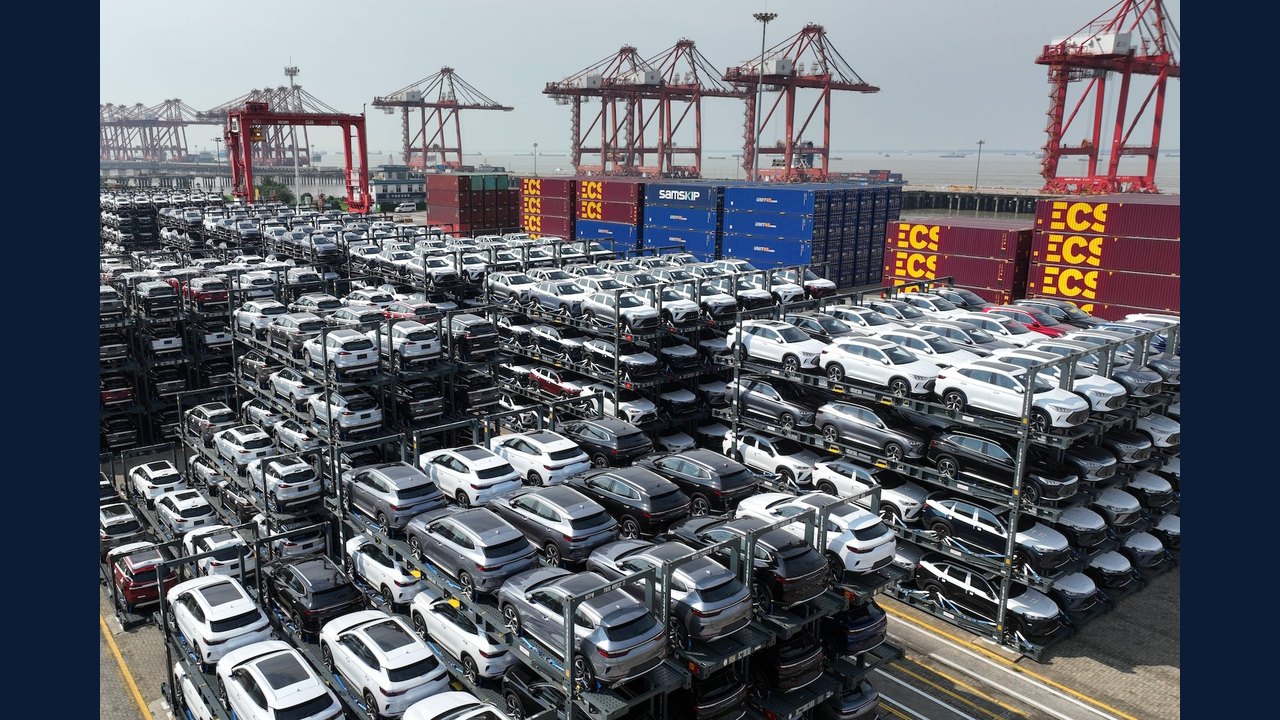
Image: Lauri Myllyvirta · Photo source · Resized and letterboxed to 16:9; no AI generation
A sector-by-sector analysis based on official figures, industry data, and analyst reports indicates that clean energy was the primary driver of China’s economic growth in 2023. The findings show that clean-energy sectors contributed a record 11.4 trillion yuan ($1.6 trillion) to the economy, accounting for roughly 40% of the total GDP expansion.
Official and industry figures analyzed for Carbon Brief highlight a significant surge in investments and production across renewables, electric vehicles (EVs), and storage infrastructure, offsetting contractions in other areas of the economy.
Key Findings on Clean Energy Growth
- Investment Surge: Clean-energy investment rose by 40% year-on-year to reach 6.3 trillion yuan ($890 billion), accounting for all of the net investment growth across the Chinese economy in 2023.
- GDP Contribution: Clean-energy sectors contributed 11.4 trillion yuan ($1.6 trillion) in total economic value, representing about 9% of China's GDP.
- Growth Target Impact: Analysts calculate that without the contribution from clean energy, China's GDP growth would have reached only 3.0% rather than the officially recorded 5.2%, missing government targets.
- The 'New Three': Solar power, lithium-ion batteries, and electric vehicles spearheaded the expansion, driven by manufacturing capacity increases and government policy initiatives.
Sector Breakdown and Infrastructure
- Solar Power: Solar led growth with massive manufacturing expansions and installation initiatives, including distributed solar programs. Capacity additions surged significantly compared to previous years.
- Electric Vehicles: EV production reached 9.6 million units, representing 32% of total vehicle production, while domestic sales and exports both experienced substantial increases despite the phase-out of national purchase subsidies.
- Storage and Grids: Pumped hydro, battery storage, and transmission line investments scaled up rapidly to integrate variable wind and solar power into the national grid.
Practical Implications and Verification
This economic pivot reflects a strategic shift away from the contracting real-estate sector toward advanced manufacturing and clean technologies. While this bolsters China's domestic climate goals and industrial policy, it also introduces questions for global policymakers regarding industrial competition and overcapacity.
To verify these findings, readers and analysts can consult primary government releases from the National Bureau of Statistics (NBS) of China, reports from the International Energy Agency (IEA), and industry association datasets such as those from the China Photovoltaic Industry Association.
AI-assisted reporting; source claims are attributed and have not been independently verified.
More to read
 Global Clean Energy Surge: Why China Outpaced the US Amid Geopolitical Shifts
 UK Economic and Fiscal Outlook Points to Persistent Growth Challenges and Rising Energy and Interest Rate Pressures
 UK Government Publishes National Plan Targeting Over 400,000 Clean Energy Jobs by 2030
 Monsoon Wind Opens New Chapter in Laos Clean Energy Development