Global Clean Energy Surge: Why China Outpaced the US Amid Geopolitical Shifts
· GlobeWire Daily Editorial Desk · Source: finance.biggo.com
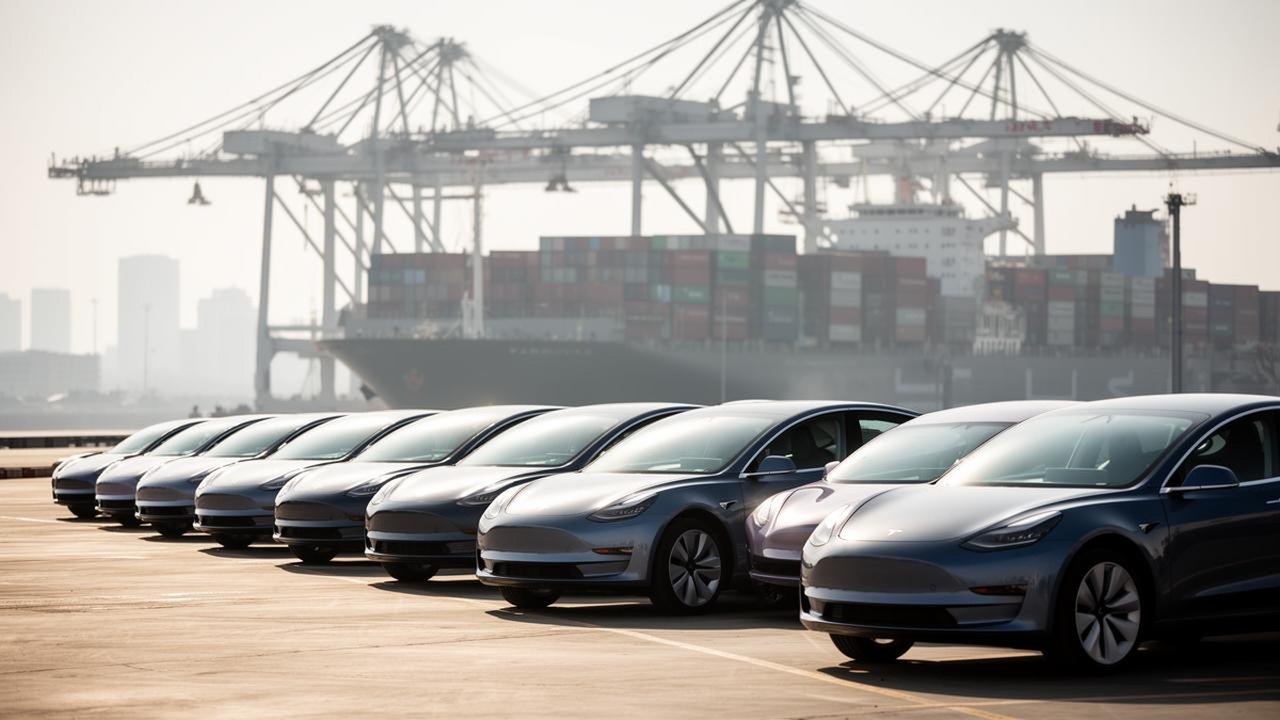
Image: BigGo Finance · Photo source · Resized and letterboxed to 16:9; no AI generation
The Shift in Clean Energy Trade
Recent analysis from BloombergNEF suggests a significant correlation between global geopolitical tensions and the rapid acceleration of Chinese clean-energy exports. Data indicates that monthly exports of batteries, solar panels, and electric vehicles (EVs) from China climbed from an average of $15 billion to roughly $21 billion following the onset of the US-Israel conflict with Iran. Experts note that while policy shifts account for some variance, the sustained growth points to robust global demand.
The Divergence in EV Strategy
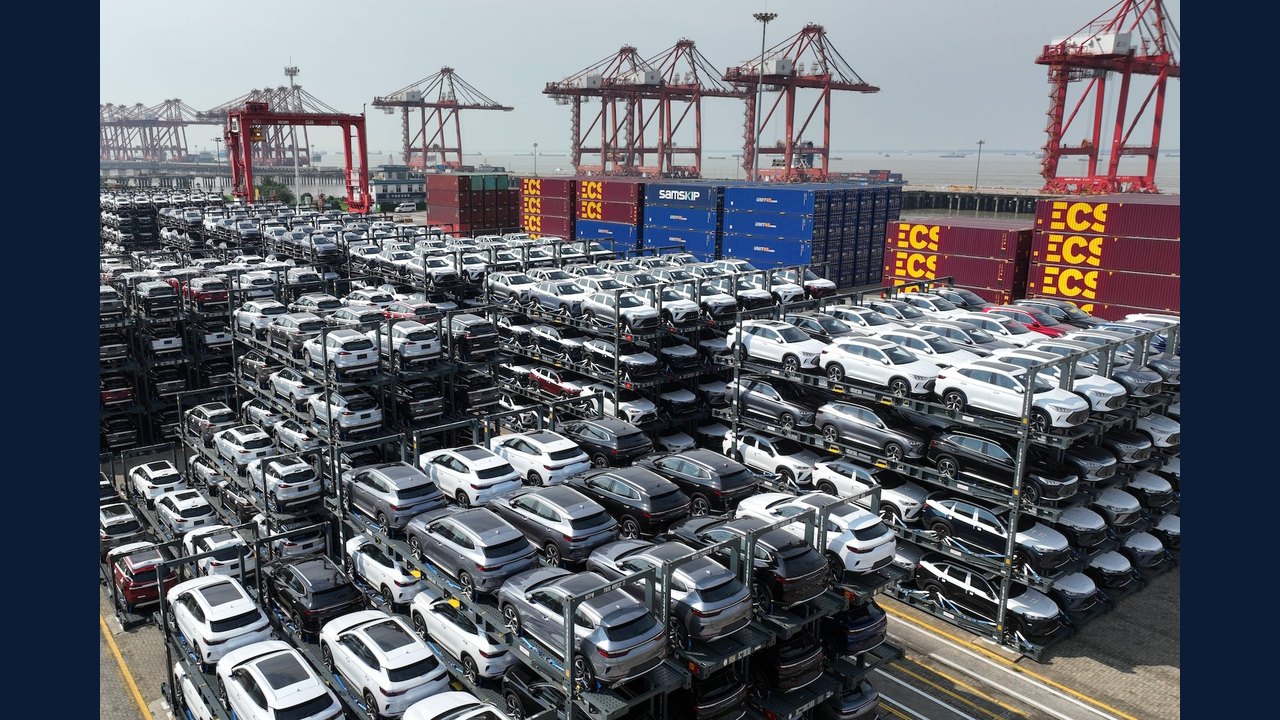
- China's Dominance: Roughly 60% of new car sales in China are now electric or plug-in hybrids. The nation has transformed into the world's leading auto exporter, with brands like BYD gaining significant market share in regions like Brazil.
- The US 'Walled Garden': The US automotive sector faces challenges due to fluctuating policy and high vehicle sticker prices. Despite protectionist measures, such as 100% tariffs on Chinese vehicles, domestic manufacturers like GM and Ford struggle to compete on price and innovation compared to their international counterparts.
- Used EVs: A notable, often overlooked segment in the US is the growing availability of used electric vehicles, which may provide a more accessible entry point for consumers.
Future Outlook
Despite political efforts to slow the transition in the US, analysts expect record deployment of renewable energy in 2026, driven largely by the power needs of AI and data centers. The long-term challenge remains structural: whether US automakers can develop affordable, globally competitive vehicles before domestic consumer pressure mounts for access to affordable, tech-forward imports.
Verification of these trends can be found in official export trade statistics and BloombergNEF market research reports.
AI-assisted reporting; source claims are attributed and have not been independently verified.
More to read
 Clean Energy Drove China’s Economic Growth in 2023, Analysis Shows
 UK Government Stresses Clean Energy Security Amid Global Fossil Fuel Shocks
 Statehouse Election Shifts Give Democrats New Path for Clean Energy Policies
 UK Government Publishes National Plan Targeting Over 400,000 Clean Energy Jobs by 2030