NASA Launches 'Galaxy of Horrors' Campaign Highlighting Extreme Cosmic Destinations
· GlobeWire Daily Editorial Desk · Source: science.nasa.gov
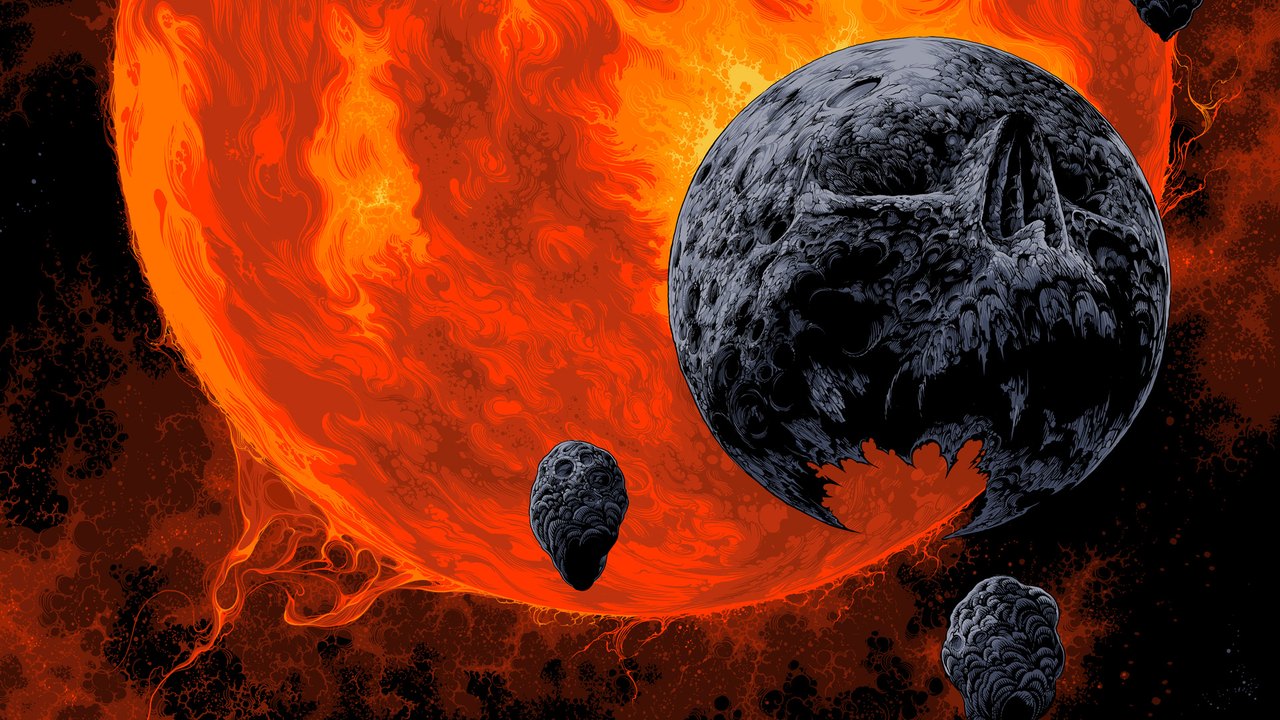
Image: NASA Science · Photo source · Resized and letterboxed to 16:9; no AI generation
Exploring the Universe's Most Extreme Worlds
NASA has released its themed 'Galaxy of Horrors' collection, inviting space enthusiasts to explore some of the most extreme, unusual, and hostile environments discovered in our galaxy and beyond. According to the published materials, the digital campaign features interactive experiences and downloadable posters inspired by real scientific data.
Highlights of the Cosmic Tour
The showcase highlights several notable astronomical phenomena and exoplanets with extreme weather and orbital conditions:
- HD 80606 b: Known for its extreme, highly elliptical orbit, this planet experiences severe atmospheric turbulence, including supersonic winds and shockwave storms as it swings close to its host star.
- Cygnus X-1: Located approximately 6,000 light-years from Earth, this massive black hole is featured as one of the galaxy's prominent gravitational phenomena.
- HD 189733 b: Described as having hostile weather conditions, this exoplanet features high-velocity winds that drive silicate particles horizontally across the atmosphere.
- AU Microscopii and AU Mic b: Highlighted as one of the youngest observed planetary systems, where the central star subjects its orbiting planet to intense X-ray blasts and radiation.
- Pulsar Planets (Poltergeist, Phobetor, and Draugr): These worlds orbit remnants of dead stars known as pulsars and are continuously exposed to steady radiation.
- Kepler-70b: Noted for its exceptionally high temperatures, estimated around 12,000 degrees Fahrenheit, following a history of close interaction with its former star.
- TrTrES-2 b: Recognized as an extremely dark exoplanet that reflects less light than coal, combined with high atmospheric temperatures.
Dark Energy and Dark Matter
Beyond specific exoplanets, the educational series touches on broader cosmological concepts. It discusses the ongoing study of dark energy, the mysterious force driving the accelerated expansion of the universe, and dark matter, which forms an invisible cosmic web detected primarily through its gravitational effects.
How to Access and Verify
Space enthusiasts and educators can access the original digital posters, interactive elements, and educational resources directly through the official NASA Exoplanet Exploration website. All featured locations are based on documented astronomical findings and ongoing research supported by space telescopes and astrophysical observations.
AI-assisted reporting; source claims are attributed and have not been independently verified.
More to read
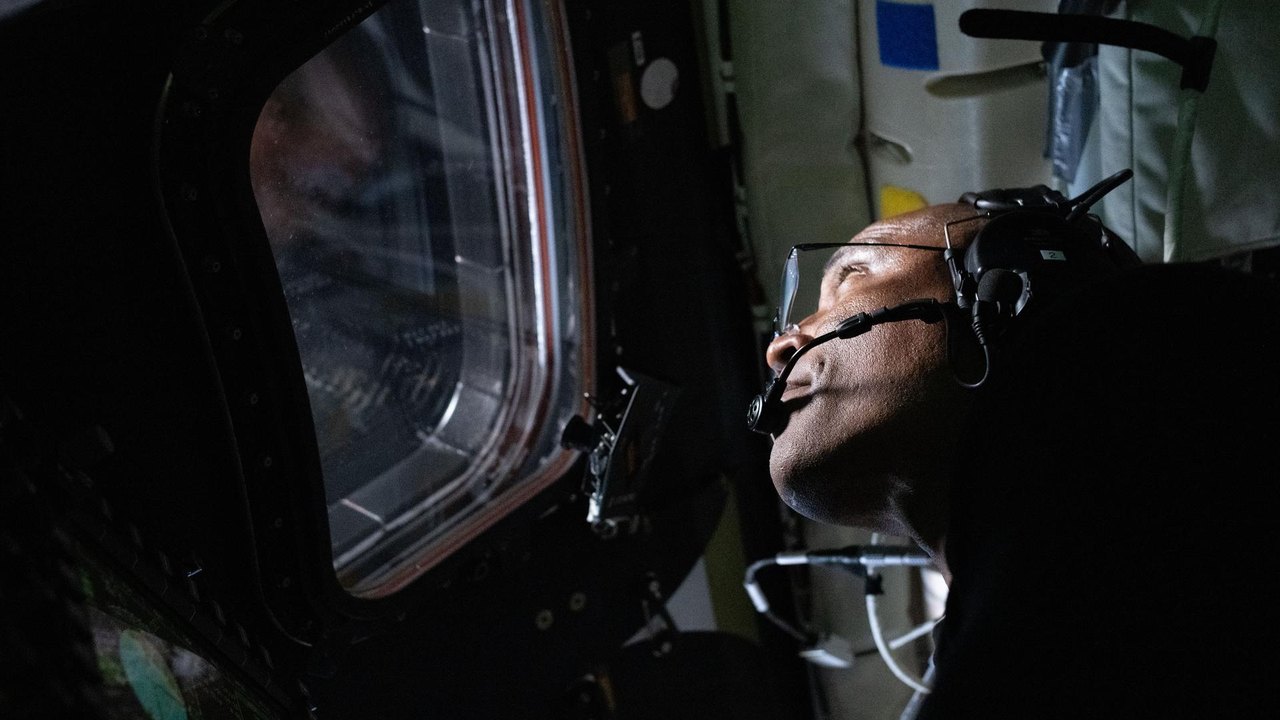 NASA Releases Preliminary Artemis II Lunar Science Report Highlighting Crew Observations and Deep-Space Data
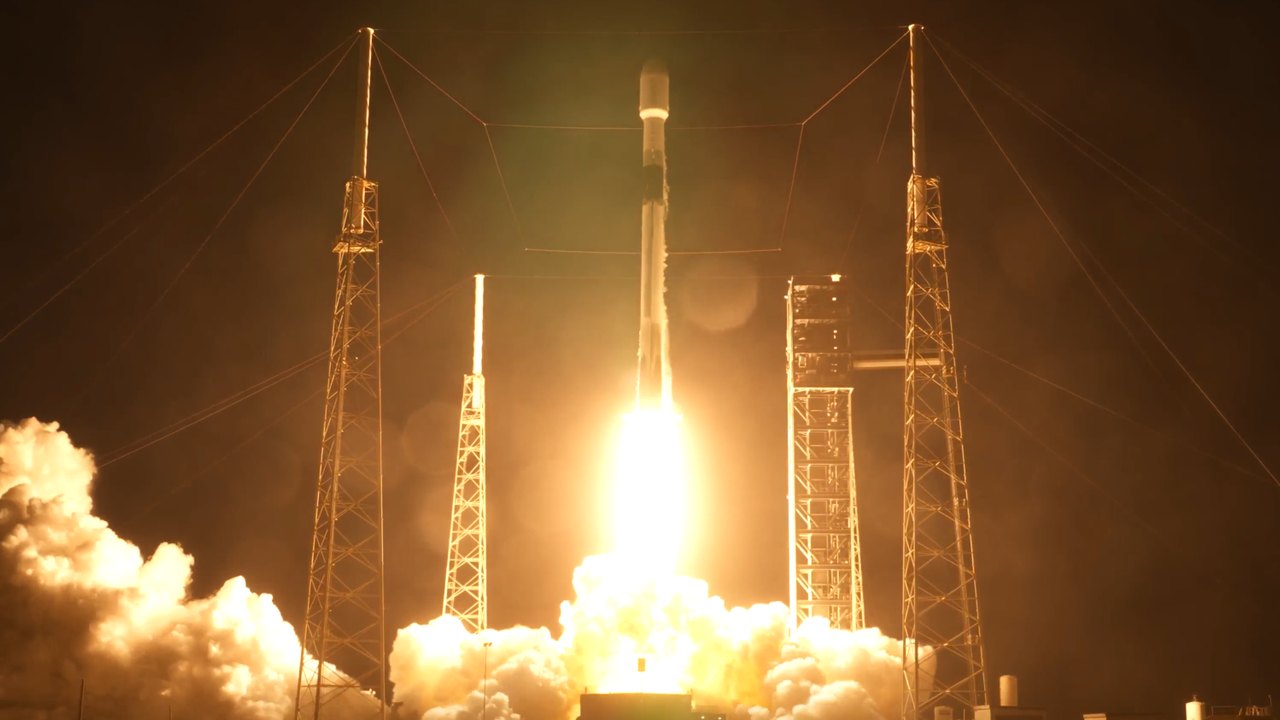 NASA Launches Commercial Satellite Communication Tests to Modernize Space Data Relays
 Gadgets News: Samsung Galaxy A08 Launched With 6000mAh Battery, Motorola Signature 27 Teased
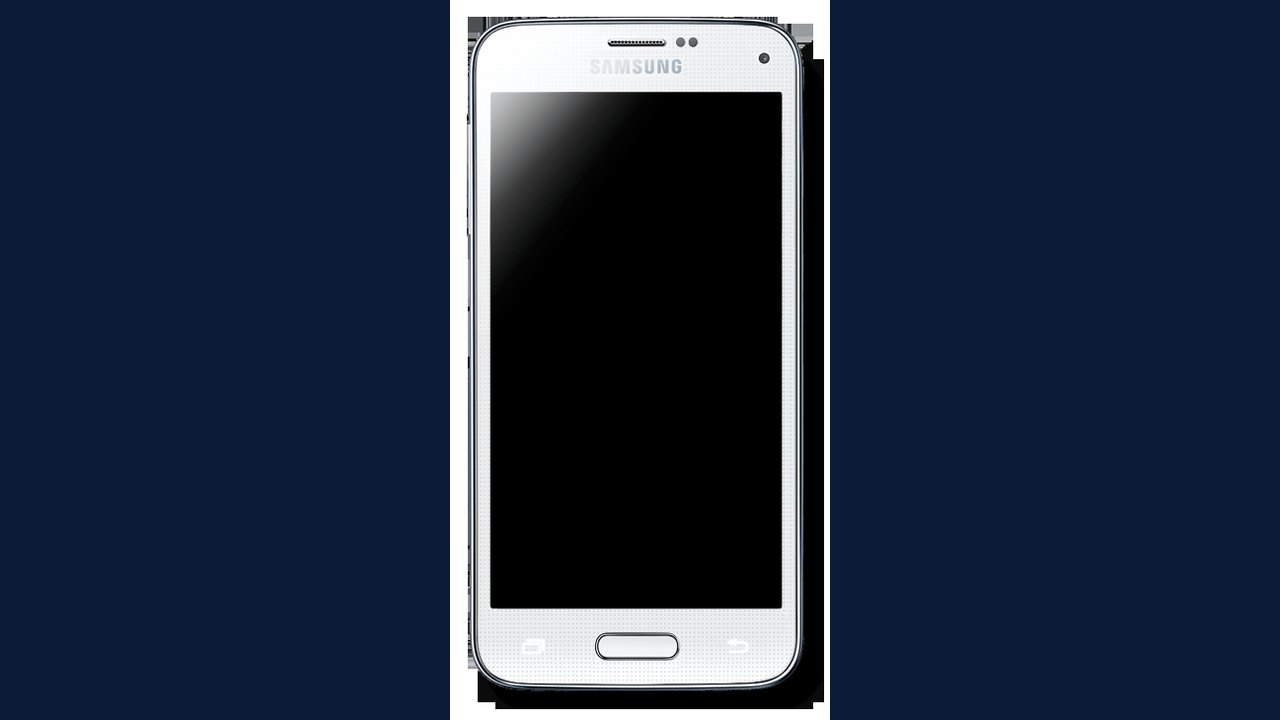 Samsung Galaxy S5 Mini: Specifications & buying guide
Related coverage
Related reporting available at publication.
NASA Releases Preliminary Artemis II Lunar Science Report Highlighting Crew Observations and Deep-Space DataNASA Launches Commercial Satellite Communication Tests to Modernize Space Data RelaysGadgets News: Samsung Galaxy A08 Launched With 6000mAh Battery, Motorola Signature 27 TeasedSamsung Galaxy S5 Mini: Specifications & buying guide Indian Government Issues High-Severity Security Warning for Apple Devices
 BlackBerry Passport: Specifications & buying guide