NASA Releases Preliminary Artemis II Lunar Science Report Highlighting Crew Observations and Deep-Space Data
· GlobeWire Daily Science Desk · Source: science.nasa.gov
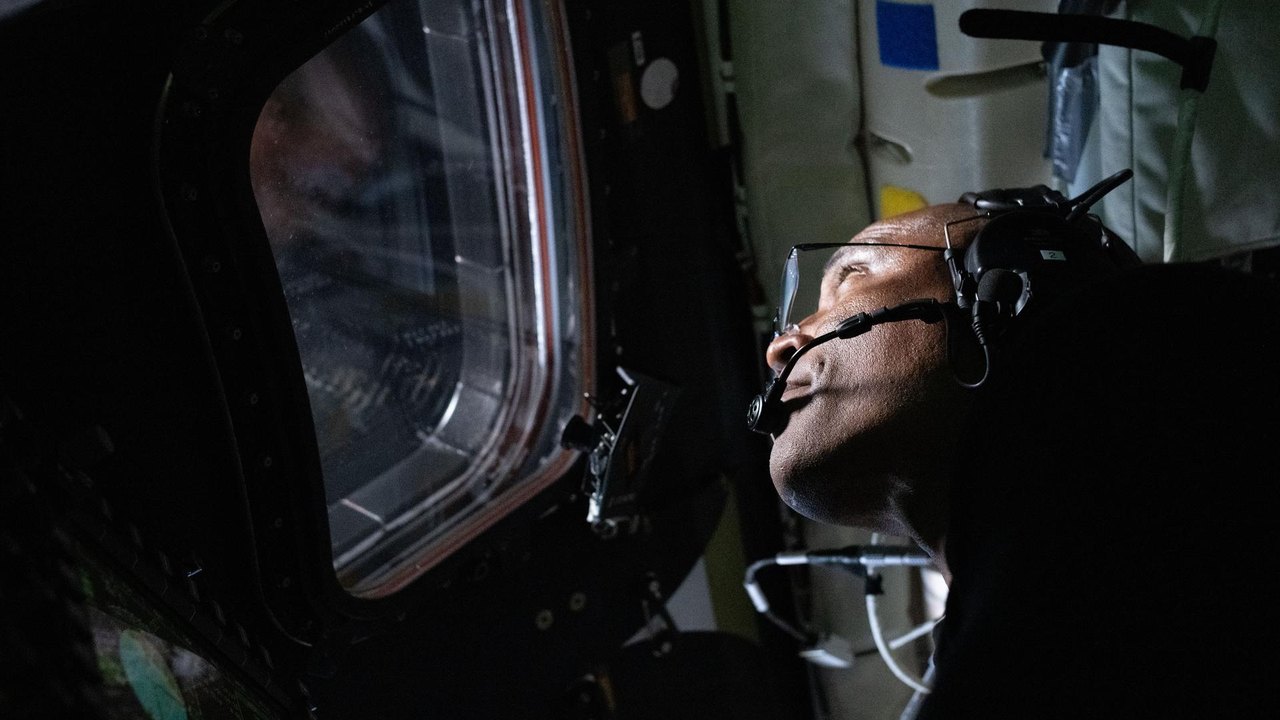
Image: science.nasa.gov — Creative Commons
NASA has released the official preliminary science report from the Artemis II mission, cataloging a unique dataset compiled by the four-person crew during their journey around the Moon. The findings include astronaut observations of impact flashes on the lunar surface, detailed logs of lunar topography, and comprehensive imagery captured during a nearly hour-long total solar eclipse.
The released materials—featuring photographs, spoken observations, drawings, and annotated tablet screenshots—provide researchers with new context on lunar geology, lighting conditions, and the sun's outer atmosphere.
Observing Lunar Impact Flashes and Geology
As part of the mission's science plan, the Artemis II crew monitored the lunar surface for impact flashes caused by small debris colliding with the Moon. Operating on the far side of the Moon during a planned communications blackout, astronauts observed five extremely faint bursts of light. Scientists subsequently ruled out cosmic rays and spacecraft reflections to confirm the sightings.
According to the science team, the incoming projectiles were estimated to be no more than a couple of inches wide but traveled at thousands of miles per hour. Because the Moon lacks an atmosphere to slow or burn up incoming debris, objects strike the surface unimpeded. The nearly hour-long total solar eclipse experienced by the crew provided dark conditions ideal for spotting the faint flashes, yielding data that will help researchers assess risks to future lunar infrastructure.
Additionally, the crew documented muted color variations across the lunar surface, noting blues indicating titanium-rich volcanic rocks, browns reflecting varying iron levels, and greens signaling glass from ancient volcanic eruptions or asteroid impacts. These observations help scientists understand how human perception of color shifts under changing solar angles, a critical factor for navigation and future exploration near the lunar South Pole.
Unprecedented Views During the Solar Eclipse
During the mission, the Orion spacecraft passed behind the Moon, resulting in a total solar eclipse lasting approximately 54 minutes. With the Sun completely obscured, the crew utilized handheld cameras and visual observations to study features normally drowned out by solar glare.
Astronauts documented the sun's faint outer atmosphere, or corona, observing plasma streamers and structures that drive space weather. The extended darkness also allowed the crew to image deep-sky objects, including the Milky Way, nearby nebulae, distant galaxies, and zodiacal light—a faint glow produced by sunlight reflecting off interplanetary dust.
Practical Implications and Verification
The publication of the Artemis II Preliminary Lunar Science Report serves as a handoff between flight operations and planetary researchers on Earth. By combining astronaut audio descriptions with photographic and telemetry data, researchers can better interpret lunar topography and lighting dynamics.
Readers and researchers interested in verifying the raw data can access the complete suite of reports, audio logs, and imagery through the official NASA Planetary Data System and the Artemis blog. Amateur astronomers and space enthusiasts can also contribute to related research by participating in global networks that monitor lunar impact events from Earth.
AI-assisted reporting; source claims are attributed and have not been independently verified.
More to read
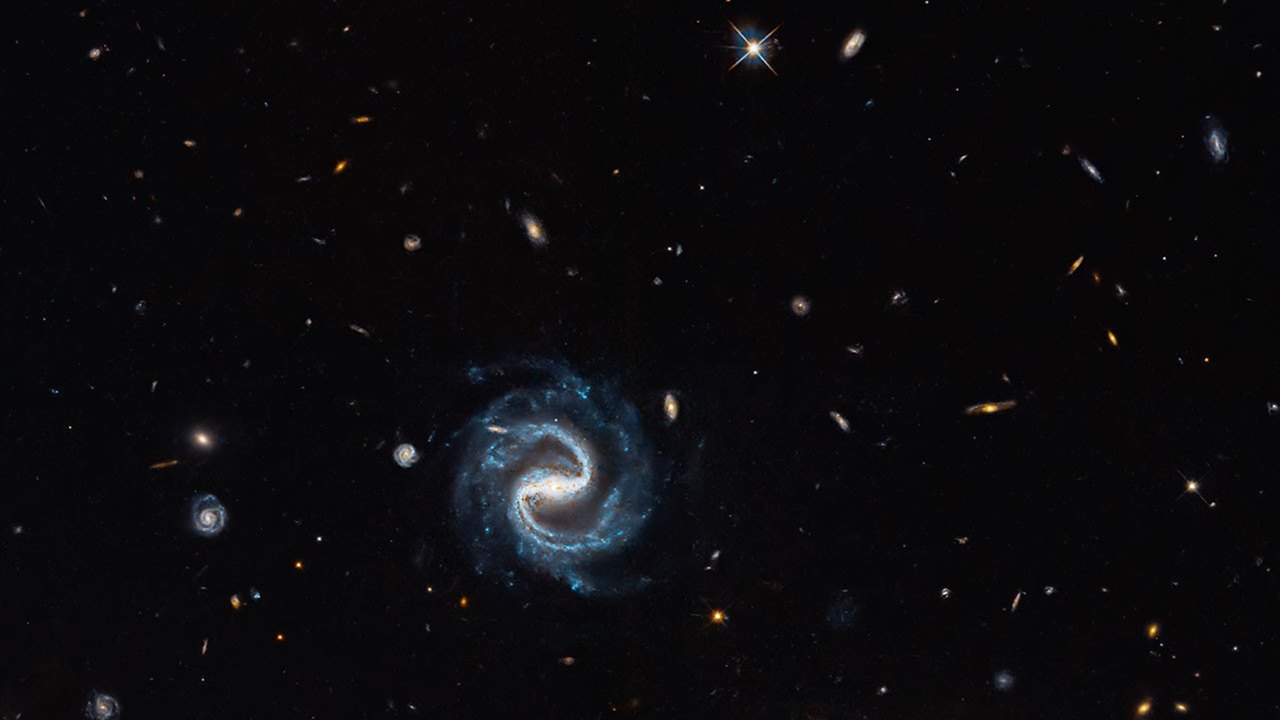 NASA's Hubble Space Telescope Lays Groundwork for Future Roman Space Observations
 How Robotic-Assisted Surgery Aims to Improve Safety in Living-Donor Kidney Transplants
 Consistent Blood Pressure Med Use Cuts Heart Attack, Stroke Risk by 11%, Study Finds
 Uncovering Joseph Bell: The Real-Life Scottish Surgeon Who Inspired Sherlock Holmes
Trending on GlobeWire Daily
Selected from recent coverage and related topics; not live search rankings.
 Fintech Firm FatakPay Announces Search for Compliance Manager in Mumbai
 Exploring Private Sector Job Listings in India: Recent Openings and Roles
 Assam Announces VFA Recruitment 2026 for 200 Veterinary Field Assistant Posts: What You Need to Know
 Archival Review Highlights Past Samsung Announcements in India from June 2016
 India’s Record Asian Para Games Finish and New Rail Infrastructure Highlight Key October 24 Developments
 Yeastar Announces Yeahs Awards 2026 Winners Highlighting AI and Partner Innovations