How Robotic-Assisted Surgery Aims to Improve Safety in Living-Donor Kidney Transplants
· GlobeWire Daily Science Desk · Source: news.abplive.com
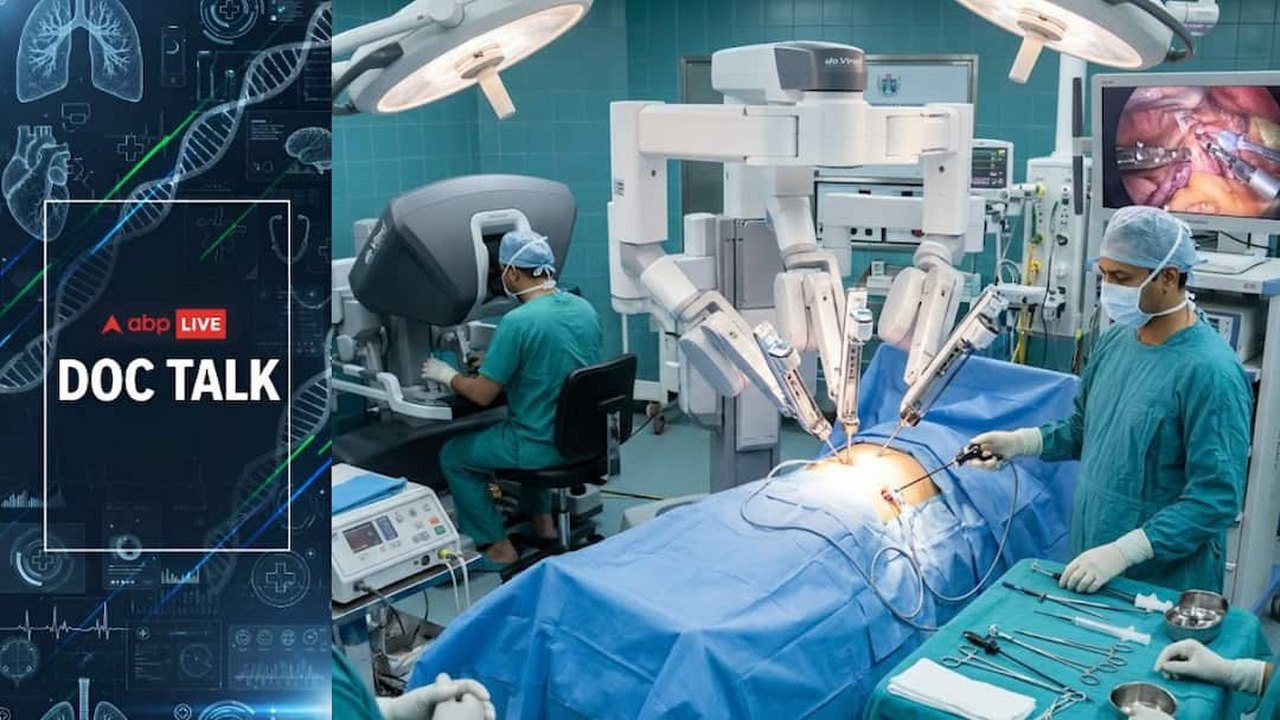
Image: Dr Mohan Keshavamurthy — Creative Commons
Living-donor kidney transplants require balancing the critical needs of a recipient with the health and safety of a healthy donor. In medical environments where the demand for organs heavily relies on living donors, modern surgical techniques continue to evolve to minimize physical disruption and streamline recovery for both parties involved.
Medical perspectives highlighted in recent expert commentary discuss the application of robotic-assisted systems, such as the da Vinci surgical platform, in managing complex transplant procedures.
The Role of Robotic-Assisted Surgery in Complex Cases
For recipients, kidney transplantation offers potential freedom from long-term dialysis and dietary restrictions. However, recovery can be complicated by factors such as obesity, prior abdominal surgeries, or altered patient anatomy.
According to clinical observations, robotic platforms provide three-dimensional visualization, articulated instruments, and tremor filtration. These features allow surgeons to execute precise dissections and suturing within confined spaces through smaller incisions. By minimizing trauma to surrounding tissues, the approach aims to reduce wound-related complications and assist early physical recovery.
Clinical discussions emphasize that technology should not drive the surgical choice independently. Instead, decisions must depend on thorough individual assessments of the recipient’s condition, donor organ quality, and the overall expertise of the transplant team.
Prioritizing Donor Safety and Experience
Because living donors undergo major surgery purely for the benefit of another individual, medical teams highlight a distinct ethical and clinical obligation to protect donor well-being. Robotic-assisted donor nephrectomy offers a minimally invasive method for organ removal, potentially reducing postoperative discomfort and helping donors return to normal routines more quickly. While technology alone cannot change the emotional or social factors influencing donation decisions, reducing the physical burden of surgery can help alleviate anxiety for families.
Infrastructure, Training, and Outcomes
Establishing a safe robotic transplantation program requires more than advanced hardware. Hospitals must develop robust multidisciplinary teams comprising trained surgeons, anesthetists, nephrologists, and critical-care specialists operating under strict protocols. Structured mentorship and comprehensive training remain essential, as transplantation demands high consistency and precision.
Furthermore, medical experts stress the importance of tracking long-term outcomes—including surgical complications, graft function, quality of life, and recovery rates—to build reliable clinical evidence.
Practical Implications and Verification
- What is Confirmed: Robotic-assisted systems provide tools like 3D visualization and articulated instruments that aid precision in confined spaces. The primary goals in utilizing these methods are minimizing tissue disruption, supporting donor safety, and addressing complex anatomical challenges.
- What Remains Unknown: The choice between robotic and conventional open surgery depends entirely on individual patient evaluation; the approach is not universally mandated or necessary for every case.
- How to Verify: Readers can review the original expert discussion and medical commentary through the [ABP Live Official Source](https://news.abplive.com/lifestyle/doc-talk-how-robotic-kidney-transplants-can-make-surgery-safer-for-donors-and-recipients-1873817).
AI-assisted reporting; source claims are attributed and have not been independently verified.
More to read
 NASA's Hubble Space Telescope Lays Groundwork for Future Roman Space Observations
 NASA Releases Preliminary Artemis II Lunar Science Report Highlighting Crew Observations and Deep-Space Data
 Consistent Blood Pressure Med Use Cuts Heart Attack, Stroke Risk by 11%, Study Finds
 Uncovering Joseph Bell: The Real-Life Scottish Surgeon Who Inspired Sherlock Holmes
Trending on GlobeWire Daily
Selected from recent coverage and related topics; not live search rankings.
 Fintech Firm FatakPay Announces Search for Compliance Manager in Mumbai
 Exploring Private Sector Job Listings in India: Recent Openings and Roles
 Assam Announces VFA Recruitment 2026 for 200 Veterinary Field Assistant Posts: What You Need to Know
 Archival Review Highlights Past Samsung Announcements in India from June 2016
 India’s Record Asian Para Games Finish and New Rail Infrastructure Highlight Key October 24 Developments
 Yeastar Announces Yeahs Awards 2026 Winners Highlighting AI and Partner Innovations