Uncovering Joseph Bell: The Real-Life Scottish Surgeon Who Inspired Sherlock Holmes
· GlobeWire Daily Science Desk · Source: arstechnica.com
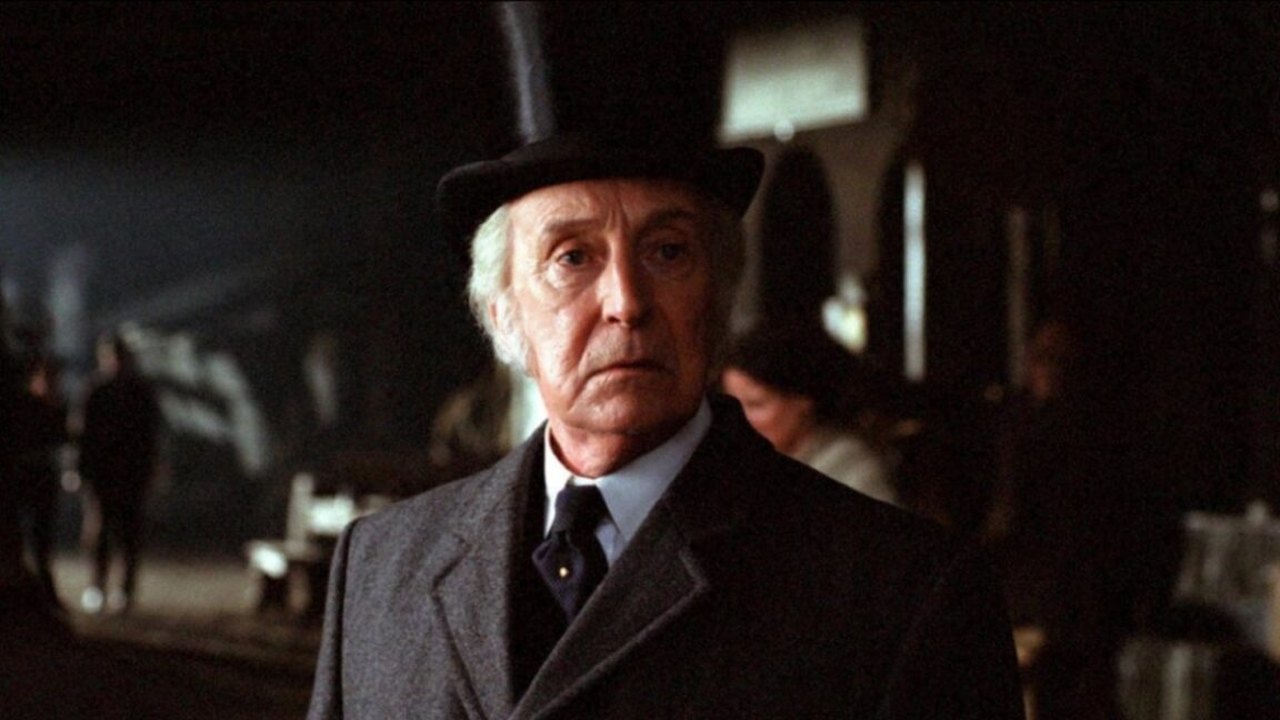
Image: arstechnica.com — Creative Commons
Exploring the Medical History Behind a Literary Icon
Sir Arthur Conan Doyle's fictional detective Sherlock Holmes remains a cultural cornerstone across novels, films, and television. However, the inspiration behind the world's most famous sleuth is rooted in nineteenth-century Edinburgh medical history: Dr. Joseph Bell, a renowned Scottish surgeon who taught Conan Doyle as a medical student.
Medical historian Lindsey Fitzharris explores this connection in her new biography, Sleuth-Hound: The Case of the Real Sherlock Holmes. Fitzharris, known for previous historical works including The Butchering Art and The Facemaker, investigates the complex man behind the myth, contrasting Bell's actual life with the caricature popularized in fiction.
The Real Joseph Bell Versus Sherlock Holmes
While Bell shared Holmes's uncanny observational skills—such as inferring a patient's occupation, habits, and ailments from visual clues alone—his personality diverged sharply from the fictional detective. According to Fitzharris, Bell was a deeply empathetic family man who raised his three children alone after his wife died in childbirth, holding the memory of her throughout his life.
Conan Doyle, who knew Bell primarily in a student-instructor context, seized upon the surgeon's most striking diagnostic parlor trick for his fiction. Contemporaries who knew Bell immediately recognized the parallel; author Robert Louis Stevenson wrote to Conan Doyle questioning if the character was based on "our old friend Joe Bell."
Forensic Medicine and Nineteenth-Century Cases
Beyond inspiring Holmes, Bell operated as a genuine medical detective. He partnered with police surgeon Henry Duncan Littlejohn—a pioneer in fingerprinting and courtroom photography—to investigate high-profile nineteenth-century murder cases in Scotland.
Among the cases examined in Sleuth-Hound are:
- The Jessie King Case: An investigation into a 19th-century "baby farmer" who collected fees from impoverished mothers unable to feed their children, only to murder the infants.
- The Eugene Chantrelle Case: A murder involving opium poisoning where Bell and Littlejohn helped tie the French tutor to the crime. Chantrelle was convicted and hanged, reportedly shouting a reference to Bell from the scaffold.
Fitzharris notes that Chantrelle was also acquainted with Robert Louis Stevenson, making him a reported inspiration for Dr. Jekyll and Mr. Hyde.
Practical Implications and Verification
- Source Material: Sleuth-Hound draws on newly accessible sources, including Joseph Bell's personal diaries—locked away by the family for over a century—alongside court records, letters, and trial transcripts.
- Confirmed Facts: Bell collaborated with police surgeon Henry Duncan Littlejohn on forensic investigations, and contemporaries like Robert Louis Stevenson explicitly linked Bell to Conan Doyle's fictional detective.
- Unknowns: Exact operational details of Bell's shadow-work in early cases remain difficult to fully corroborate due to limited surviving records, relying instead on circumstantial clues and trial testimonies.
- Verification: Readers can verify the historical context, author background, and details of the biography through the original interview published by Ars Technica at [Ars Technica](https://arstechnica.com/science/2026/10/meet-the-real-life-scottish-surgeon-who-inspired-sherlock-holmes/).
AI-assisted reporting; source claims are attributed and have not been independently verified.
More to read
 Consistent Blood Pressure Med Use Cuts Heart Attack, Stroke Risk by 11%, Study Finds
 Startup Atoco Uses Data‑Center Waste Heat to Pull Water from Air with MOF Technology
 Inside the New Mexico Community Neighbors Worrying Over a New Hypersonic Missile Factory
 Massive Antarctic Iceberg A-81 Reaches South Georgia After Years at Sea
Trending on GlobeWire Daily
Selected from recent coverage and related topics; not live search rankings.
 Amrit Skills Development Reports MIS Executive Opening in Delhi
 UK Grants Jackdaw Gasfield Drilling Amid Climate Concerns, While Rosebank Oilfield Faces Potential Rejection
 MP Report Calls for a Nationwide Revamp of Adult Education Amid Decades of Funding Cuts
 HPSC Announces Re-Open Dates for Food Safety Officer Recruitment 2026
 Tamil Nadu Government Awards ₹392 Crore Tender to Provide Free Bicycles to Over 5 Lakh Students
 TuHURA Biosciences Reports Initial Data from Open-Label Study of IFx-2.0 in Metastatic Merkel Cell Carcinoma