Consistent Blood Pressure Med Use Cuts Heart Attack, Stroke Risk by 11%, Study Finds
· GlobeWire Daily Science Desk · Source: news.abplive.com
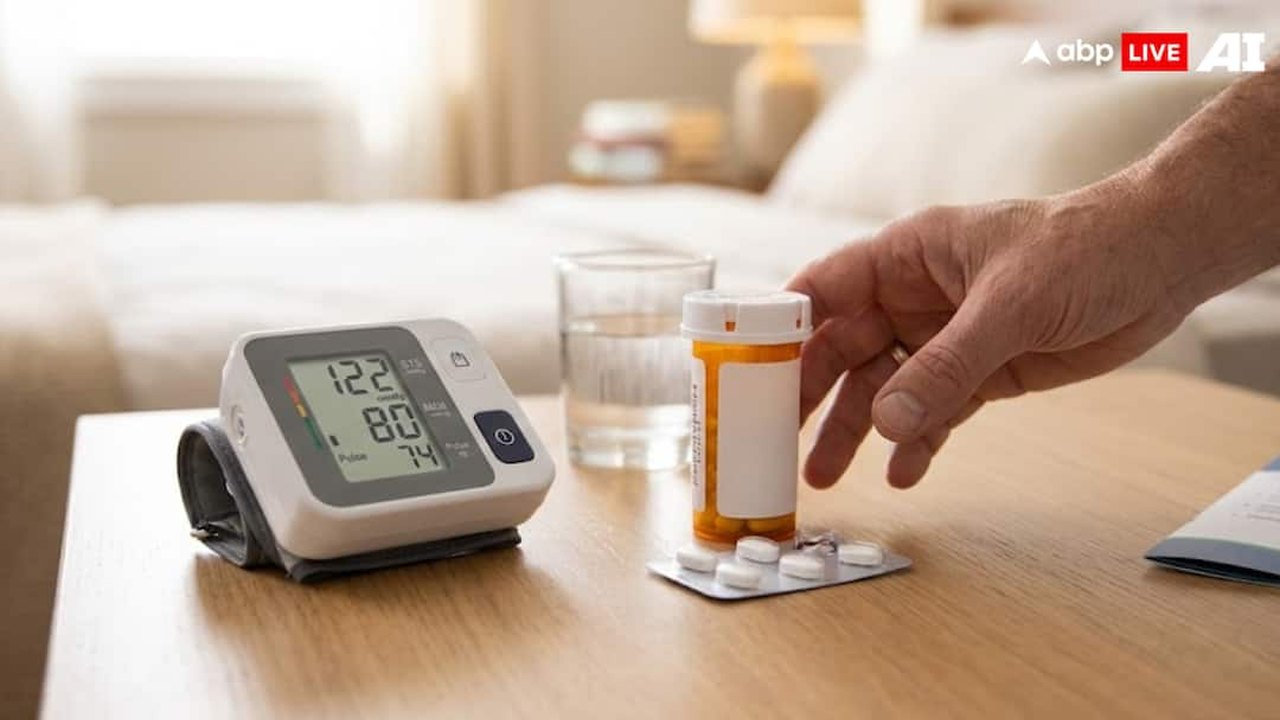
Image: Devyani Nautiyal — Creative Commons
Why Consistent Antihypertensive Treatment Matters
High blood pressure affects roughly 1.4 billion adults worldwide and remains a leading cause of heart attacks, strokes, and other cardiovascular complications. While the benefits of lowering blood pressure are well documented, a new analysis of over 91,000 trial participants shows that the protective effect hinges on how regularly patients take their prescribed medication.
Study Overview
Researchers presented their findings at the ESC Congress 2026 and reported by ScienceDaily. The team examined individual‑patient data from nine randomized clinical trials that compared standard blood‑pressure‑lowering therapy with placebo or less intensive regimens. Participants were grouped by adherence: those who took at least 80 % of their assigned doses were classified as “high adherence,” while those below that threshold were “low adherence.” The analysis aimed to isolate the true impact of medication adherence, free from the confounding factors that often affect observational studies.
Key Findings: Blood‑Pressure Reduction
Among high‑adherence participants, systolic blood pressure was 5.2 mmHg lower than in the comparator groups. In contrast, low‑adherence patients experienced only a 3.0 mmHg reduction. The larger drop in blood pressure directly translates into a measurable decrease in major cardiovascular events.
Cardiovascular Event Reduction
Participants who consistently followed their treatment saw an 11 % lower incidence of major cardiovascular events (including stroke, heart attack, ischaemic heart disease, and heart‑failure hospitalization or death) compared with those who took fewer doses. For the low‑adherence group, the analysis revealed no statistically significant benefit, underscoring that the medication’s protective effect is lost when doses are missed.
Adherence Decline Over Time
Even within the structured environment of clinical trials, adherence waned. The proportion of participants meeting the 80 % threshold fell from 88 % in year 1 to 79 % by year 5. “A decline in adherence over time was apparent, even in the structured setting of trials,” noted Miss Qianqian Yang of the University of Oxford, as quoted by ScienceDaily.
Practical Steps to Improve Adherence
The researchers and ESC communication chair Professor Felix Mahfoud emphasized the need for routine adherence checks and patient‑centered strategies. Suggested approaches include:
- Simplifying dosing schedules (e.g., once‑daily pills)
- Using fixed‑dose combinations to reduce pill burden
- Switching to longer‑acting formulations where appropriate
- Conducting open, non‑judgmental conversations about barriers to taking medication
What This Means for Patients
For anyone prescribed antihypertensive medication, the study reinforces a simple but critical message: taking the medication as directed is essential for reaping its life‑saving benefits. Missed doses not only blunt blood‑pressure control but also eliminate the proven reduction in heart attacks and strokes.
How Readers Can Verify the Findings
The full analysis was presented at ESC Congress 2026 and is available through the European Society of Cardiology’s official congress portal. The ScienceDaily report (https://news.abplive.com/health/study-shows-missing-blood-pressure-medication-could-reduce-protection-against-heart-attacks-strokes-1873278) provides links to the abstract and the underlying trial data, allowing interested readers to review the methodology and statistical analyses.
Conclusion
Consistent use of blood‑pressure‑lowering drugs delivers an 11 % reduction in major cardiovascular events, a benefit that disappears when adherence falls below 80 %. The findings call for healthcare providers to integrate adherence assessments into routine hypertension care and for patients to prioritize regular medication intake. By doing so, millions can fully access the protective effects of their treatment.
AI-assisted reporting; source claims are attributed and have not been independently verified.
More to read
 Uncovering Joseph Bell: The Real-Life Scottish Surgeon Who Inspired Sherlock Holmes
 Startup Atoco Uses Data‑Center Waste Heat to Pull Water from Air with MOF Technology
 Inside the New Mexico Community Neighbors Worrying Over a New Hypersonic Missile Factory
 Massive Antarctic Iceberg A-81 Reaches South Georgia After Years at Sea
Trending on GlobeWire Daily
Selected from recent coverage and related topics; not live search rankings.
 Amrit Skills Development Reports MIS Executive Opening in Delhi
 UK Grants Jackdaw Gasfield Drilling Amid Climate Concerns, While Rosebank Oilfield Faces Potential Rejection
 MP Report Calls for a Nationwide Revamp of Adult Education Amid Decades of Funding Cuts
 HPSC Announces Re-Open Dates for Food Safety Officer Recruitment 2026
 Tamil Nadu Government Awards ₹392 Crore Tender to Provide Free Bicycles to Over 5 Lakh Students
 TuHURA Biosciences Reports Initial Data from Open-Label Study of IFx-2.0 in Metastatic Merkel Cell Carcinoma