Smartwatch Heart Rate Alerts: When to Consult a Doctor
· GlobeWire Daily Editorial Desk · Source: news.abplive.com
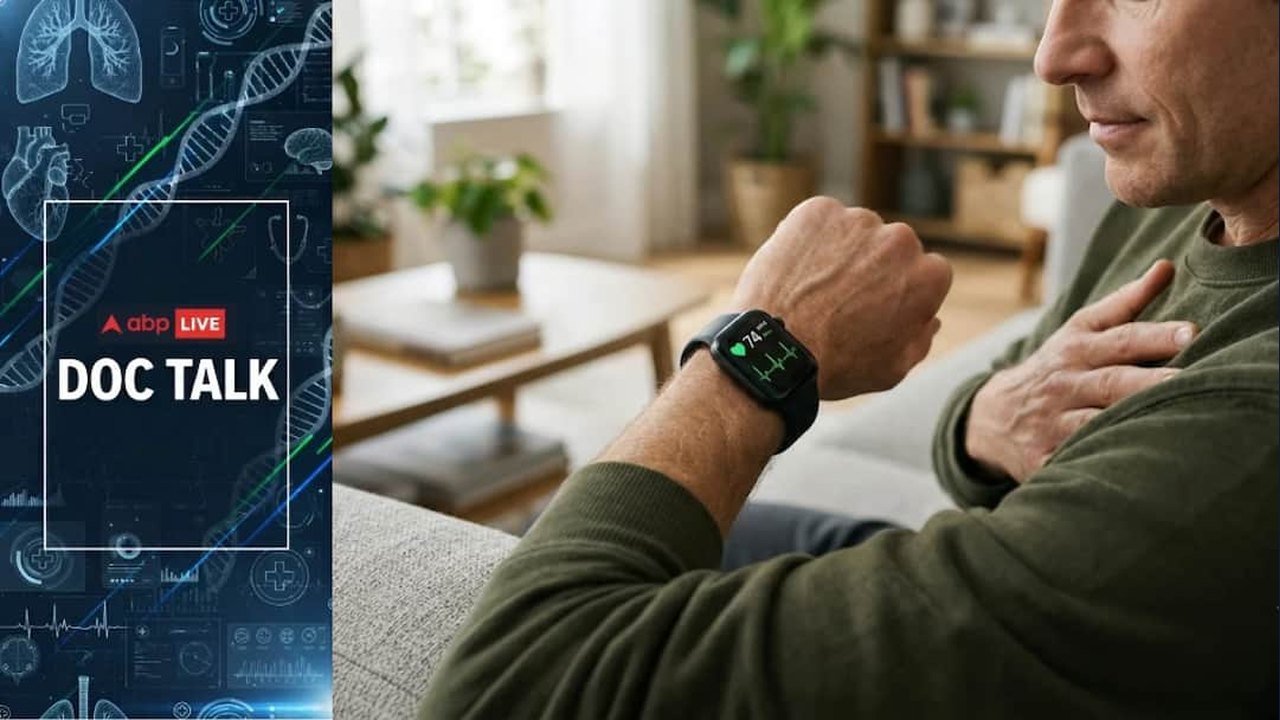
Image: Dr Rachit Saxena · Photo source · Resized and letterboxed to 16:9; no AI generation
Smartwatches have integrated continuous heart rate monitoring into daily life, allowing users to track resting heart rates, exercise metrics, sleep variations, and potential abnormal heartbeats. However, interpreting this data and knowing when to seek professional medical help can be challenging. Heart rate fluctuates based on physical activity, emotions, hydration, fever, sleep quality, caffeine intake, and certain medical treatments, meaning temporary high readings do not automatically signal a heart condition.
How Wearables Measure Heart Rate
Most smartwatches utilize photoplethysmography (PPG) to assess pulse rate by measuring blood volume changes under the skin using light. Some models include single-lead electrocardiogram (ECG) features. While these tools offer helpful insights, they do not replace standard clinical ECG results. A normal adult resting heart rate typically ranges between 60 and 100 beats per minute, though endurance-trained individuals may have lower rates without underlying health issues.
Understanding Baselines and Alerts
Experts emphasize focusing on personal baselines rather than isolated numbers. Key considerations include:
- Prolonged Changes: A sustained increase over several days may point to infections, dehydration, inadequate recovery, anemia, or underlying arrhythmias.
- Weekly Patterns: Reviewing weekly trends alongside daily activities and symptoms provides better context than daily fluctuations.
- Atrial Fibrillation (AF): Certain devices can detect pulse rhythms associated with AF, an irregular heartbeat that can increase stroke risk.
Practical Implications and Medical Consultation
Receiving an irregular rhythm alert does not equal a clinical diagnosis, as movement or poor sensor contact can affect readings. If multiple alerts occur, users should save their device's ECG records and consult a physician rather than self-interpreting the data. Doctors may use a 12-lead ECG or a Holter monitor for clinical validation.
Crucially, users should not ignore symptoms such as chest pain, fainting, extreme shortness of breath, or sudden dizziness, even if the smartwatch reports a steady rhythm. Wearable data should be discussed alongside broader health factors such as blood pressure, cholesterol, blood sugar, genetics, and physical activity. To verify health concerns, individuals should consult qualified healthcare providers and review official medical guidance.
AI-assisted reporting; source claims are attributed and have not been independently verified.
More to read
 Bedwetting in Children: Causes, Warning Signs, and When to Consult a Doctor
 World Heart Day: Monitoring Heart Health From Your Wrist With Samsung Galaxy Watch
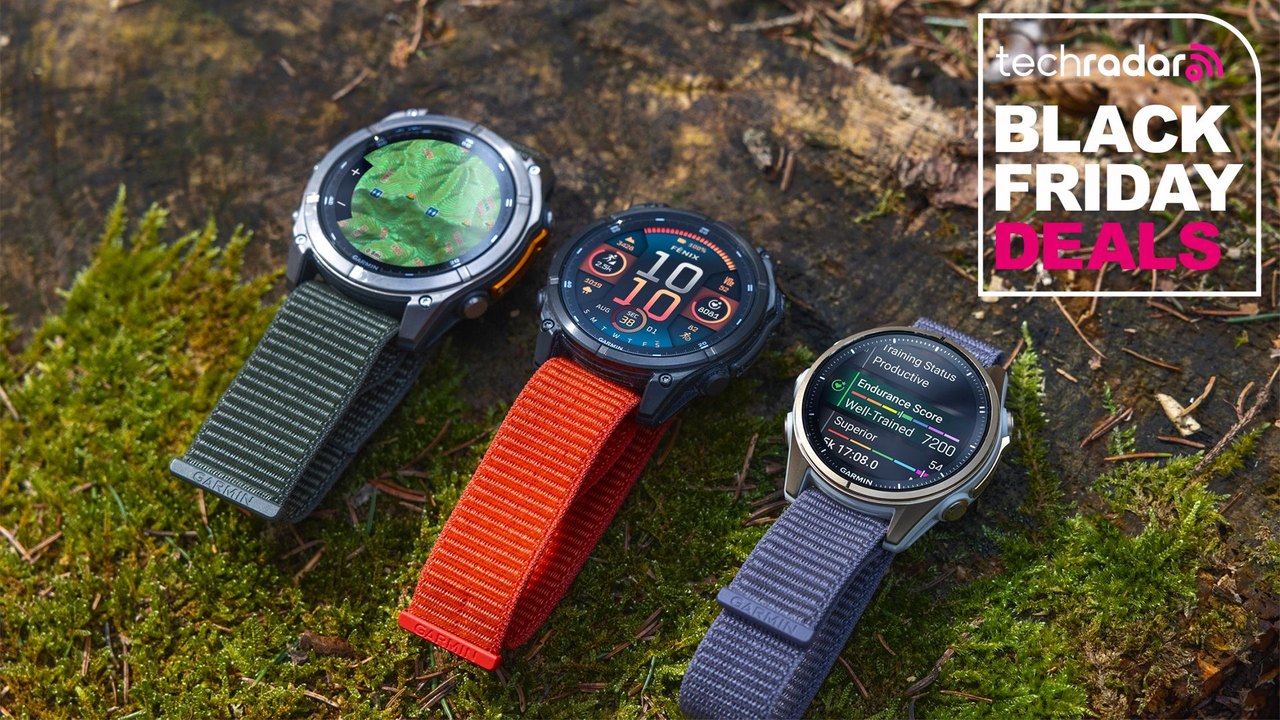 Amazon Australia Launches Black Friday Sale Featuring Garmin Smartwatch Discounts
 Mint Mobile Launches New $10 Monthly Smartwatch Plan With Apple Watch Support