Bedwetting in Children: Causes, Warning Signs, and When to Consult a Doctor
· GlobeWire Daily Science Desk · Source: news.abplive.com
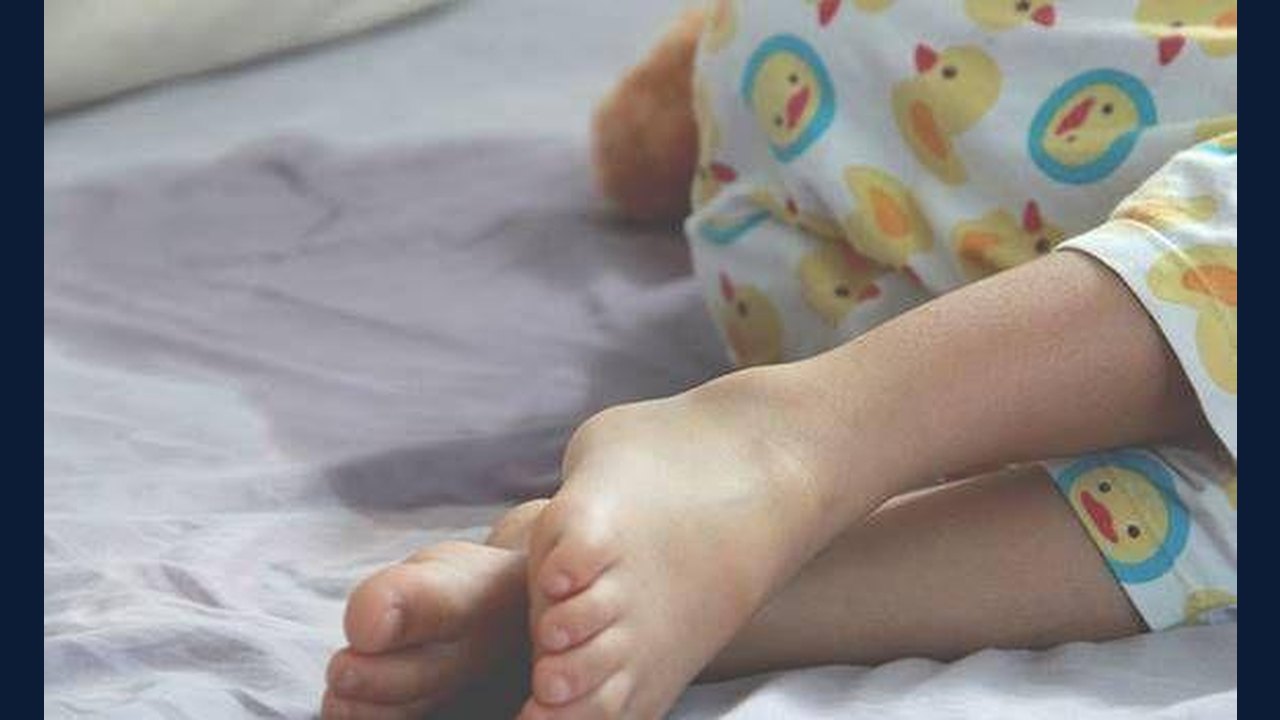
Image: ABP Live Lifestyle · Photo source · Resized and letterboxed to 16:9; no AI generation
Bedwetting in children, medically known as nocturnal enuresis, is a common concern that can persist as children grow. Rather than reacting with frustration or scolding, understanding the physiological and environmental factors behind the condition can help parents approach the situation supportively.
Reports indicate that bedwetting often happens because a child's body produces excess urine at night, or their bladder is not yet fully developed to hold urine until morning. Additionally, some children do not wake up when their bladder is full due to deep sleep patterns.
Potential Causes of Bedwetting
Medical discussions and observations highlight several factors that may contribute to bedwetting:
- Hormonal Factors: The body naturally produces a hormone at night to reduce urine production. Lower levels of this hormone can lead to increased nighttime urine production.
- Deep Sleep and Genetics: Children who are deep sleepers may fail to wake up when their bladder signals fullness. Genetics can also play a role, as children with parents who experienced bedwetting may be more likely to experience it.
- Constipation: Accumulated stool in the intestines can exert physical pressure on the bladder, impairing a child's ability to control urination.
- Emotional Stress: Significant life changes, such as a new school or family adjustments, can trigger bedwetting or cause a relapse after a period of dry nights.
When to Consult a Healthcare Professional
Parents are generally advised to seek medical guidance under specific circumstances:
- If a child continues to wet the bed regularly after the age of five.
- If a child who has been dry at night for several months suddenly begins wetting the bed again.
- If symptoms such as pain during urination, excessive thirst, or frequent daytime urination are observed.
Experts emphasize avoiding punishment or shaming, as bedwetting is typically beyond the child's conscious control. A supportive approach combined with professional medical evaluation helps protect the child's emotional well-being while addressing any underlying health issues. Readers can verify medical guidance by consulting qualified pediatricians or reviewing authoritative health organizations.
AI-assisted reporting; source claims are attributed and have not been independently verified.
More to read
 Understanding the Five Common Forms of Vision Loss and Their Early Warning Signs
 New York Governor Signs Law to Protect Children from AI Chatbot Harms
 The Viral Soccer Toddler: When Digital Exposure Fails Children
 Hundreds of Baby Whales Die Off Argentina's Coast as Scientists Investigate Causes
Trending on GlobeWire Daily
Selected from recent coverage and related topics; not live search rankings.
 Madhya Pradesh Government Plans Revenue Generation from 117-Year-Old Edward Villa in Mumbai Through Leasing
 iPhone 18 Pro Named TechRadar Product of the Year 2026
 Google Project Suncatcher Runs Gemma 4 AI on Orbiting Satellite and Receives First Response
 Gender Disparities in Eye Care Access Across India Examined
 Satellite Images Show Cyclone Arnab Weakening Over India As New System Brews
 Expanding Green and Blue Spaces Crucial for India's Economic and Public Health, Reports Indicate