Understanding the Five Common Forms of Vision Loss and Their Early Warning Signs
· GlobeWire Daily Science Desk · Source: news.abplive.com
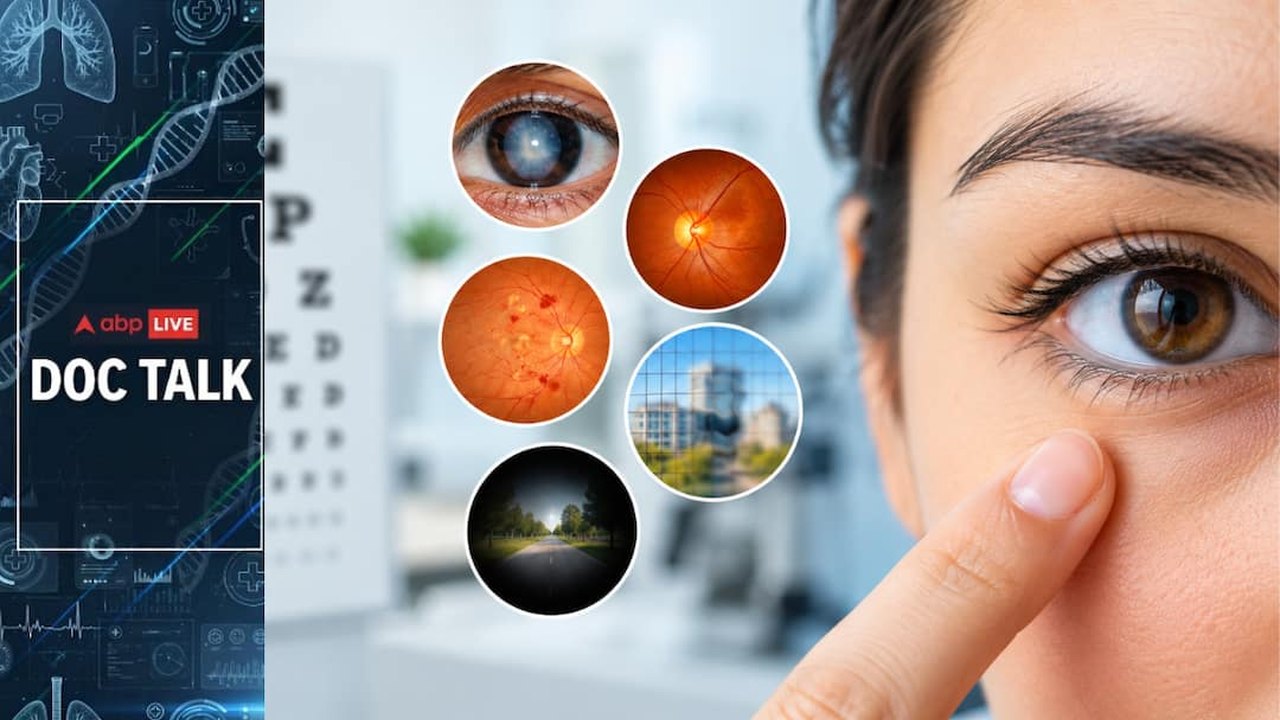
Image: Dr Ganesh Pillay — Creative Commons
Overview
Vision loss can develop gradually, often without obvious warning signs, and may range from mild visual impairment to total blindness. A recent health article from ABP Live outlines five of the most common conditions that threaten eyesight in India, explains their early symptoms, and stresses the importance of regular eye examinations for timely intervention.
Types of Vision Loss
The article groups the conditions into five categories: cataracts, glaucoma, diabetic retinopathy, age‑related macular degeneration (AMD), and retinitis pigmentosa. Each condition affects different parts of the eye and presents distinct early clues that, if recognized, can lead to treatment before irreversible damage occurs.
Cataracts – The Leading Treatable Cause
Cataracts involve clouding of the eye’s natural lens. Early signs include:
- Blurred or hazy vision
- Difficulty distinguishing colours
- Increased glare from lights
- A need for frequent changes in eyeglass prescription
Surgery to replace the clouded lens with an artificial one is the standard, highly effective treatment.
Glaucoma – The “Thief of Sight”
Glaucoma damages the optic nerve, typically beginning with loss of peripheral (side) vision. Because the disease progresses silently, many people remain unaware until significant vision loss has occurred. Early detection relies on comprehensive eye exams that measure intra‑ocular pressure and assess optic nerve health.
Diabetic Retinopathy – Blood‑Vessel Damage in the Retina
High blood‑sugar levels can injure the tiny blood vessels that nourish the retina. In its initial stages, diabetic retinopathy may produce no symptoms. As it advances, patients might notice:
- Floaters (small specks that drift across the visual field)
- Blurred vision
Prompt management of blood glucose and regular retinal screening can halt or reverse damage.
Age‑Related Macular Degeneration (AMD) – Central Vision Decline
AMD primarily impairs the central part of the retina (the macula), which is essential for reading and recognizing faces. Early indicators include:
- Straight lines appearing wavy or distorted (metamorphopsia)
- General blurriness when focusing on objects directly ahead
Early diagnosis allows for interventions such as nutritional supplements or, in some cases, laser therapy to slow progression.
Retinitis Pigmentosa – Inherited Night‑Vision Loss
This genetic disorder first reduces night vision, followed by a gradual narrowing of the visual field—often described as “tunnel vision.” Because it is hereditary, family members may benefit from early screening even before symptoms appear.
Why Early Detection Matters
The article emphasizes that many people only seek eye care after noticing a decline in vision, a pattern especially common with glaucoma and diabetic retinopathy. However, a substantial proportion of blindness is preventable or treatable when conditions are identified early. Regular eye examinations can uncover problems before they manifest as noticeable symptoms, enabling interventions that preserve sight.
Practical Implications for Readers
- Schedule routine eye exams: Adults should have a comprehensive check‑up at least every two years; those with diabetes or a family history of eye disease may need more frequent monitoring.
- Monitor visual changes: Pay attention to glare, colour shifts, difficulty seeing at night, or any distortion of straight lines.
- Encourage family eye health: Children and older relatives should also receive regular screenings, especially if hereditary conditions like retinitis pigmentosa are a concern.
- Manage systemic health: Controlling blood sugar, blood pressure, and cholesterol can reduce the risk of diabetic retinopathy and other vascular eye diseases.
Confirmed Facts vs. Unknowns
Confirmed: The five conditions listed, their early symptoms, and the recommendation for regular eye exams are directly drawn from the ABP Live article. Cataract surgery is noted as an effective treatment. Unknown: The article does not provide prevalence statistics, specific success rates for treatments beyond cataract surgery, or detailed guidelines for screening intervals tailored to each condition.
How Readers Can Verify the Information
The original health piece is published by ABP Live and can be accessed at: [https://news.abplive.com/health/losing-your-sight-5-types-of-blindness-and-their-early-symptoms-explained-1872945](https://news.abplive.com/health/losing-your-sight-5-types-of-blindness-and-their-early-symptoms-explained-1872945) Readers are encouraged to review the source for the full context and to consult qualified eye‑care professionals for personalized advice.
--- This article is intended for informational purposes only and does not replace professional medical consultation.
AI-assisted reporting; source claims are attributed and have not been independently verified.
More to read
 How NASA's PACE Satellite Is Transforming Fall Foliage Tracking from Space
 Examining the Nutritional Patterns Behind Israel's High Life Expectancy
 Crows Evaluate Visual Information Twice as Fast as Primates, Study Finds
 AIIMS Delhi Expert Predicts Significant Gains in Childhood Cancer Survival Data Over Next Five Years
Trending on GlobeWire Daily
Selected from recent coverage and related topics; not live search rankings.
 High-End Student Housing Sector Faces Financial Strain Amid Rising Costs and Falling International DemandHow NASA's PACE Satellite Is Transforming Fall Foliage Tracking from Space
 WeMakeScholars Recruits Technical HR Professional Across Multiple Indian Cities
 Credit Saison India Recruits Relationship Manager for Secured Direct Operations in South India
 Rajasthan declares 80 tehsils across 14 districts as severely or moderately drought‑affected amid monsoon shortfall
 Ontario Teachers and Education Workers Rally Across Province Amid Contract Stalls and Upcoming Strike Votes