Examining the Nutritional Patterns Behind Israel's High Life Expectancy
· GlobeWire Daily Science Desk · Source: news.abplive.com
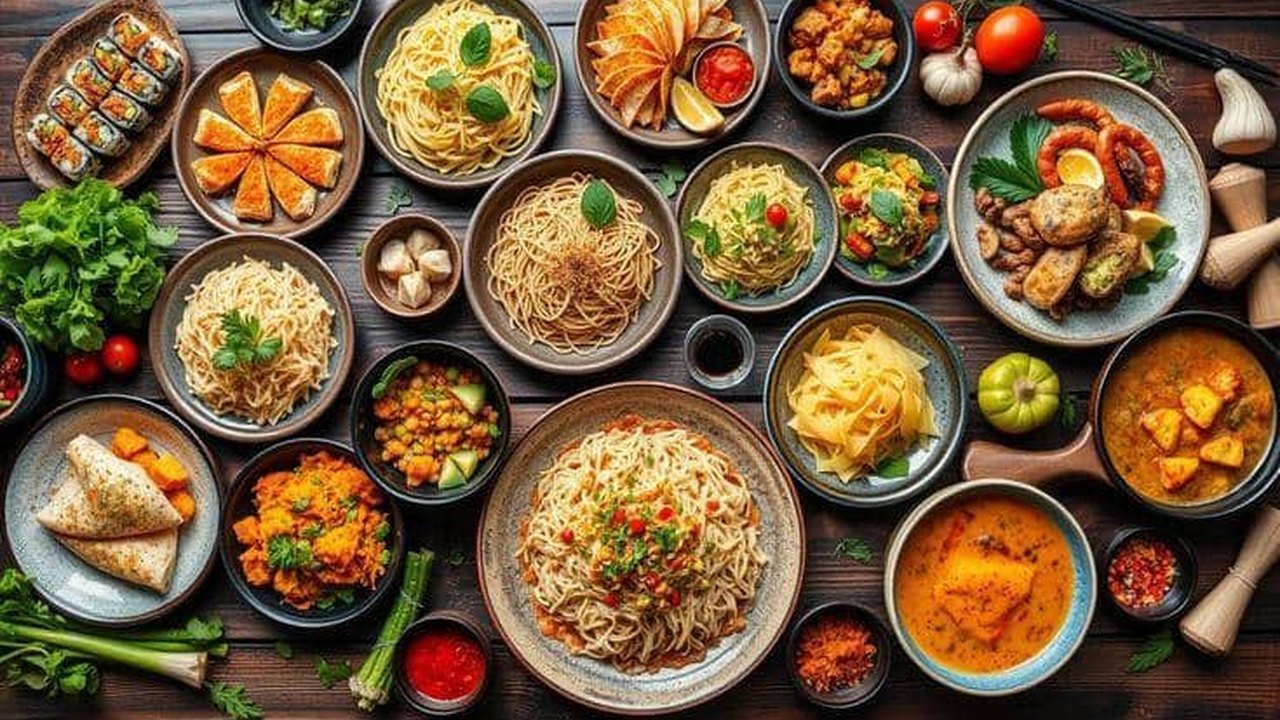
Image: ABP Live Lifestyle — Creative Commons
Israel consistently ranks among nations with notable life expectancy figures, with average lifespans hovering around 83 to 84 years. While public health outcomes are shaped by a complex interplay of healthcare access, physical activity, genetics, and socioeconomic conditions, dietary choices frequently draw attention from researchers and nutritionists examining population-level health trends.
Reports focusing on traditional Israeli dietary patterns highlight several staple ingredients and preparation methods rich in plant-based proteins, fiber, vitamins, and unsaturated fats. Below is an overview of the primary food categories commonly associated with the region's cuisine and their nutritional characteristics.
Core Components of the Traditional Israeli Diet
- Hummus and Falafel: Hummus is typically prepared from boiled chickpeas blended with tahini, lemon juice, garlic, and olive oil, serving as a source of plant-based protein and dietary fiber. Falafel, commonly made from ground chickpeas or other legumes shaped into patties, also supplies protein and fiber, though its final nutritional profile can be influenced by cooking methods such as frying.
- Fresh Vegetables and Salads: Meals frequently incorporate finely chopped seasonal produce such as cucumbers, tomatoes, and onions. These foods supply essential vitamins, minerals, and fiber. Olive oil is widely utilized as a culinary fat, contributing unsaturated fatty acids.
- Legumes, Whole Grains, and Fruits: Beans, lentils, whole grains, and fresh fruits form another pillar of the traditional pattern, supplying complex carbohydrates, antioxidants, and sustained energy sources that support digestive health.
- Fish, Nuts, and Seeds: Moderate consumption of fish provides protein and, depending on the species, omega-3 fatty acids. Nuts and seeds contribute healthy fats, minerals, and additional dietary fiber in balanced portions.
Multifactorial Influences on Longevity
Public health experts emphasize that diet alone does not account for national variations in life expectancy. Broader determinants of health include comprehensive healthcare infrastructure, regular physical activity, adequate sleep, environmental conditions, and genetic factors. Consequently, nutritionists generally view traditional regional diets as supportive elements of an overall healthy lifestyle rather than standalone solutions for longevity.
Practical Implications and Verification
For readers interested in applying nutritional insights from Mediterranean and Middle Eastern dietary traditions, dietitians typically recommend focusing on whole foods, increasing intake of fresh produce and legumes, and incorporating healthy fats like olive oil in moderation.
Readers should note that nutritional needs vary by individual, and lifestyle factors collectively determine long-term health outcomes. The original report and further details can be verified directly through the [ABP Live Health Report](https://news.abplive.com/health/what-do-israelis-eat-to-live-longer-5-food-habits-linked-to-healthy-living-1873419).
AI-assisted reporting; source claims are attributed and have not been independently verified.
More to read
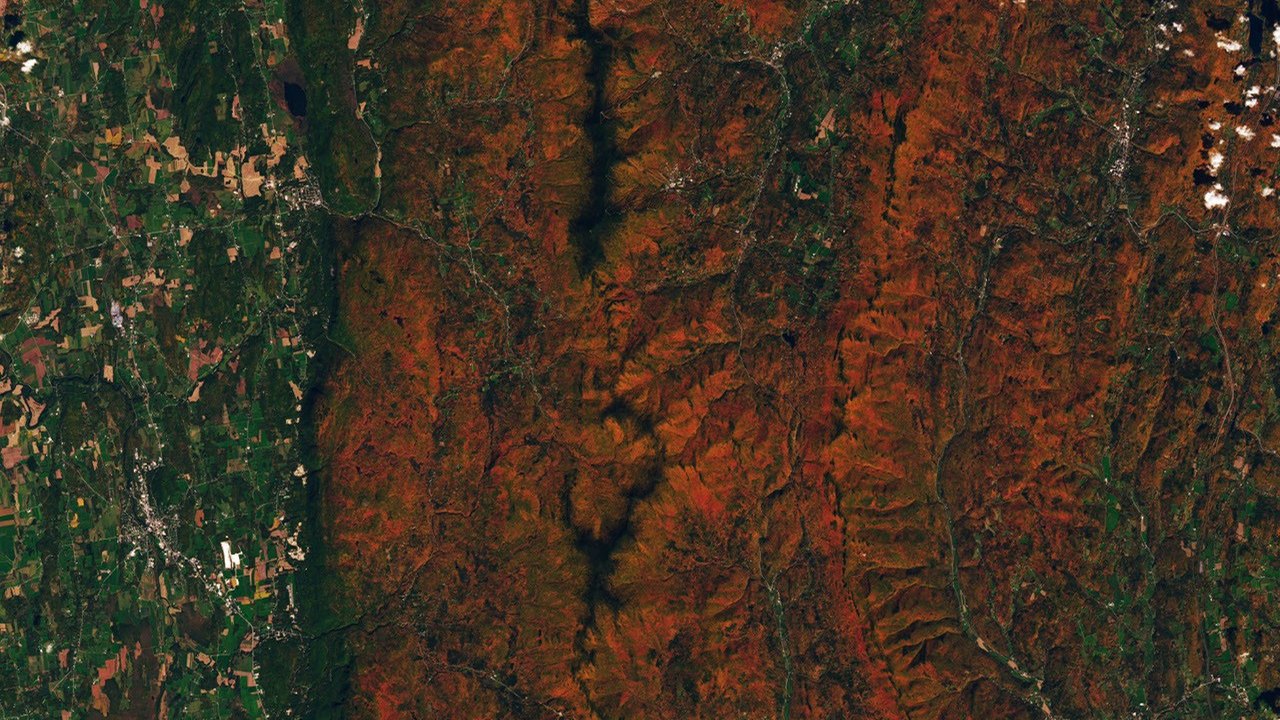 How NASA's PACE Satellite Is Transforming Fall Foliage Tracking from Space
 Understanding the Five Common Forms of Vision Loss and Their Early Warning Signs
 Crows Evaluate Visual Information Twice as Fast as Primates, Study Finds
 AIIMS Delhi Expert Predicts Significant Gains in Childhood Cancer Survival Data Over Next Five Years
Trending on GlobeWire Daily
Selected from recent coverage and related topics; not live search rankings.
 High-End Student Housing Sector Faces Financial Strain Amid Rising Costs and Falling International DemandHow NASA's PACE Satellite Is Transforming Fall Foliage Tracking from Space
 WeMakeScholars Recruits Technical HR Professional Across Multiple Indian Cities
 Credit Saison India Recruits Relationship Manager for Secured Direct Operations in South India
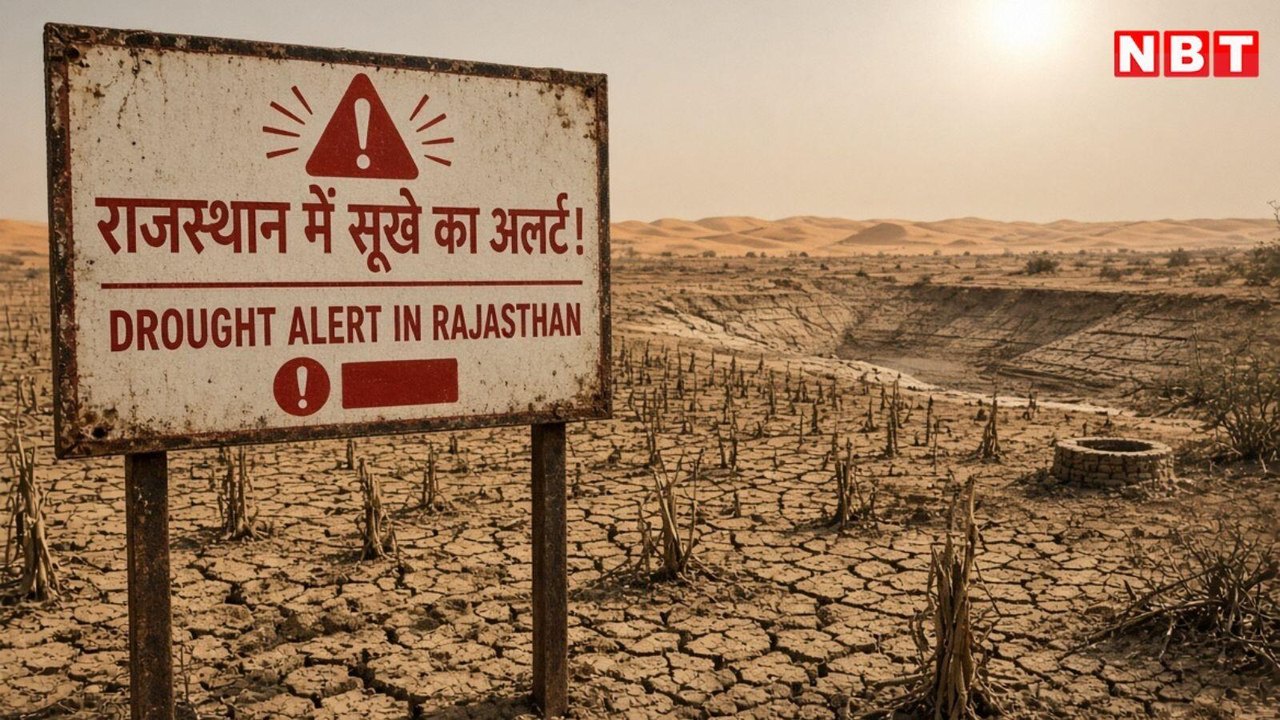 Rajasthan declares 80 tehsils across 14 districts as severely or moderately drought‑affected amid monsoon shortfall
 Ontario Teachers and Education Workers Rally Across Province Amid Contract Stalls and Upcoming Strike Votes