VWFNDR + MBL Camera App Releases Version 2.0 with New Color Grades and iPhone Expansion
· GlobeWire Daily Editorial Desk · Source: 9to5google.com
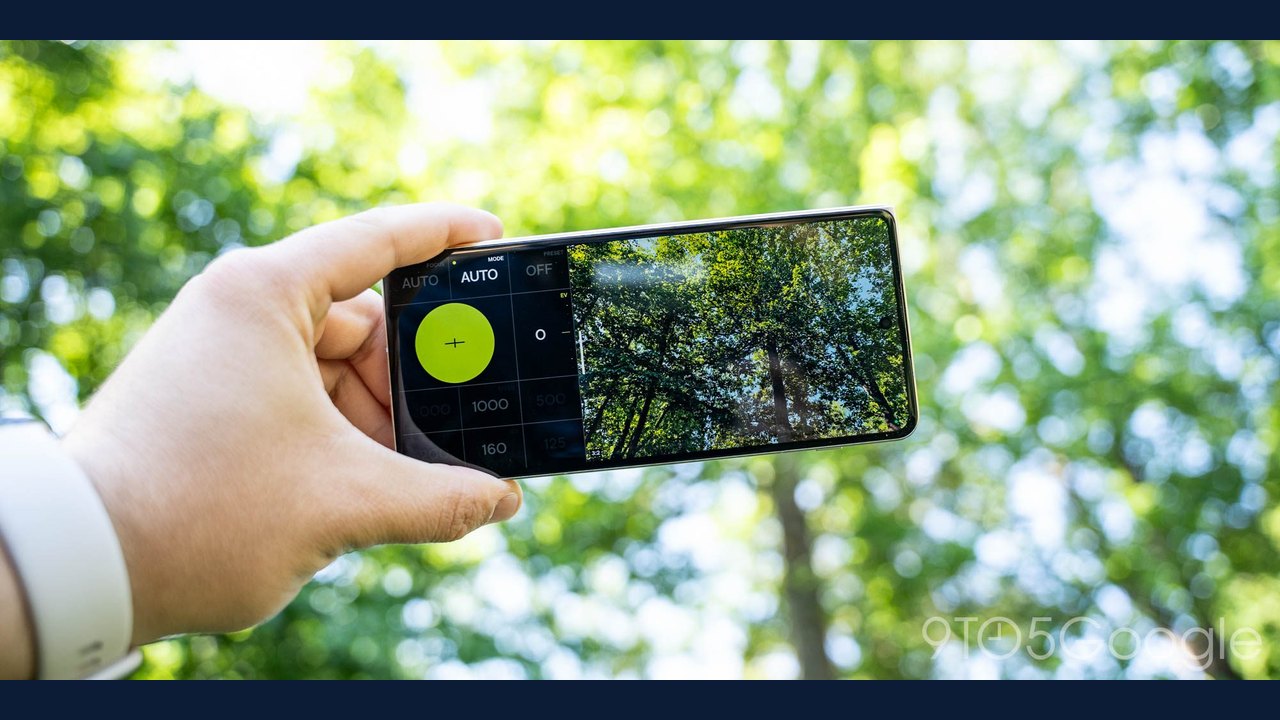
Image: Ben Schoon · Photo source · Resized and letterboxed to 16:9; no AI generation
VWFNDR + MBL, an alternative mobile camera application known for its minimal image processing and DNG RAW file support, has announced its version 2.0 update alongside an expansion to iOS devices.
Originally launched on Android in May 2026, the application reports reaching over 300,000 downloads. The software aims to provide a natural photographic look with an adaptive user interface and high-quality raw capture comparable to native options like Google’s Pixel Camera app.
What's New in Version 2.0
The 2.0 release brings notable feature additions across platforms, particularly focusing on refined color options for JPEGs while keeping underlying raw data untouched.
- New Color Grading Profiles: JPEGs rendered alongside the capture can now utilize one of three new profiles: NATURAL, NIHON, or B+W.
- Spatial Grading Engine: Rather than applying a standard fixed LUT (Look-Up Table), the app uses a spatial engine that adapts across the frame to preserve detail in highlights and shadows.
- Unchanged RAW Files: The application continues to save an unprocessed Bayer RAW DNG file alongside the styled JPEG.
Expansion to iPhone
After launching exclusively on Android for its initial months, the application is now expanding to support Apple devices.
- Platform Availability: Bringing the VWFNDR experience to iOS users.
- Hardware Integration: Support for variable aperture features on supported iPhone 18 Pro models.
- Authentication: Integration with Content Credentials, Apple’s implementation of the C2PA standard designed to verify image authenticity and counter AI-generated media concerns.
Practical Implications and Verification
Users interested in testing the updated application can check official app stores for availability and compatibility requirements. To verify original announcements, users should consult the developer's official release notes, primary website, or verified social media channels rather than relying solely on secondary summaries.
AI-assisted reporting; source claims are attributed and have not been independently verified.
More to read
 PlugShare Releases Version 8.0 App Update With Dark Mode and Apple Device Support
 10 Useful Features Hidden in Your iPhone's Notes App
 Developers Bring New App Experiences to iPhone Duo
 NASA Releases James Webb Space Telescope's First Full-Color Science Images