Why Smartphones Are Getting More Expensive: Exploring Rising Costs, AI Demand, and Chip Shortages
· GlobeWire Daily Editorial Desk · Source: www.amarujala.com

Image: Amar Ujala · Source image rights not independently verified · Photo source · Cropped to 16:9; original source image
Rising Smartphone Prices Impact Consumers
Purchasing a new smartphone has become increasingly expensive, with price hikes affecting budget models as well as mid-range and premium devices. Reports indicate that consumers are facing higher costs across various price segments, raising questions about the underlying economic and technological factors driving these changes.
Key Factors Driving Price Increases
According to recent research reports, several interconnected factors are contributing to the rising cost of mobile devices:
- Surging AI Infrastructure Demand: The rapid expansion of artificial intelligence has led to the construction of numerous data centers worldwide. These facilities require specialized components such as High-Bandwidth Memory (HBM) and DRAM chips.
- Shift in Chip Manufacturing Priorities: Memory chip producers are reportedly prioritizing high-margin server chips intended for AI applications over standard consumer electronics components, leading to tightened supplies.
- Increased Production Costs: Industry estimates suggest that memory components, which historically accounted for a smaller fraction of a smartphone's production cost, now represent a significantly higher percentage, putting pressure on profit margins.
- Import and Currency Pressures: Many regions rely on imported components such as processors, displays, and camera sensors. Fluctuations in currency exchange rates and import costs can further elevate manufacturing expenditures.
Market Impact Across Segments
The rising costs have created distinct trends across different market tiers:
- Budget Segment: Devices priced under specific entry-level thresholds have seen notable price adjustments, as memory costs make up a larger proportion of their total build expense. Sales figures in certain lower-priced categories have experienced declines compared to previous periods.
- Mid-Range Devices: Phones in intermediate price brackets have also faced demand adjustments amidst higher retail tags.
- Premium Market: Higher-end smartphones have generally sustained demand better, supported in some cases by trade-in offers and financing options that mitigate the immediate financial impact on buyers.
Practical Implications and Verification
For consumers planning to purchase a new device, evaluating individual needs and current market pricing remains essential. Industry analysts advise checking multiple retail platforms, comparing component specifications, and reviewing official manufacturer announcements or verified market research reports to understand current pricing trends before making a purchase.
AI-assisted reporting; source claims are attributed and have not been independently verified.
More to read
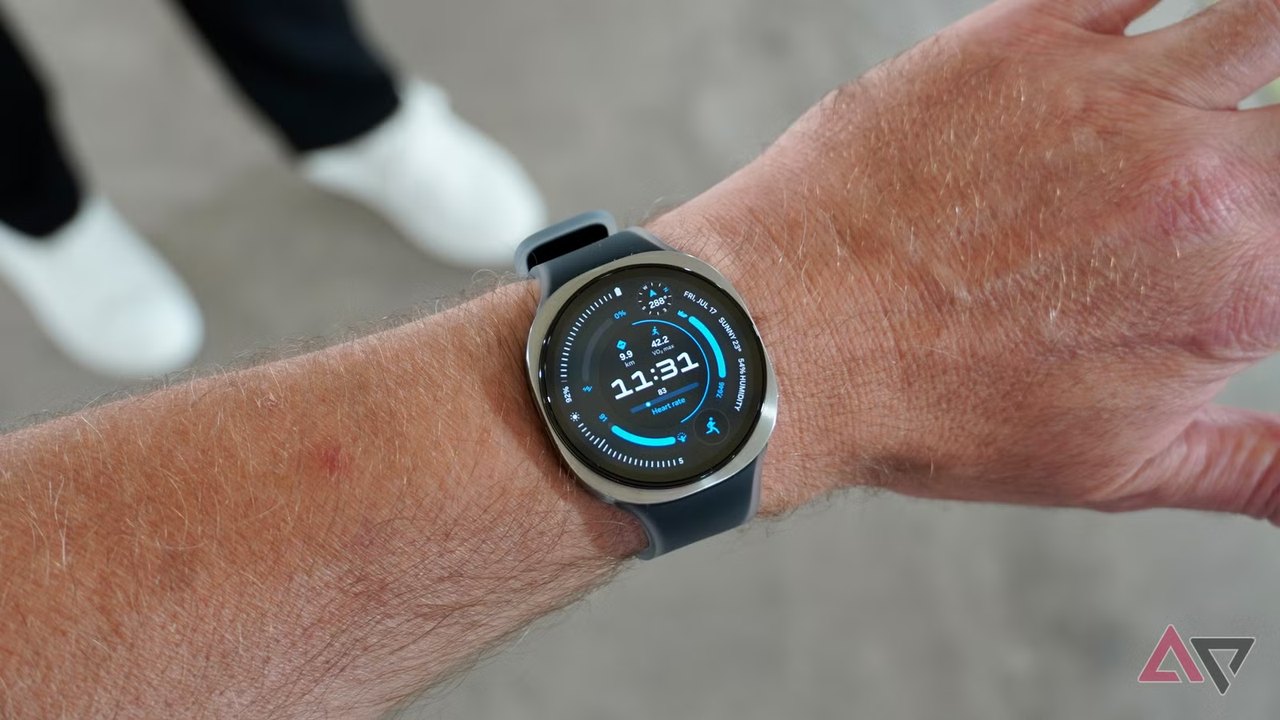 How Disabling One Galaxy Watch Setting Can Extend Battery Life
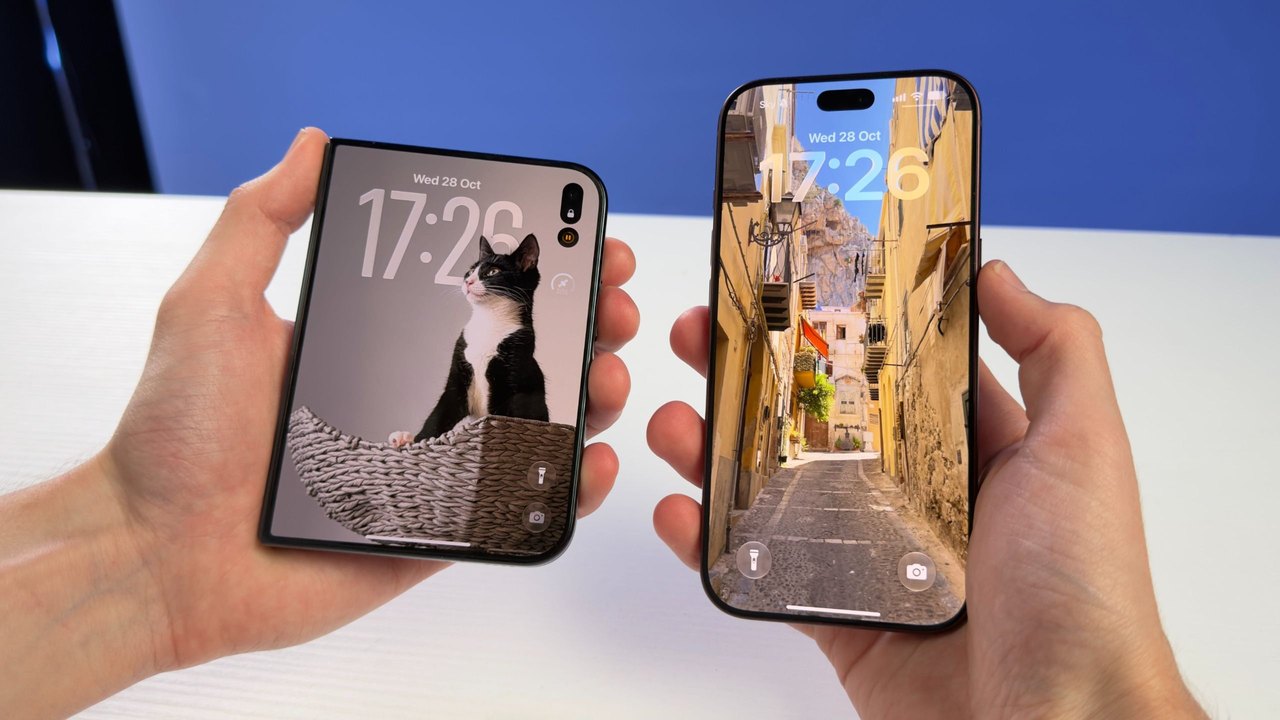 Apple's iPhone Duo vs. iPhone 18 Pro: How the First Foldable Compares to the Latest Flagship
 Diverse Mobile App Categories Highlighted in Recent App Store Data
 Comparing iPhone Pro Prices and Features: 2019 Versus 2026 Reports
Trending on GlobeWire Daily
Selected from recent coverage and related topics; not live search rankings.
 Ray Parlour Backs Arsenal Teenager Max Dowman After Carabao Cup Red Card
 Pressure Mounts on Aberdeen Manager Stephen Robinson After Falkirk Defeat
 Callum McGregor Backs Jota and Kasper Hogh After Dundee United Draw
 Izzy Christiansen Praises Everton After Carabao Cup Victory Over Newcastle
 Everton Manager David Moyes Praises Squad Mentality After Carabao Cup Win
 Sunderland Face Premier League Relegation Battle Amid European Campaign