How the Dragon Ball Z Cell Saga Permanently Changed the Franchise
· GlobeWire Daily Gaming Desk · Source: gamerant.com
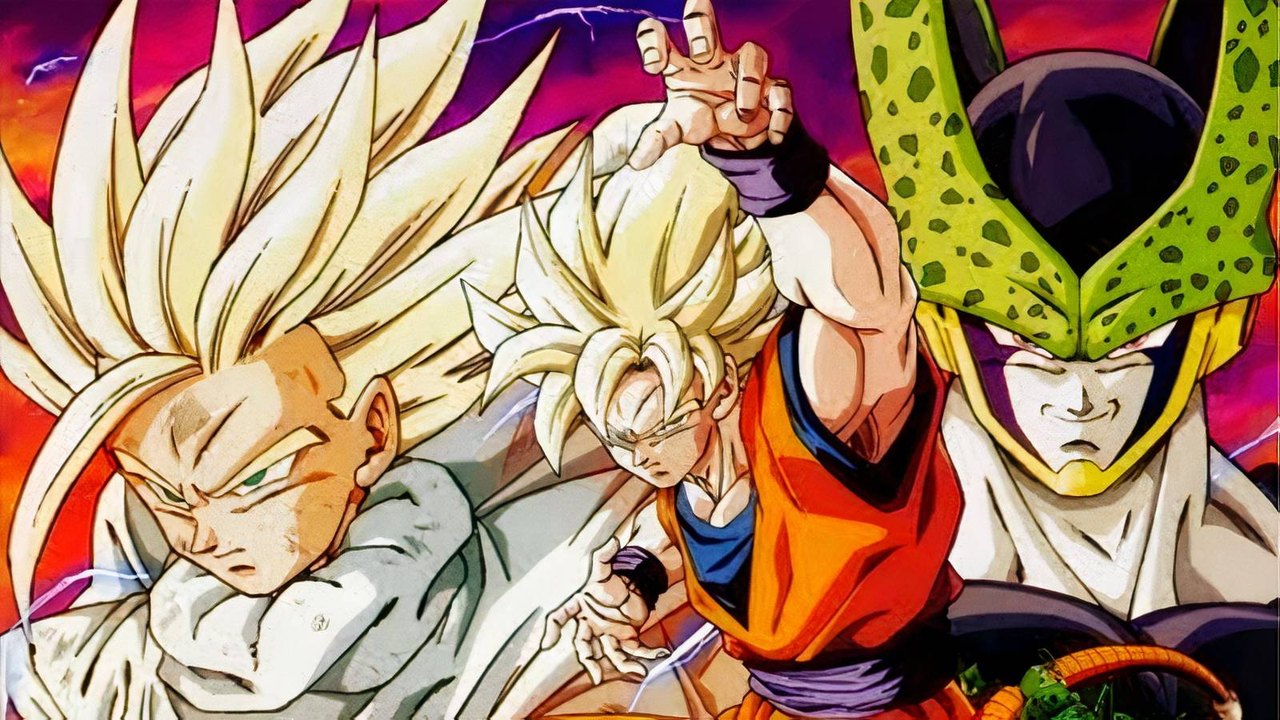
Image: GameRant · Photo source · Resized and letterboxed to 16:9; no AI generation
The Cell Saga remains one of the most celebrated and discussed storylines in the entire Dragon Ball franchise, shaping not only character arcs but also the fundamental trajectory of the series. Reported analyses highlight several key ways this narrative impacted the anime's universe, from redefining power progression to shifting the primary focus away from Goku.
1. Refinement Over Raw Strength
While the franchise is famous for introducing powerful new transformations, the Cell Saga demonstrated that raw physical might is not always the optimal path. When Trunks utilized the heavily muscled Super Saiyan Grade 3 state, its lack of speed and high energy consumption proved it to be impractical. In contrast, Goku and Gohan chose to master and refine the standard Super Saiyan form for greater efficiency, setting a precedent that influenced later techniques like Ultra Instinct.
2. Expanding Time Travel and Alternate Timelines
Stemming from the aftermath of the Android Saga, the narrative explored the consequences of Future Trunks traveling back in time. This time-travel element ultimately led to the creation of Cell and laid the groundwork for future timelines to become a recurring, vital staple in the franchise, playing a significant role later in series like *Dragon Ball Super*.
3. The Consequences of Vegeta's Pride
Vegeta's journey toward redemption is widely discussed by fans. The Cell Saga played a crucial role in examining how his signature hubris and overconfidence directly contributed to the escalation of threats, allowing villains to grow stronger and causing widespread destruction before he ultimately faced the cost of his pride.
4. Accountability for Heroic Choices
Unlike arcs where threats arose entirely independently, the conflicts in the Cell Saga were frequently tied back to the actions of the heroes themselves. From Dr. Gero's revenge-driven creations stemming from Goku's past battles with the Red Ribbon Army to Vegeta allowing Cell to reach his Perfect form, the storyline emphasized direct consequences for past decisions.
5. Moving Beyond Goku as the Sole Savior
Historically, Goku served as the definitive protagonist who always defeated the ultimate threat. The Cell Saga shifted this formula by emphasizing the necessity of preparing others to protect the Earth, culminating in Gohan stepping up to unlock Super Saiyan 2 and surpassing Goku as the planet's protector.
6. Shifting Power Scaling Standards
The introduction of Super Saiyan 2 by Gohan shattered previous power ceilings, permanently altering how strength would be measured in subsequent storylines like the Buu Saga and *Dragon Ball Super*.
*Dragon Ball Z is available for streaming on platforms like Crunchyroll. Fans interested in verifying original announcements and detailed production notes can consult official Toei Animation releases and authorized streaming distributors.*
AI-assisted reporting; source claims are attributed and have not been independently verified.
More to read
 Exploring Power Limiter Forms in the Dragon Ball Franchise
 Exploring the Best Dragon Ball Z Movies: A Critical Look at the Franchise's Top Films
 Tracing the Evolution and Impact of Fusion in the Dragon Ball Franchise
 Dragon Ball Xenoverse 2 Announces 10th Anniversary Content Update
Trending on GlobeWire Daily
Selected from recent coverage and related topics; not live search rankings.
 Madhya Pradesh Government Plans Revenue Generation from 117-Year-Old Edward Villa in Mumbai Through Leasing
 iPhone 18 Pro Named TechRadar Product of the Year 2026
 Google Project Suncatcher Runs Gemma 4 AI on Orbiting Satellite and Receives First Response
 Gender Disparities in Eye Care Access Across India Examined
 Satellite Images Show Cyclone Arnab Weakening Over India As New System Brews
 Expanding Green and Blue Spaces Crucial for India's Economic and Public Health, Reports Indicate