Delhi’s FY 2026‑27 Schemes Budget Only 30% Spent by September, Officials Cite Administrative Delays
· GlobeWire Daily Public Services Desk · Source: timesofindia.indiatimes.com

Image: timesofindia.indiatimes.com — Creative Commons
Low overall utilisation of scheme funds
The Delhi government has spent Rs 19,071.5 crore out of an allocated Rs 62,550 crore for schemes, programmes and projects in the first six months of the 2026‑27 financial year – a utilisation rate of 30.5 %. The figure comes from official expenditure data released by the administration and covers capital works as well as recurring subsidies and welfare programmes. It excludes the separate Rs 41,150 crore earmarked for establishment and administration costs.
Sector‑wise disparities
The utilisation picture varies sharply across departments:
- Industries: the lowest at 1.7 % – only Rs 4.71 crore of a Rs 274 crore allocation was spent.
- Tourism: 6.4 % utilisation.
- Nutrition: 8.7 %.
- Women and child welfare: 8.9 % (Rs 639.2 crore of Rs 7,161 crore).
- Transport, the single largest allocation (Rs 11,834 crore), recorded 30 % utilisation.
- Minor irrigation and flood control performed best, spending 61.5 % of its budget.
- Other major sectors such as water supply and sanitation (32 %), urban development (35.2 %), medical services (27.4 %), energy (48.8 %), general education (45.3 %), and SC/ST/OBC welfare (49.4 %) fell in the middle range.
Official explanation and expectations
A senior government official noted that the allocation of Rs 62,550 crore includes both capital and recurring expenses, while the overall budget outlay for FY 2026‑27 presented by Chief Minister Rekha Gupta in March totals Rs 1,03,700 crore.
The administration typically aims to spend 40 %‑50 % of a department’s annual allocation by the end of September. However, there is no statutory requirement to meet that target. The official explained that the first half of the fiscal year (April‑September) often sees slower spending because:
- Departments must secure administrative approvals, finalize tenders and award contracts.
- Construction and infrastructure projects are frequently delayed by the monsoon season.
Warnings and potential risks
In September, the Delhi government issued alerts to departments with under‑utilised budgets, cautioning against unrealistic requests for supplementary grants. An additional official warned that spending ≤30 % in the first six months could trigger a year‑end expenditure rush in the January‑March quarter, potentially leading to:
- Accelerated tendering with reduced scrutiny.
- Compromised quality of work.
- Higher risk of cost overruns.
Practical implications for citizens
- Service delivery delays: Low spending in sectors such as women and child welfare and nutrition may postpone benefits like subsidised nutrition kits or welfare cash transfers.
- Infrastructure timelines: Projects in industries and tourism that rely on government funding could see extended completion dates, affecting job creation and tourism promotion.
- Fiscal discipline: The government’s warning signals a push for departments to accelerate spending in the second half of the year, which could improve service rollout but also raises concerns about procurement standards.
How this compares to typical patterns
While Delhi’s officials acknowledge that slower first‑half spending is common, the 30 % utilisation is notably lower than the 40‑50 % benchmark they cite as “relatively healthy”. In previous years, Delhi’s scheme‑budget utilisation by September has generally hovered around the mid‑40 % range, according to historic budget documents (not reproduced here). The current shortfall therefore represents a significant deviation from the norm.
What remains uncertain
- Exact reasons for sectoral lag: The data does not specify whether delays stem from administrative bottlenecks, project design issues, or external factors such as supply‑chain disruptions.
- Impact on year‑end spending: While officials warn of a possible rush, the actual expenditure pattern for the January‑March quarter will only be known after the fiscal year closes.
- Future allocation adjustments: It is unclear whether the government will re‑allocate funds from under‑utilised sectors to those with higher demand.
How to verify the information
All figures and statements are drawn from the official Delhi government expenditure report cited by the Times of India. Readers can cross‑check the numbers by visiting the original article at: [https://timesofindia.indiatimes.com/city/delhi/govt-spent-just-30-of-schemes-budget-in-first-6-months-of-fy-27/articleshow/135217585.cms](https://timesofindia.indiatimes.com/city/delhi/govt-spent-just-30-of-schemes-budget-in-first-6-months-of-fy-27/articleshow/135217585.cms)
--- The article is based solely on the verified source and does not contain any invented quotes or unpublished data.
AI-assisted reporting; source claims are attributed and have not been independently verified.
More to read
 Jaipur Police Issue Cybercrime Advisory Against AI-Generated Video Scams and Fake Welfare Schemes
 Uttar Pradesh Aims for Global Manufacturing Hub Status by 2030, Officials and Industry Leaders Say
 Kanpur's Mega Legal Aid Camp Connects 43 Departments and Eligible Beneficiaries on November 1
 DMK Leader Leoni Draws Ramayana Parallel in Political Rift Over Stalin's 'Slippers' and State Initiatives
Trending on GlobeWire Daily
Selected from recent coverage and related topics; not live search rankings.
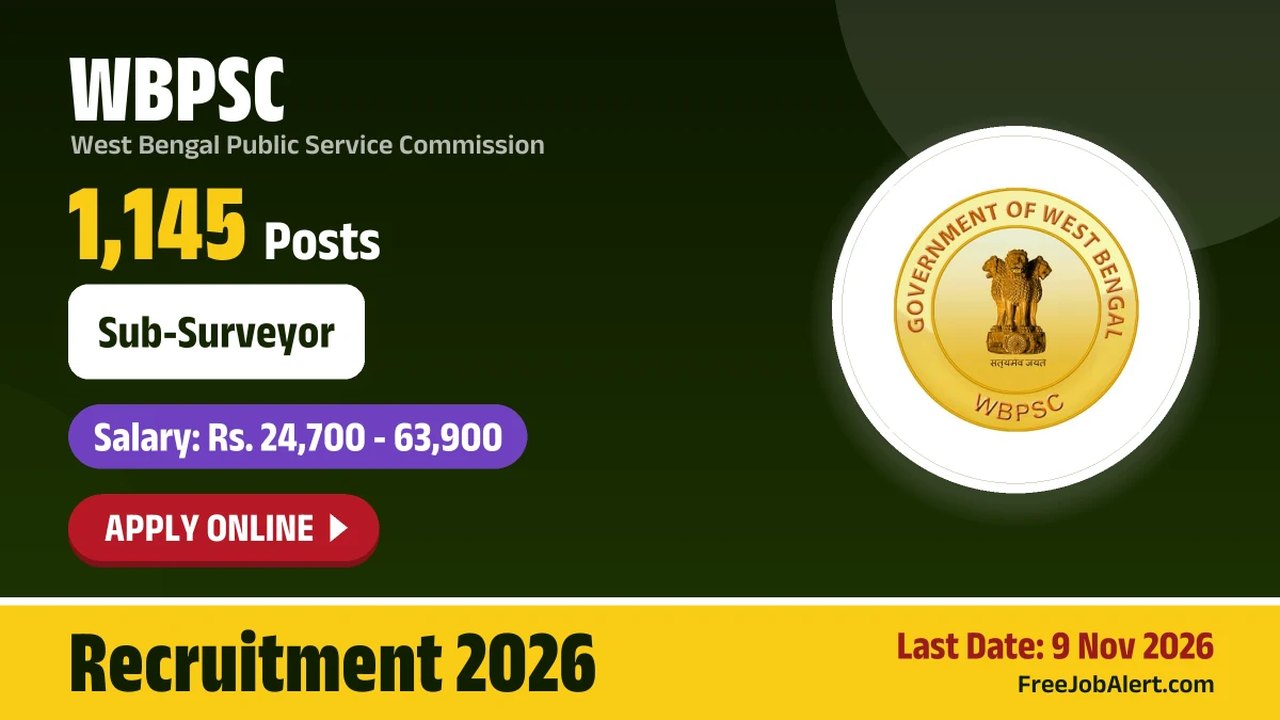 WBPSC Announces 1145 Sub-Surveyor Vacancies: Important Dates, Eligibility, and Application Details
 Community and Social Services Career Openings Highlight Regional Employment Landscape
 Weekend Alcohol Consumption and Women's Health: Examining the Science Behind Breast Cancer Risks
 ARCI Recruitment 2026: Applications Open for 29 Technical, Administrative, and Scientific Posts
 Community and Social Services Openings Highlight Diverse Employment Landscape in Cheyenne, WY
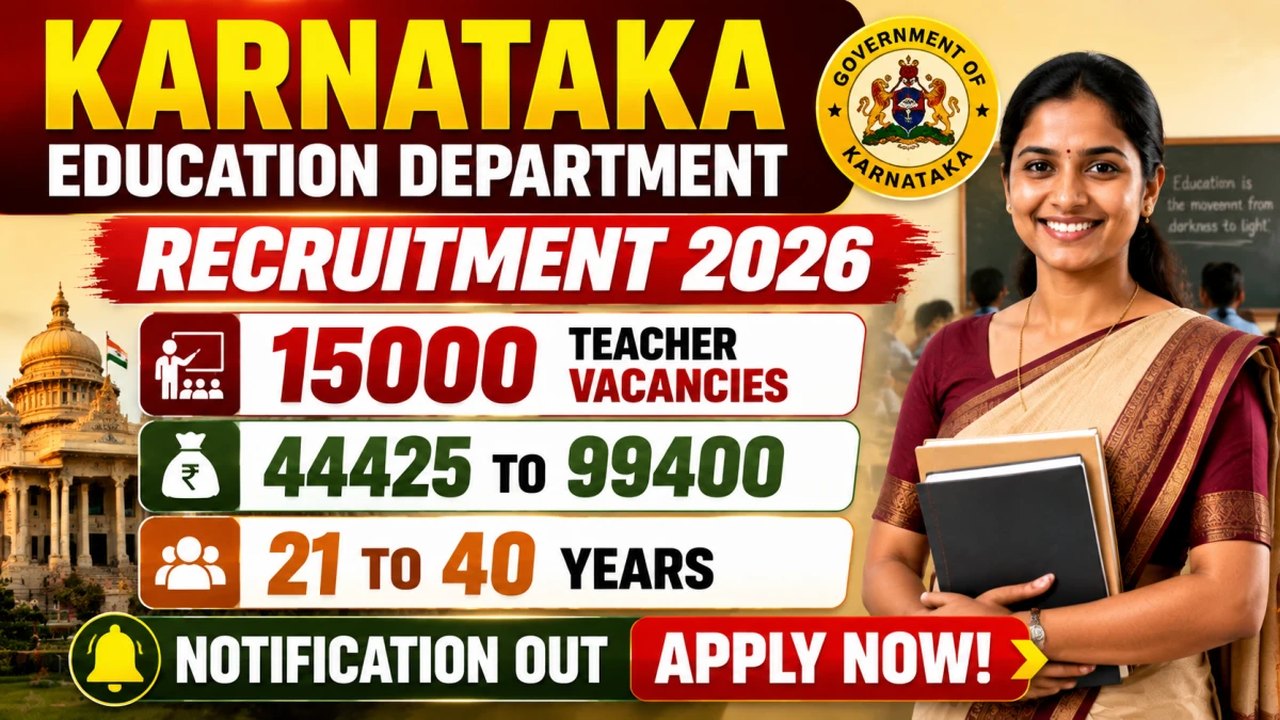 Karnataka School Education Department Extends Online Application Deadline for 2026 Teacher Recruitment to 16 November