Trump Calls for Removal of Alaska Senate Candidates Over Alleged Ballot‑Stacking Scheme
· GlobeWire Daily Public Services Desk · Source: www.aljazeera.com

Image: Al Jazeera · Photo source · Resized and letterboxed to 16:9; no AI generation
Summary
Former President Donald Trump has urged Alaska’s election officials to disqualify Democratic Senate candidate Mary Peltola and Republican Dan Sullivan Jr. after a New York Times report alleged that Peltola’s campaign recruited a namesake to split the vote. Alaska Governor Mike Dunleavy has ordered a state‑level investigation into whether the alleged scheme violates state law.
Confirmed facts
- Governor’s action: Alaska Governor Mike Dunleavy announced on Thursday that the Department of Public Safety will investigate the alleged ballot‑stacking, citing a June investigation by the state election board and a recent New York Times report.
- Trump’s demand: In Truth Social posts, Trump described the alleged operation as “voter fraud at the highest level” and called for Peltola and Dan Sullivan Jr. to be removed from the ballot and prosecuted.
- Election context: The Senate race is decided by ranked‑choice voting; the November 3 election could affect control of the U.S. Senate.
- Legal background: The Alaska Supreme Court upheld Sullivan Jr.’s right to run in June. The Justice Department has filed a separate lawsuit seeking to delay certification of the results if the alleged scheme altered the outcome.
Reported claims (unverified)
- Alleged recruitment: The New York Times reported that aides to Peltola’s campaign, possibly with help from Democratic operative Jerid Kurtz, identified Alaskans named Dan Sullivan and approached them to run, hoping to split the incumbent Republican’s vote.
- Campaign knowledge: Peltola’s former campaign manager, Elisa Rios, told the Times that Peltola was aware of the effort but did not directly coordinate it. Rios later attempted to withdraw her statements.
- Legal assessment: Ballot‑stacking—recruiting candidates to dilute an opponent’s support—is generally legal in Alaska, though the governor’s probe will determine if any statutes were breached.
Practical implications
- For voters: Alaska’s ranked‑choice system means that if a voter’s first‑choice candidate is eliminated, their vote transfers to the next preference. The presence of a namesake could cause confusion, especially among voters unfamiliar with the candidates’ middle initials.
- Verification: Interested parties can review the Alaska Department of Public Safety’s investigation updates, the June election‑board report, and the New York Times article (published 2026). Official court filings are available through the Alaska Supreme Court’s public docket.
- Potential outcomes: If investigators find a violation, candidates could face civil penalties or removal from the ballot. Conversely, if no law was broken, the race will proceed as scheduled on November 3.
Next steps
- Monitor statements from Governor Dunleavy’s office and the Department of Public Safety.
- Follow any court rulings stemming from the Justice Department’s lawsuit.
- Stay informed through reputable news outlets covering Alaska’s Senate race.
--- *This article is based on publicly available reports from Al Jazeera, the New York Times, and official statements from Alaska’s governor and the Justice Department.*
AI-assisted reporting; source claims are attributed and have not been independently verified.
More to read
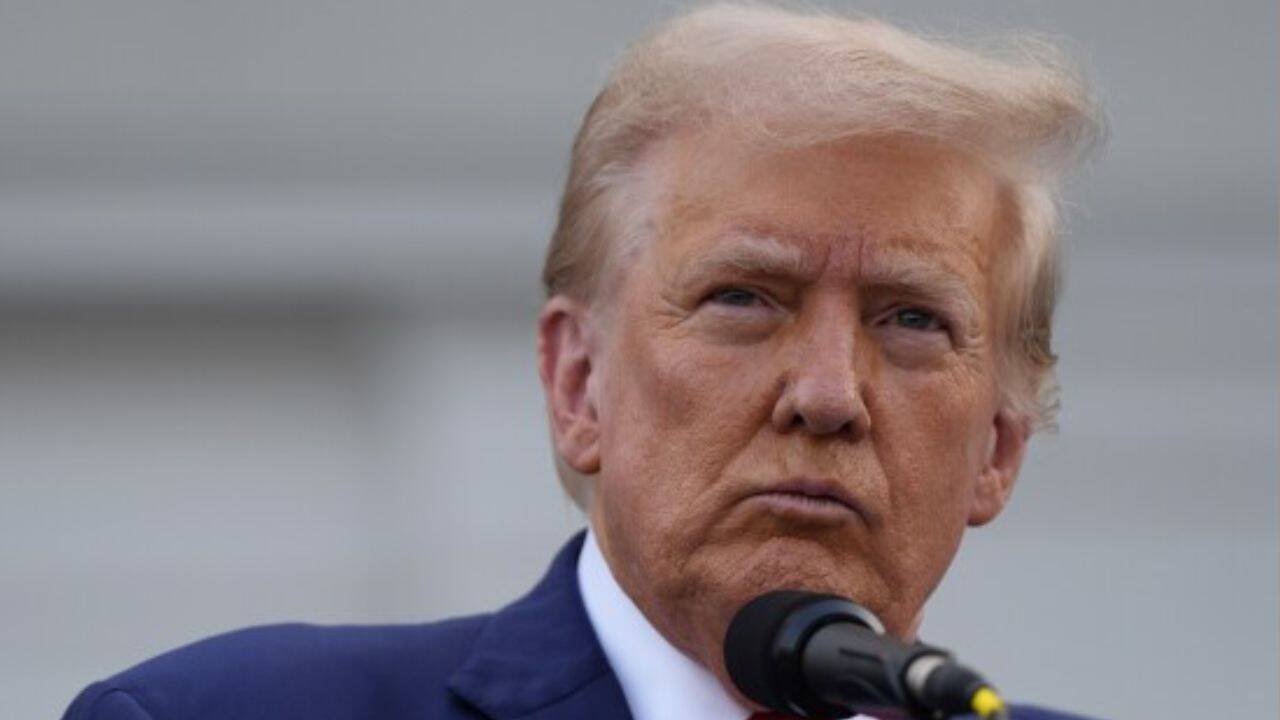 Trump Calls for Prosecution of Democrat Mary Peltola Over Alleged Voter‑Confusion Scheme in Alaska
 Alaska Senate Race Stirred by 'Ballot Stacking' Controversy
 Alaska Senate Race Draws Scrutiny Over Two Candidates Named Dan Sullivan Ahead of Midterms
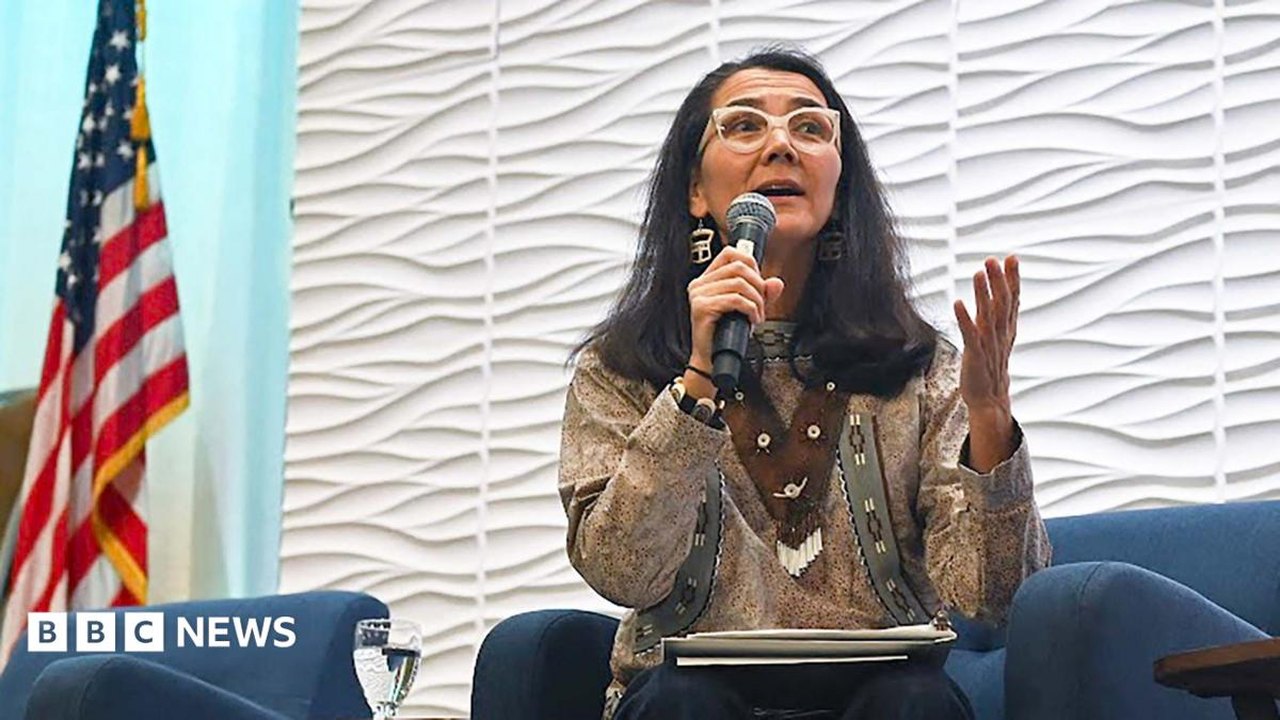 Alaska Senate Candidate Mary Peltola Denies Knowledge of Alleged Spoiler Plot
Trending on GlobeWire Daily
Selected from recent coverage and related topics; not live search rankings.
 Madhya Pradesh Government Plans Revenue Generation from 117-Year-Old Edward Villa in Mumbai Through Leasing
 iPhone 18 Pro Named TechRadar Product of the Year 2026
 Google Project Suncatcher Runs Gemma 4 AI on Orbiting Satellite and Receives First Response
 Gender Disparities in Eye Care Access Across India Examined
 Satellite Images Show Cyclone Arnab Weakening Over India As New System Brews
 Expanding Green and Blue Spaces Crucial for India's Economic and Public Health, Reports Indicate