A New Benchmark for De-Aging Comes From Slowly Turning Back Cells’ Clocks
· GlobeWire Daily Science Desk · Source: www.wired.com
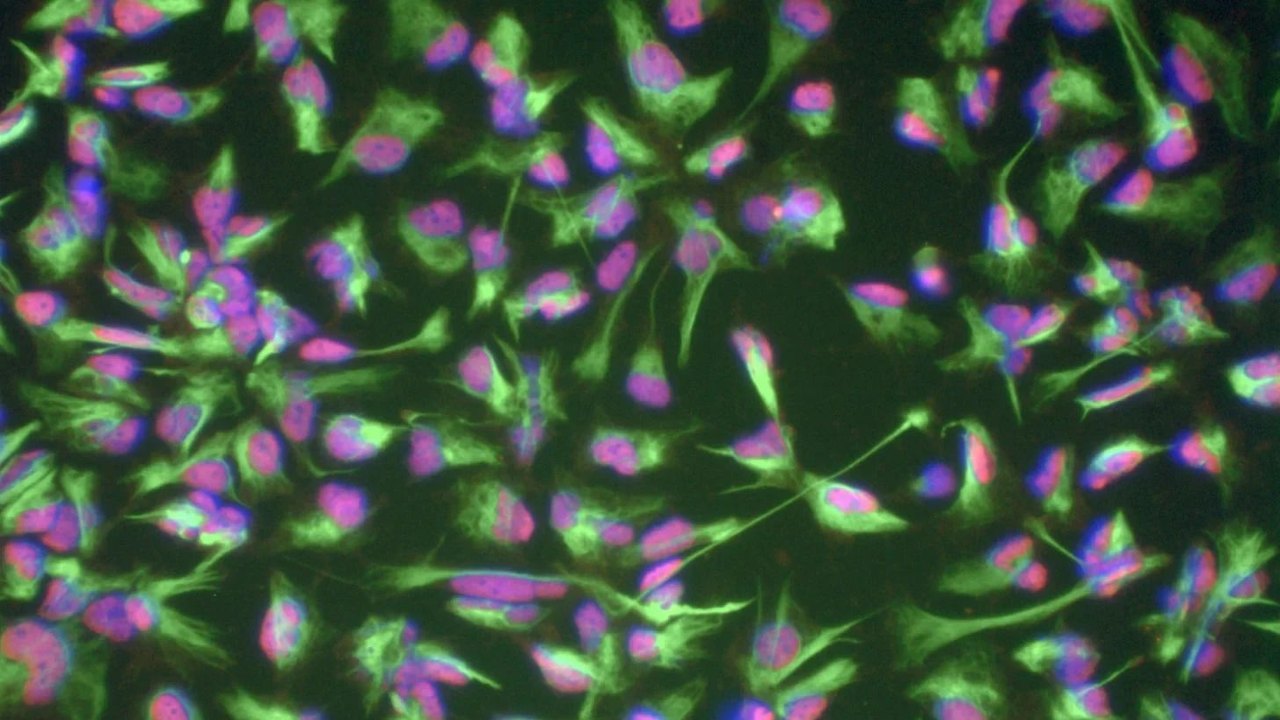
Image: Jorge Garay · Photo source · Resized and letterboxed to 16:9; no AI generation
Scientists have published a new study exploring a method to de-age adult blood cells without converting them into embryonic-like stem cells. The research, conducted by a team including stem cell professor Oliver Brüstle at Bonn University and published in *Aging Cell*, offers a novel model for studying the biological aging process step by step.
While converting adult cells into pluripotent stem cells has long been possible, those methods carry significant risks for anti-aging applications. Pluripotent cells can differentiate into any cell type, and the key genes involved can drive cancer formation if they remain active. To avoid these hazards, Brüstle and his colleagues bypassed the pluripotent state entirely.
Slowing Down the Clock
In the study, researchers took blood cells from donors of various ages—ranging from an infant to a 101-year-old—and guided them into a younger state. Key findings from the research include:
- Biomarker Reversal: Over a period of less than two months of reprogramming, specific chemical signals in the DNA associated with aging were altered, with one biomarker rolling back by as much as 60 years.
- Independent of Cell Division: The apparent rejuvenation continued even when researchers drastically reduced the cells' ability to multiply, indicating the effect is not solely caused by repeated cell division.
- Neuronal Conversion: The team also shifted the blood cells into a type of cell that produces neurons, though the authors noted that blood cells and neurons age on different timelines.
Practical Implications and Next Steps
Despite these intriguing results, the exact mechanism that erases the signs of aging remains unclear. Researchers emphasize that the primary value of the study lies in slowing down the transformation. Because traditional stem cell conversion is instantaneous, it offers little opportunity to observe how cells shed age markers.
By slowing the clock, the new method provides a model to test interventions and dissect the de-aging process. However, experts caution that applying such techniques systemically in patients requires a thorough understanding of the underlying mechanisms to ensure safety outside the laboratory.
Readers interested in verifying these claims can review the published paper in *Aging Cell* or consult institutional updates from Bonn University.
AI-assisted reporting; source claims are attributed and have not been independently verified.
More to read
 Scientists Find Silk Traces on 101 Ancient Chinese Ritual Objects Dating Back 3,000 Years
 Boston Dynamics Employees Push Back Against ICE Robot Dog Contract
 Parents of Teen Who Died of Breast Cancer Back New Scottish Medical Guidelines
 Kushinagar: Officials Urge Youth Turning 18 to Enroll in Electoral Roll