Scientists Find Silk Traces on 101 Ancient Chinese Ritual Objects Dating Back 3,000 Years
· GlobeWire Daily Science Desk · Source: timesofindia.indiatimes.com
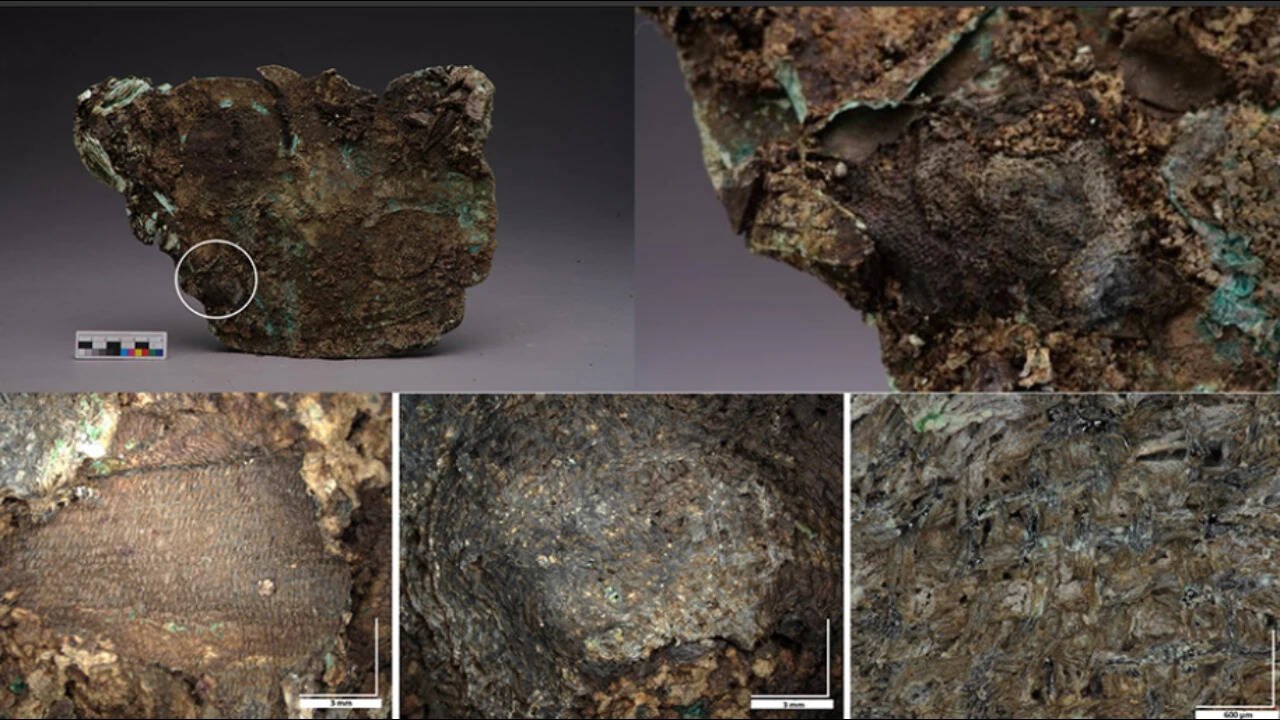
Image: The Times of India · Photo source · Resized and letterboxed to 16:9; no AI generation
Scientists examining 3,000-year-old objects recovered from the Sanxingdui archaeological site in China's Sichuan Province have reported finding traces of silk on 101 artifacts, including bronze masks, gold, jade, and ivory items. A study published in the journal Antiquity outlines how researchers used microscopic and chemical tests to analyze the remains. The findings suggest that the ancient Shu people may have used silk to wrap or cover valuable objects during religious ceremonies, and some fabric samples also displayed traces of red coloring.
Examination of Microscopic Fibers and Red Pigment
Because the silk remains were largely too small or damaged to be examined as ordinary cloth, researchers utilized advanced scientific techniques:
- Scanning Electron Microscopy (SEM): Allowed scientists to examine surfaces and shapes, revealing smooth threads averaging about 10 micrometres in diameter, resembling natural mulberry silk.
- Fourier-Transform Infrared Spectroscopy (FTIR): Used to study chemical structure, confirming the presence of proteins and helping distinguish the threads from animal hair.
- Pigment Analysis: Detected bright-red particles identified as ochre, alongside calcite, while other samples showed deep-red substances that had penetrated the fibers, suggesting organic dyes.
Ritual Placement and Preservation
The positioning of the silk within the sacrificial pits provided additional context for researchers. In some recently excavated pits, fabric was discovered underneath artifacts, and certain objects—such as a circular bronze ornament—carried up to five identifiable layers. This arrangement indicates that silk may have been deliberately placed around or beneath objects during rituals, possibly for protection, covering, or as part of the offerings themselves.
While silk normally deteriorates underground, preservation at Sanxingdui occurred largely through mineralization, where corroding bronze interacted with the fibers. Other pieces became carbonized or showed varying forms of deterioration.
Practical Implications and Verification
This discovery sheds light on the textile practices and ceremonial customs of the Late Shang period between 1300 and 1046 BC. Researchers have not confirmed whether the silk was produced locally, nor is there direct evidence that the fabric carried writing or symbols, despite textile tools being found at the site. Readers can verify the original findings by consulting the published study in the journal Antiquity.
AI-assisted reporting; source claims are attributed and have not been independently verified.
More to read
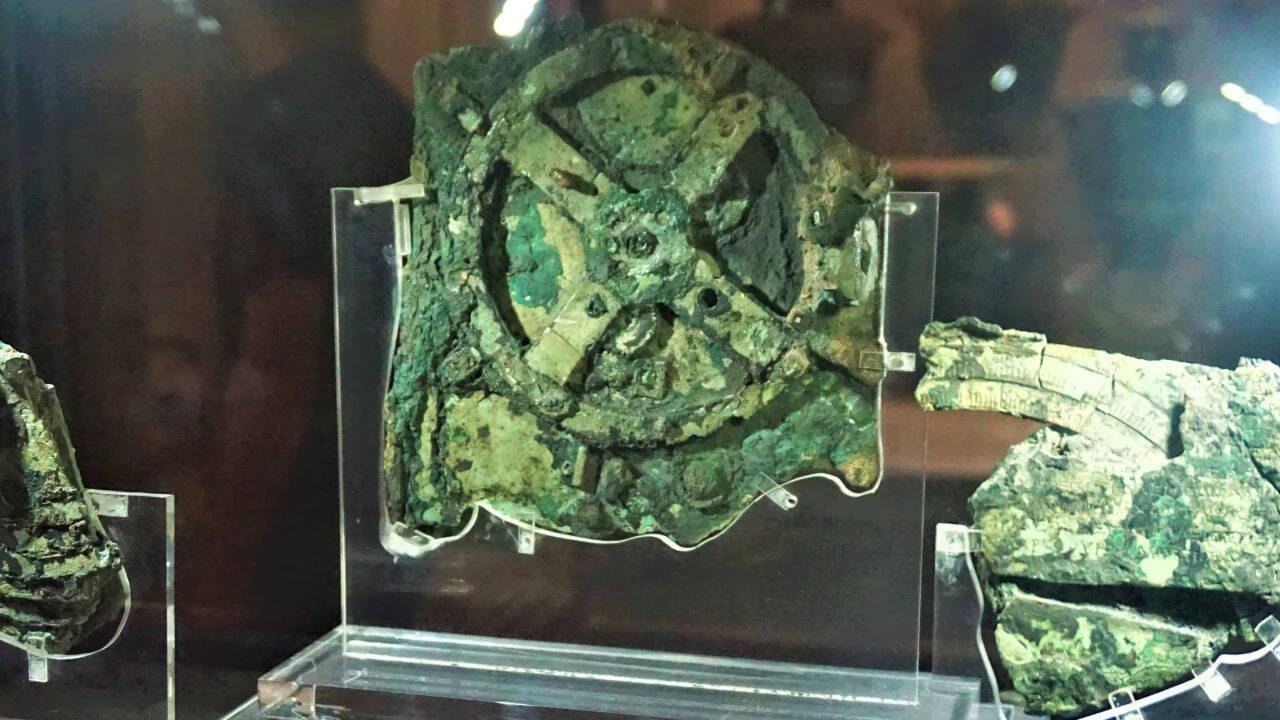 Ancient Greek Antikythera Mechanism Revealed as 2,000-Year-Old Eclipse Predictor
 Ancient Spanish Copper Mine Las Minillas Linked to Scandinavian Bronze Objects in Study
 3,700-Year-Old Bronze Age Burial in Spain May Reflect an Ancient Magical Ritual
 Critical GitLab Flaw CVE-2026-110264 Carries CVSS 10.0 Rating and Affects Versions Dating Back to 2014
Trending on GlobeWire Daily
Selected from recent coverage and related topics; not live search rankings.
 Madhya Pradesh Government Plans Revenue Generation from 117-Year-Old Edward Villa in Mumbai Through Leasing
 iPhone 18 Pro Named TechRadar Product of the Year 2026
 Google Project Suncatcher Runs Gemma 4 AI on Orbiting Satellite and Receives First Response
 Gender Disparities in Eye Care Access Across India Examined
 Satellite Images Show Cyclone Arnab Weakening Over India As New System Brews
 Expanding Green and Blue Spaces Crucial for India's Economic and Public Health, Reports Indicate