Ancient Greek Antikythera Mechanism Revealed as 2,000-Year-Old Eclipse Predictor
· GlobeWire Daily Science Desk · Source: timesofindia.indiatimes.com
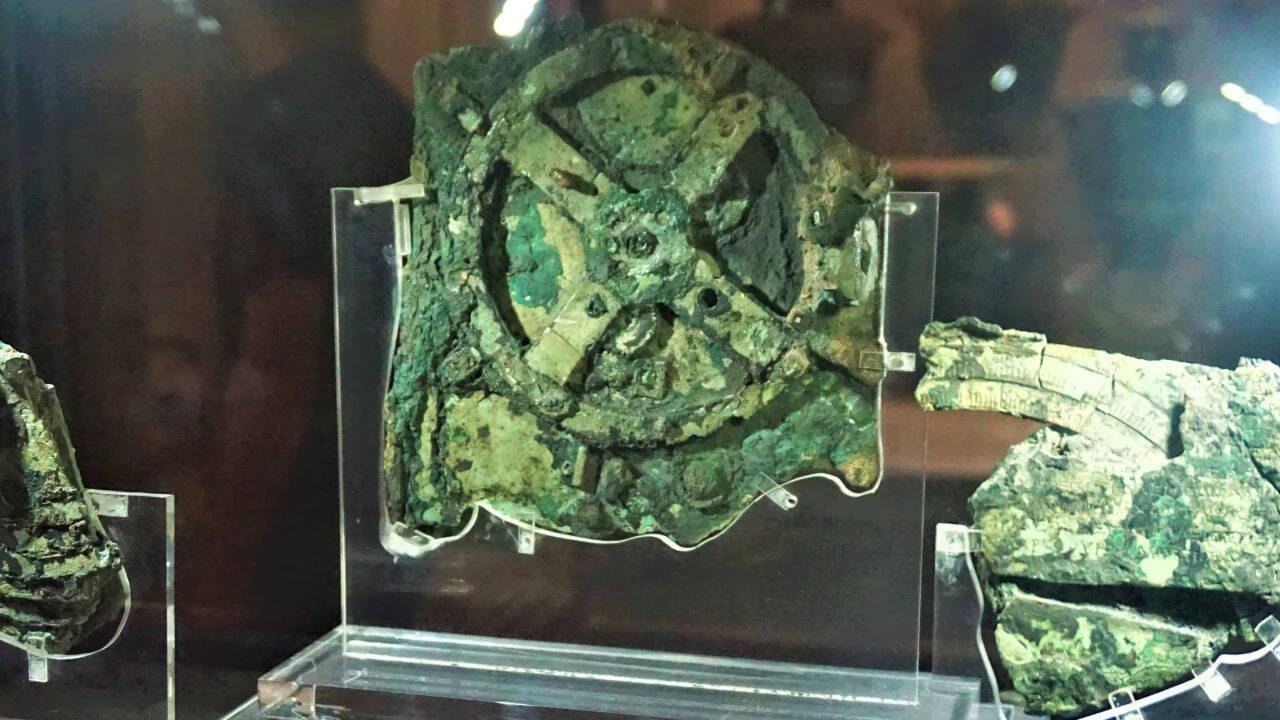
Image: The Times of India · Photo source · Resized and letterboxed to 16:9; no AI generation
A corroded lump of bronze recovered from a 2,000-year-old shipwreck near the Greek island of Antikythera has been identified through modern imaging as an advanced astronomical calculator built to track celestial movements and predict eclipses.
Discovery and Recovery
- The Shipwreck: In 1900, Greek sponge divers exploring a seabed off the coast of Antikythera discovered a large cargo vessel containing pottery, glassware, and statues.
- Recovery Efforts: Artefacts were recovered from 1901 onwards and brought to the National Archaeological Museum in Athens.
- Initial Oversight: Among the gathered items was a heavily corroded mass of bronze that initially attracted little attention until archaeologists noticed toothed gears in 1902.
Technological Complexity
Modern research, including high-resolution X-ray tomography published in studies such as a 2006 Nature report by Tony Freeth and colleagues, illuminated the internal structure of the Antikythera Mechanism.
- Interlocking Gears: The device contains at least 30 bronze gear wheels.
- Celestial Tracking: It calculated astronomical cycles, tracked the movements of the Sun and Moon, and predicted solar and lunar eclipses.
- Cultural Calendars: Research indicates it featured an Olympiad-related display tracking the four-year cycle of ancient athletic competitions, bridging astronomy with cultural timekeeping.
- Planetary Displays: A 2018 review in Nature Astronomy by John H. Seiradakis and Mike Edmunds discussed inscriptions supporting the possibility that it also displayed planetary positions.
Ongoing Uncertainties
Despite decades of scientific analysis, significant questions remain regarding the device:
- Maker and Owner: The exact creator and the intended recipient remain unknown.
- Timeline: While the shipwreck dates to the first century BC, the mechanism is believed to have been manufactured earlier in the second century BC.
- Loss of Knowledge: No comparable device of similar mechanical complexity appears in historical records for centuries afterward.
Practical implications include appreciating the advanced state of ancient mechanical engineering. Readers can verify these findings through published scientific literature in journals like *Nature* and *Nature Astronomy* or by visiting the National Archaeological Museum in Athens where the fragments are housed.
AI-assisted reporting; source claims are attributed and have not been independently verified.
More to read
 2,000-Year-Old Carbonised Bread from Herculaneum Reveals Ancient Roman Baking Methods
 4.1-Billion-Year-Old Martian Meteorite Found in Sahara Desert Offers Clues to Ancient Water
 3,700-Year-Old Bronze Age Burial in Spain May Reflect an Ancient Magical Ritual
 2,000-Year-Old Roman Face Cream Discovered With Fingerprints Intact
Trending on GlobeWire Daily
Selected from recent coverage and related topics; not live search rankings.
 Madhya Pradesh Government Plans Revenue Generation from 117-Year-Old Edward Villa in Mumbai Through Leasing
 iPhone 18 Pro Named TechRadar Product of the Year 2026
 Google Project Suncatcher Runs Gemma 4 AI on Orbiting Satellite and Receives First Response
 Gender Disparities in Eye Care Access Across India Examined
 Satellite Images Show Cyclone Arnab Weakening Over India As New System Brews
 Expanding Green and Blue Spaces Crucial for India's Economic and Public Health, Reports Indicate