2,000-Year-Old Roman Face Cream Discovered With Fingerprints Intact
· GlobeWire Daily Science Desk · Source: timesofindia.indiatimes.com
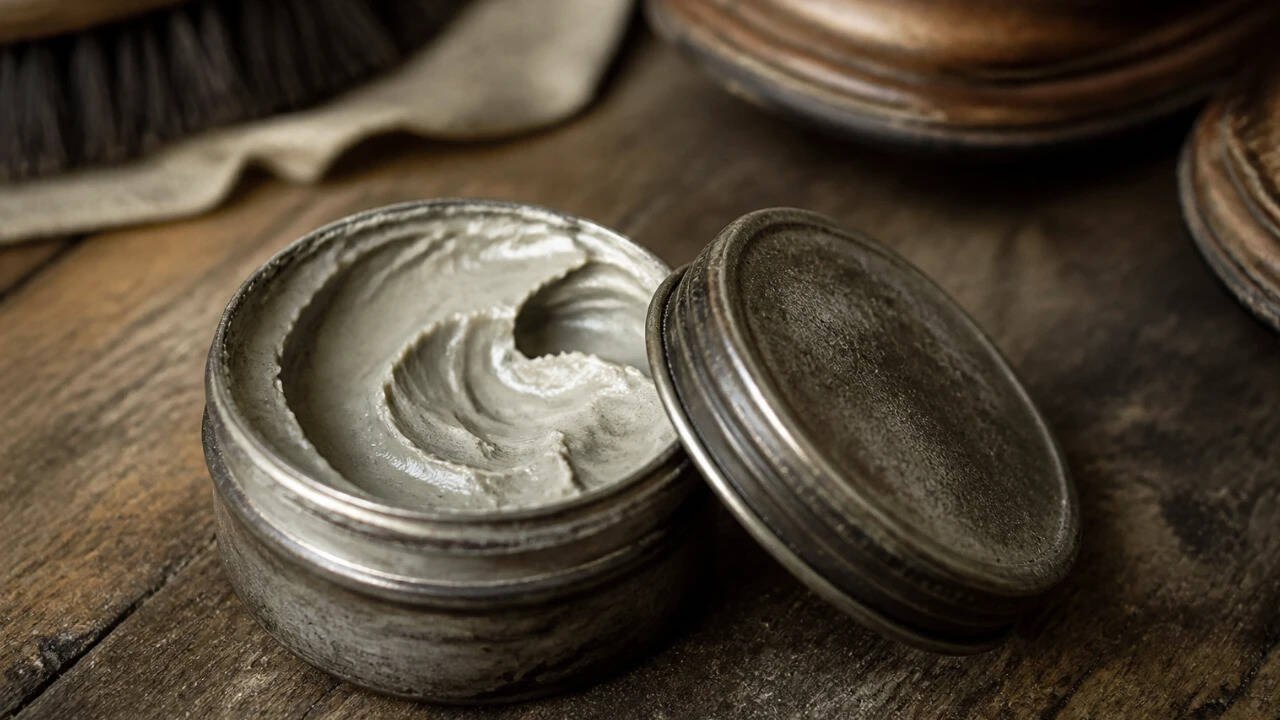
Image: The Times of India · Photo source · Resized and letterboxed to 16:9; no AI generation
Archaeological findings from a 2003 excavation in London revealed a sealed Roman-era container holding an ancient cosmetic cream, complete with visible fingerprints left by its last user nearly two millennia ago.
In July 2003, archaeologists working at a Roman temple complex site at Tabard Square in Southwark, London, recovered a small, sealed metal pot. Dating to approximately the middle of the 2nd century AD, the roughly 6-centimeter container was preserved well enough to protect the white paste inside. When conservators opened the tin, they observed delicate finger impressions left by someone who had scooped out the substance almost 2,000 years prior.
Scientific Analysis of the Ancient Paste
Following the discovery, researchers from the University of Bristol conducted a detailed chemical examination of the cream, publishing their findings in the scientific journal *Nature* in 2004.
- Animal Fat: Comprising roughly 40 percent of the mixture, likely sourced from a cow, sheep, or goat, providing a moisturizing base.
- Starch: Accounting for another 40 percent, utilized to reduce the greasy feel of the animal fat.
- Tin Oxide: The remaining component, which gave the paste its distinctive white pigment.
While some Roman-era white face preparations utilized hazardous lead compounds, the London cream used tin oxide for its pale appearance. Researchers noted its presence as significant, though the discovery does not definitively prove whether the maker intentionally selected it as a safer alternative to lead-based mixtures.
Recreation and Modern Parallels
Led by researcher Richard Evershed, the University of Bristol team used the chemical findings to recreate the cream using fresh materials. The replicated mixture yielded a smooth, white substance with a powdery texture and coverage comparable to modern foundation products. The starch contributed a softer finish, while the tin oxide provided the pale look.
Readers interested in verifying the original scientific details can consult the 2004 *Nature* journal study by Evershed et al. Practical implications of the find are historical and archaeological rather than commercial, offering a tangible link to daily life and personal care practices in Roman London while keeping the identity of the original user anonymous.
AI-assisted reporting; source claims are attributed and have not been independently verified.
More to read
 2,000-Year-Old Carbonised Bread from Herculaneum Reveals Ancient Roman Baking Methods
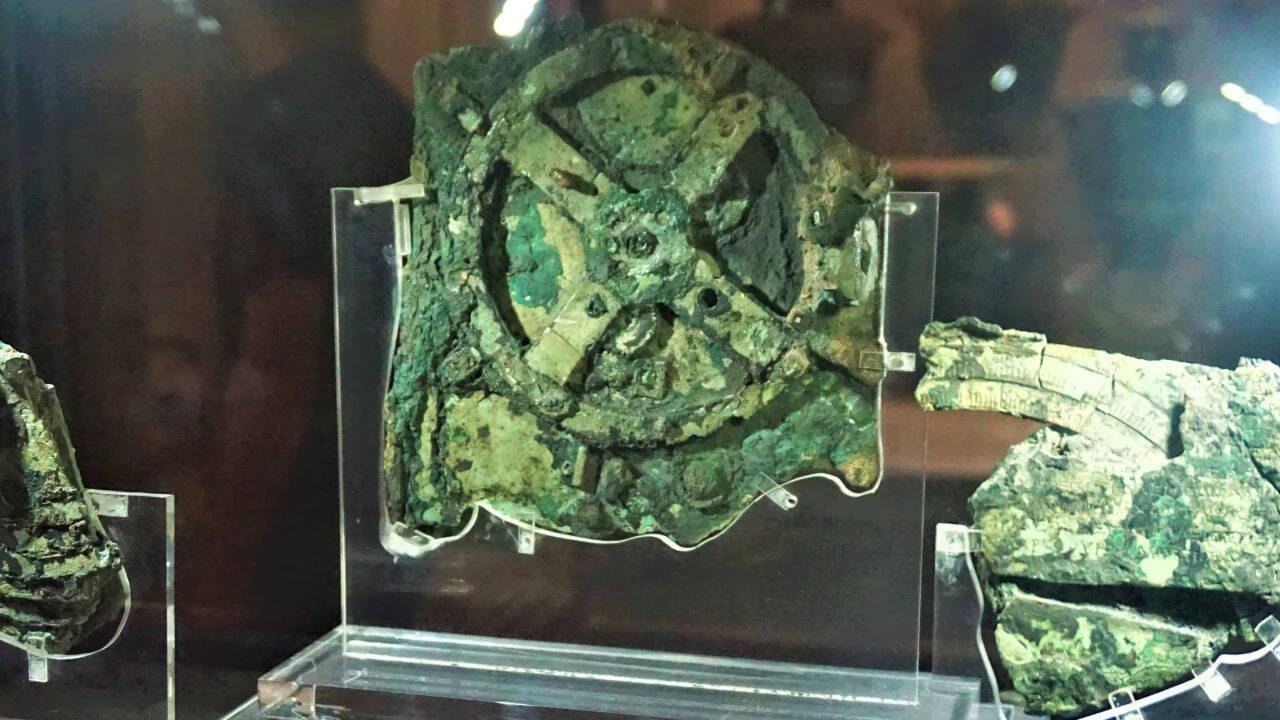 Ancient Greek Antikythera Mechanism Revealed as 2,000-Year-Old Eclipse Predictor
 Scientists Re-create 1,600-Year-Old Roman Recipe Behind the Lycurgus Cup's Optical Mystery
 Pompeii's 2,000-year-old 'Cave Canem' shows Romans had dog warnings too
Trending on GlobeWire Daily
Selected from recent coverage and related topics; not live search rankings.
 Madhya Pradesh Government Plans Revenue Generation from 117-Year-Old Edward Villa in Mumbai Through Leasing
 iPhone 18 Pro Named TechRadar Product of the Year 2026
 Google Project Suncatcher Runs Gemma 4 AI on Orbiting Satellite and Receives First Response
 Gender Disparities in Eye Care Access Across India Examined
 Satellite Images Show Cyclone Arnab Weakening Over India As New System Brews
 Expanding Green and Blue Spaces Crucial for India's Economic and Public Health, Reports Indicate