Pompeii's 2,000-year-old 'Cave Canem' shows Romans had dog warnings too
· GlobeWire Daily World Desk · Source: timesofindia.indiatimes.com
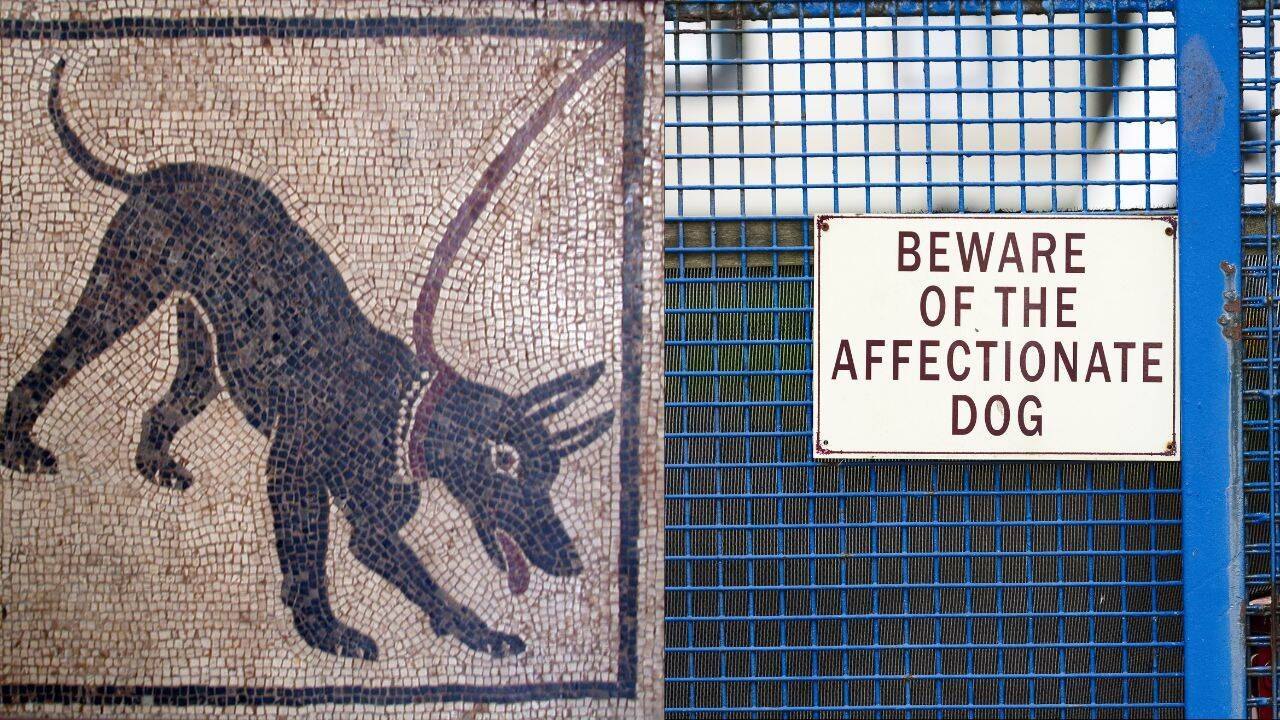
Image: The Times of India · Photo source · Resized and letterboxed to 16:9; no AI generation
The Ancient Origins of 'Beware of the Dog'
Modern warning signs about dogs outside homes might feel contemporary, but historical evidence shows the practice dates back at least 2,000 years. In the ancient Roman city of Pompeii, visitors were greeted by a striking mosaic featuring the Latin phrase “CAVE CANEM”, which translates to “Beware of the Dog.”
Reported findings from archaeological excavations indicate this famous mosaic was uncovered between 1824 and 1825 in the House of the Tragic Poet (Regio VI, Insula 8). Rather than a simple, passive notice, the artwork depicts a fierce, lunging dog with a spiked collar, designed to intimidate potential thieves and unauthorized visitors at the home's entrance, known as the *vestibulum*.
Practical and Social Functions of Roman Guard Dogs
According to historical records and literary references, guard dogs played a vital security role in ancient Roman households:
- Protection against intruders: Writers such as Virgil noted that guard dogs helped protect properties from midnight thieves and wolves.
- Strategic coloring: Roman agricultural writer Columella suggested that dark-colored dogs were preferred because they could intimidate trespassers during the day while remaining less visible at night.
- Sign of status: Crafting intricate mosaics required significant investment. While the House of the Tragic Poet was not the largest residence in Pompeii, its detailed frescoes and mosaics reflected the taste and social standing of its inhabitants.
Contrasting Entrances in Roman Homes
The entranceway served as a crucial boundary between the public street and the private family sphere. Depending on the homeowner's preference, an entryway could offer a warm welcome with phrases like *Salve* (meaning “welcome”) or deliver a stark warning through the *Cave Canem* mosaic. Literary mentions, such as a scene in Petronius’s first-century work *Satyricon*, suggest these warning signs were common enough to be recognized and even parodied in literature.
Verifying Historical Claims
To verify details regarding archaeological discoveries in Pompeii, researchers and history enthusiasts can consult official reports from the Archaeological Park of Pompeii (*Parco Archeologico di Pompeii*) or peer-reviewed academic publications on Roman domestic architecture and art history.
AI-assisted reporting; source claims are attributed and have not been independently verified.
More to read
 Jake Paul Announces Boxing Return Against MMA Star Cedric Doumbe in Dubai
 California Real‑Estate CEO Sentenced to 18 Months for Concealing $2.2 Million Investor Losses
 New Zealand's Glenn Phillips Eyes World Record in Final T20I Against India
 Delhi Implements Fixed-Term Winter Pollution Curbs Starting November 1
Trending on GlobeWire Daily
Selected from recent coverage and related topics; not live search rankings.
New Zealand's Glenn Phillips Eyes World Record in Final T20I Against India Yamaha FZ750: Motorcycle Specifications, Facts and Verification Guide
 Ariel Ace: Motorcycle Specifications, Facts and Verification Guide
 Toyota Camry (XV70): Car Specifications, Facts and Verification Guide
 Lexus LS: Car Specifications, Facts and Verification Guide
 Redmi 12: Smartphone Specifications, Facts and Verification Guide