Scientists Re-create 1,600-Year-Old Roman Recipe Behind the Lycurgus Cup's Optical Mystery
· GlobeWire Daily Science Desk · Source: arstechnica.com
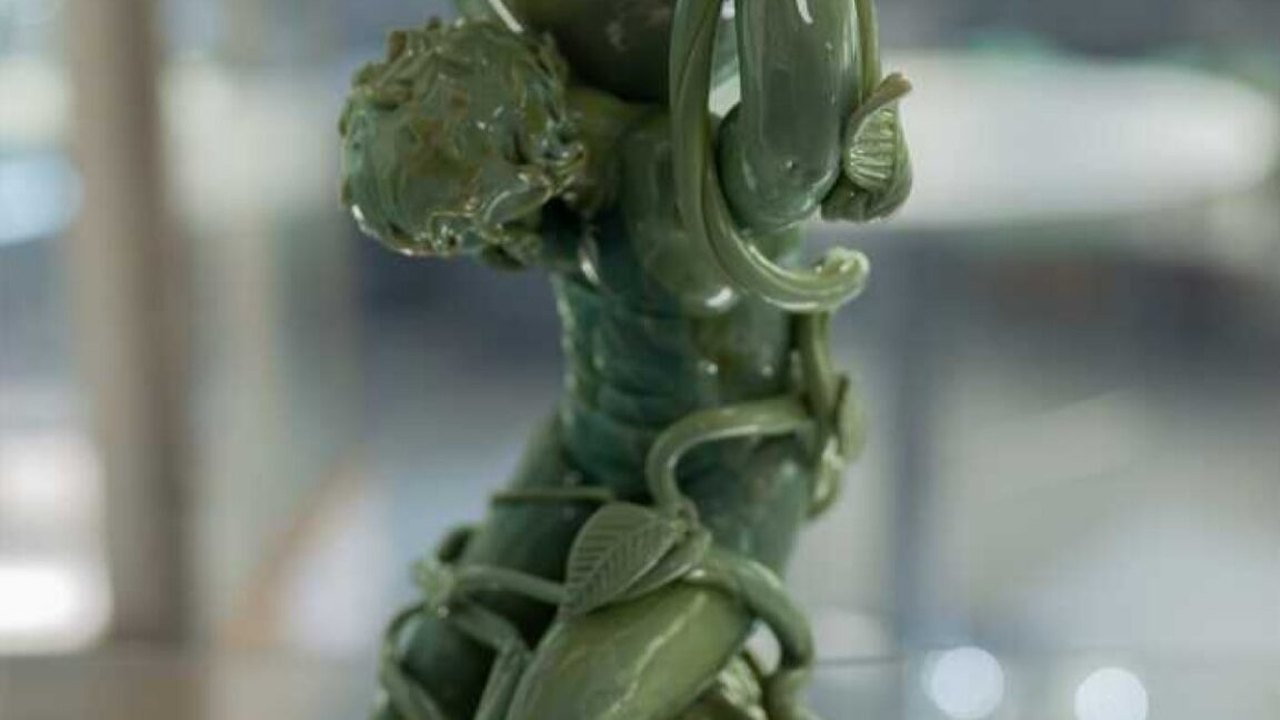
Image: arstechnica.com — Creative Commons
Researchers at the University of Sheffield have successfully replicated the ancient manufacturing recipe of the 1,600-year-old Lycurgus Cup, a famed Roman artifact known for shifting colors depending on how it is illuminated. Scientists paired historical analysis with modern material experimentation to produce a contemporary glass sculpture displaying the exact same dichroic properties as the original historic object.
Unlocking an Ancient Glassmaking Mystery
Dateable to around 400 CE, the Lycurgus Cup is widely recognized as one of the seven glass wonders of the world and is one of only 40 surviving Roman glass cage cups. The vessel—named after the depiction of King Lycurgus of Thrace on its surface—appears jade-green when lit from the front, but shifts to a deep ruby-red when illuminated from behind.
The underlying cause of this optical phenomenon remained unknown until 2007, when researchers discovered that the color shifts stem from microscopic nanoparticles embedded directly within the glass. Roman artisans achieved this by introducing finely ground gold and silver into the silica mix during melting. These metallic particles alter how electrons vibrate in response to external light, shifting the perceived color according to the observer's viewing angle.
While previous modern efforts have touched on replicating the effect—such as a 2020 Dutch project utilizing 3D-printable nanocomposites—developing a consistent, replicable glassmaking recipe had remained elusive until now.
Recreating the Recipe and Commissioning a Modern Sculpture
University of Sheffield scientist Lisa Hollands, alongside Roman glass expert Caroline Jackson, undertook the challenge of formulating a reliable recipe. Their experimental process involved testing various furnace types, atmospheric oxygen levels, raw materials, and even incorporating sugar into the batch.
Following successful experiments that produced glass exhibiting the signature green-to-red dichroic shift, the university commissioned UK glass artist Elliott Walker to design a contemporary homage. Walker blended classical artistic forms, drawing inspiration from the original Lycurgus narrative and the Farnese Atlas sculpture, to fashion a blown-glass piece that highlights the newly re-created material.
Practical Implications and Reader Verification
The successful reproduction of Roman dichroic glass bridges ancient craftsmanship with modern material science, offering insights into how historical artisans manipulated matter at the nanoscale. Projects of this nature contribute to broader material research initiatives, such as the UK's Molecular Photonic Breadboards, which explore how light-harnessing materials can support sustainable technologies.
Readers seeking to verify these findings, examine the historical background, or view upcoming exhibition schedules can consult the official coverage published by Ars Technica at https://arstechnica.com/science/2026/10/scientists-recreate-the-1600-year-old-recipe-of-lycurgus-cup/.
AI-assisted reporting; source claims are attributed and have not been independently verified.
More to read
 Heart Health and Diet: How Eating Fish May Support Cardiovascular Wellness
 New Study Suggests Human Fossil Fuel Emissions Halted the Onset of Another Ice Age
 OpenAI Venture Fund Backs Startup Developing Brain Implants for Cancer Detection and Treatment
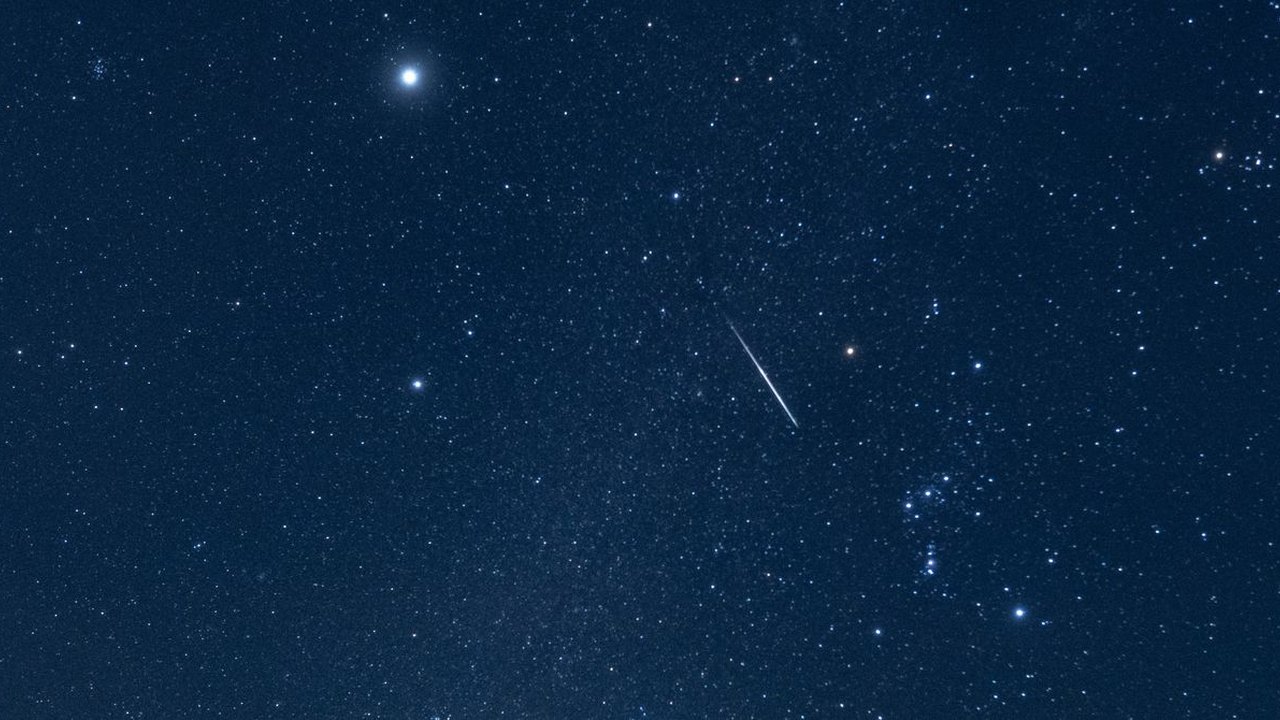 Orionid Meteor Shower Peak and Other October Astronomical Events to Watch
Trending on GlobeWire Daily
Selected from recent coverage and related topics; not live search rankings.
 MP High Court Opens Applications for 418 Stenographer and Assistant Posts: Key Dates and Eligibility
 WBPSC Announces 1145 Sub-Surveyor Vacancies: Important Dates, Eligibility, and Application Details
 Community and Social Services Career Openings Highlight Regional Employment Landscape
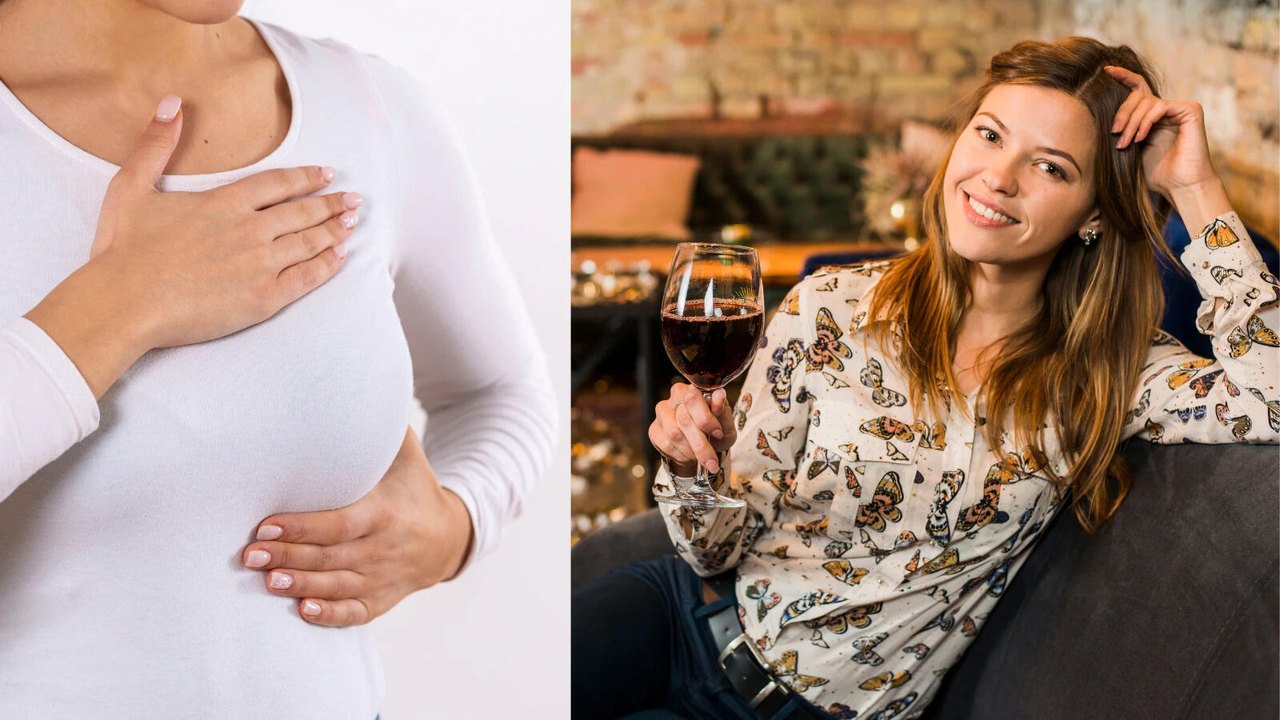 Weekend Alcohol Consumption and Women's Health: Examining the Science Behind Breast Cancer Risks
 Community and Social Services Openings Highlight Diverse Employment Landscape in Cheyenne, WY
 Karnataka School Education Department Extends Online Application Deadline for 2026 Teacher Recruitment to 16 November