OpenAI Venture Fund Backs Startup Developing Brain Implants for Cancer Detection and Treatment
· GlobeWire Daily Science Desk · Source: www.wired.com
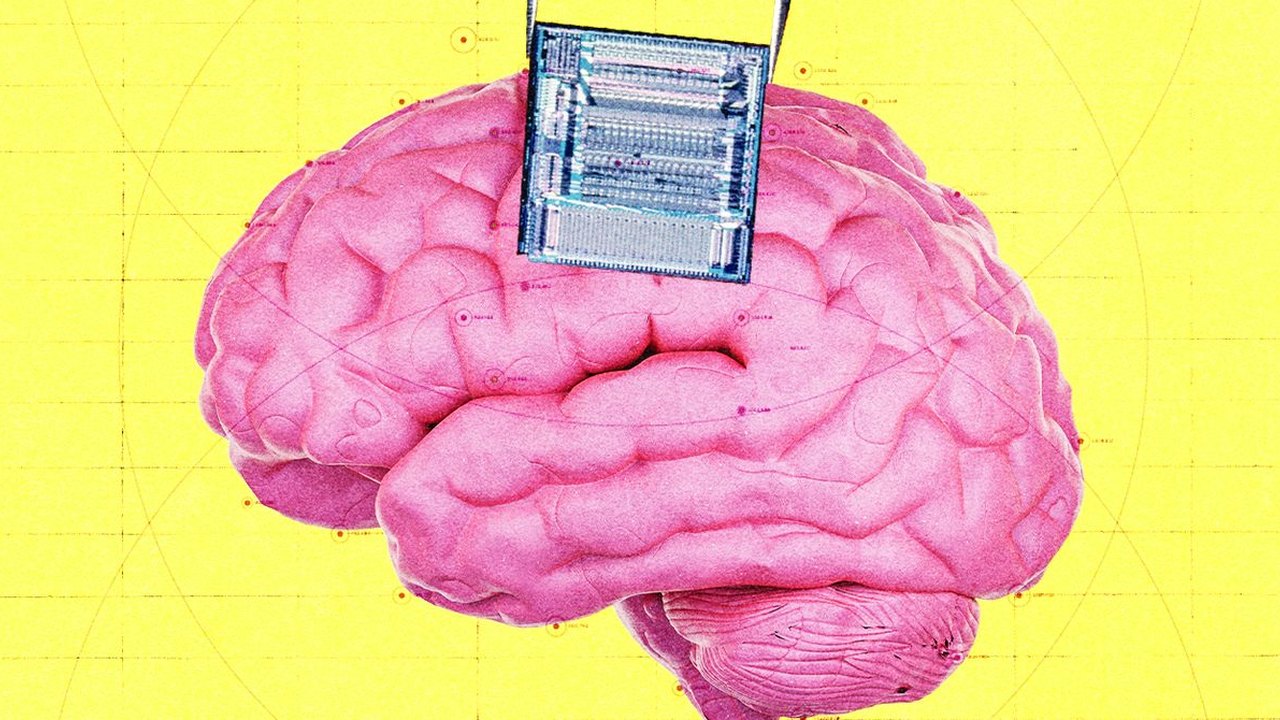
Image: Emily Mullin — Creative Commons
Funding and Strategic Backing
OpenAI’s venture capital arm and Peter Thiel’s Founders Fund have participated in a $45 million seed funding round for Coherence Neuro, a San Francisco-based startup developing brain-computer interface (BCI) technology. The investment highlights a growing financial and strategic intersection between artificial intelligence developers and neurotechnology companies aiming to decode complex neural data.
According to Coherence CEO and cofounder Ben Woodington, the convergence is driven by the vast datasets generated by brain-monitoring devices, which require advanced machine learning models to interpret. While major AI labs seek novel data sources to train models, BCI developers rely on AI to analyze raw neural signals that are too complex for human analysis.
Technology and Clinical Development
Unlike many prominent BCI companies that focus primarily on restoring movement or communication for paralyzed individuals, Coherence is developing AI models specifically designed to detect subtle electrical signals associated with brain tumors. The startup reports that it has previously identified these signals in animal models to track whether cancer is growing, shrinking, or recurring.
Clinical testing is currently underway. Over the summer, Coherence tested the recording capabilities of its implant in three human patients undergoing brain tumor removal surgery at the Royal Melbourne Hospital in Australia. The devices remained in place for approximately 30 minutes to conduct initial safety checks. The company plans to expand testing to an additional seven patients to evaluate both recording and electrical stimulation functions.
The long-term goal of the device is twofold: to detect cancer-related neural signals and to deliver mild electrical stimulation intended to halt tumor growth. Coherence intends to use its new funding to launch clinical trials for long-term implantation in patients diagnosed with glioblastoma, an aggressive form of brain cancer, with future aspirations to address cancers elsewhere in the body.
Privacy and Data Governance
As AI entities increasingly invest in neural technology, questions regarding patient data privacy have emerged. OpenAI previously announced a direct investment and collaborative partnership with Merge Labs—a BCI firm cofounded by OpenAI CEO Sam Altman—to work on scientific foundation models.
However, regarding Coherence Neuro, Woodington stated that OpenAI will not have access to patient health data. He noted that contractual arrangements do not permit the sharing of brain or health data generated by the startup with OpenAI.
Practical Implications and Verification
For readers and researchers following the intersection of neurotechnology and artificial intelligence, the development represents an emerging frontier in medical device engineering. However, the technology remains in early clinical evaluation phases.
- What is Confirmed: Coherence Neuro has secured a $45 million seed funding round featuring investments from OpenAI’s venture arm and Founders Fund. The company has conducted initial 30-minute safety tests of its implant in three surgical patients in Australia and plans further trials for glioblastoma treatment.
- What Remains Unknown: The long-term safety, clinical efficacy, and exact timeline for broader human clinical trials and regulatory approval have not yet been established.
- How to Verify: Readers can review the original reporting and official details through the [Wired Report](https://www.wired.com/story/openai-startup-brain-implants-detect-cancer/).
AI-assisted reporting; source claims are attributed and have not been independently verified.
More to read
 New Study Suggests Human Fossil Fuel Emissions Halted the Onset of Another Ice Age
 Orionid Meteor Shower Peak and Other October Astronomical Events to Watch
 ULA Aims for Friday the 13th Return to Flight After Booster Anomaly
 Apple Updates iMac and Entry-Level MacBook Pro with M6 and N1 Chips
Trending on GlobeWire Daily
Selected from recent coverage and related topics; not live search rankings.
 Weekend Alcohol Consumption and Women's Health: Examining the Science Behind Breast Cancer Risks
 ARCI Recruitment 2026: Applications Open for 29 Technical, Administrative, and Scientific Posts
 Kendriya Vidyalaya and Navodaya Vidyalaya Recruitment 2025: 14,967 Vacancies Open
 Karnataka School Education Department Extends Online Application Deadline for 2026 Teacher Recruitment to 16 November
 KRDP Recruitment 2026: Online Applications Open for 12,878 Group B and C Vacancies
 RRB Releases 2026 Station Master Recruitment Notification for 1,265 Posts