2,000-Year-Old Carbonised Bread from Herculaneum Reveals Ancient Roman Baking Methods
· GlobeWire Daily World Desk · Source: timesofindia.indiatimes.com

Image: The Times of India · Photo source · Resized and letterboxed to 16:9; no AI generation
When Mount Vesuvius erupted in AD 79, a round loaf of bread remained inside an oven in the ancient Roman town of Herculaneum, where it was buried and carbonised under volcanic debris. Discovered during excavations in 1930, the artifact survived nearly two millennia, offering researchers a rare look at ancient food preparation.
Insights from the Herculaneum Archaeological Park
Information from Italy's Herculaneum Archaeological Park indicates that Roman bakers often cut lines across the surface of round, flattened loaves before baking to allow easy portioning.
- Panis Quadratus: One common design featured eight sections, named after the Latin word 'quadra'.
- Alternative Designs: Archaeologists also recovered two well-preserved loaves with six sections each from the House of the Brick Altar and the Palestra area.
- Bakers' Stamps: Loaves often carried rectangular stamps, such as the letters "VM" found on a six-section loaf, which likely helped identify ownership when households used shared public ovens.
Modern Recreation and Other Finds
The British Museum featured the loaf in a 2013 exhibition, later sharing a recipe and preparation video in July 2020 based on a recreation by Italian chef Giorgio Locatelli. The process used wholemeal or plain flour, spelt or buckwheat flour, salt, sugar, water, and biga acida (sourdough). Additionally, archaeologists uncovered smaller flatbreads with geometric and plant-like patterns along the Lower Decumanus, which were likely displayed for sale in ancient food shops.
Readers can verify these archaeological findings by consulting publications from the Herculaneum Archaeological Park or archival resources from the British Museum.
AI-assisted reporting; source claims are attributed and have not been independently verified.
More to read
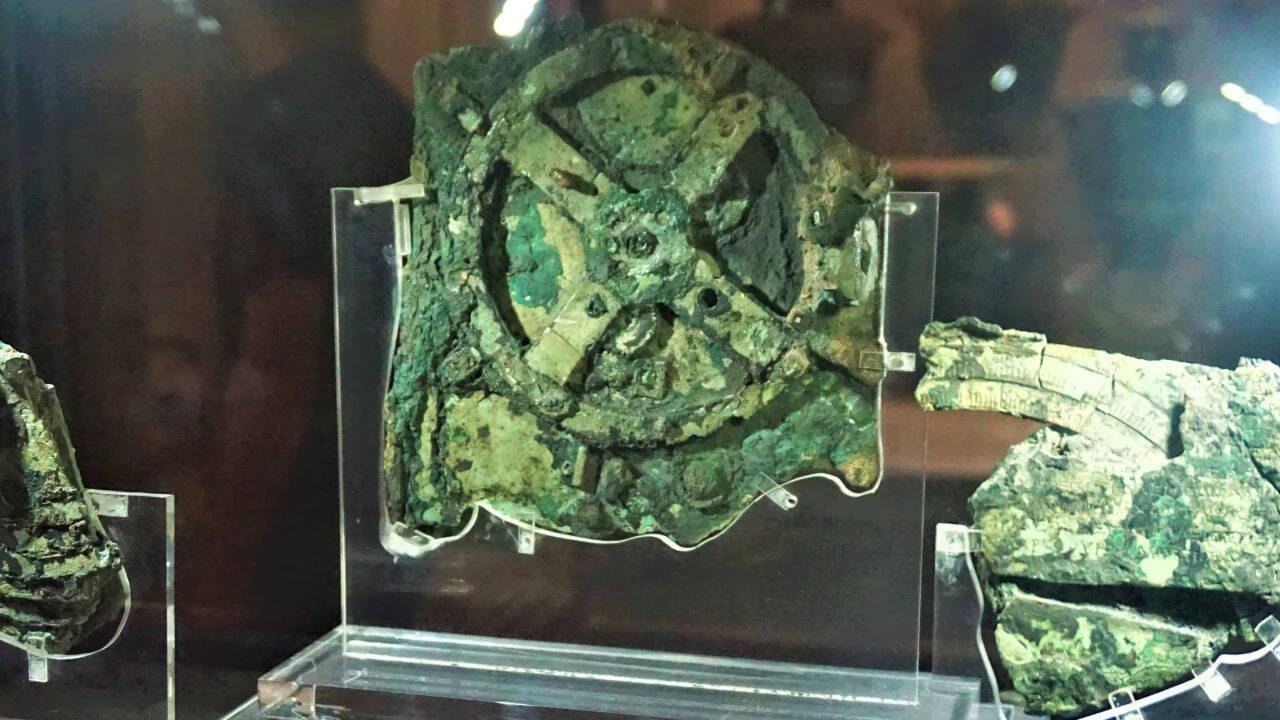 Ancient Greek Antikythera Mechanism Revealed as 2,000-Year-Old Eclipse Predictor
 2,000-Year-Old Roman Face Cream Discovered With Fingerprints Intact
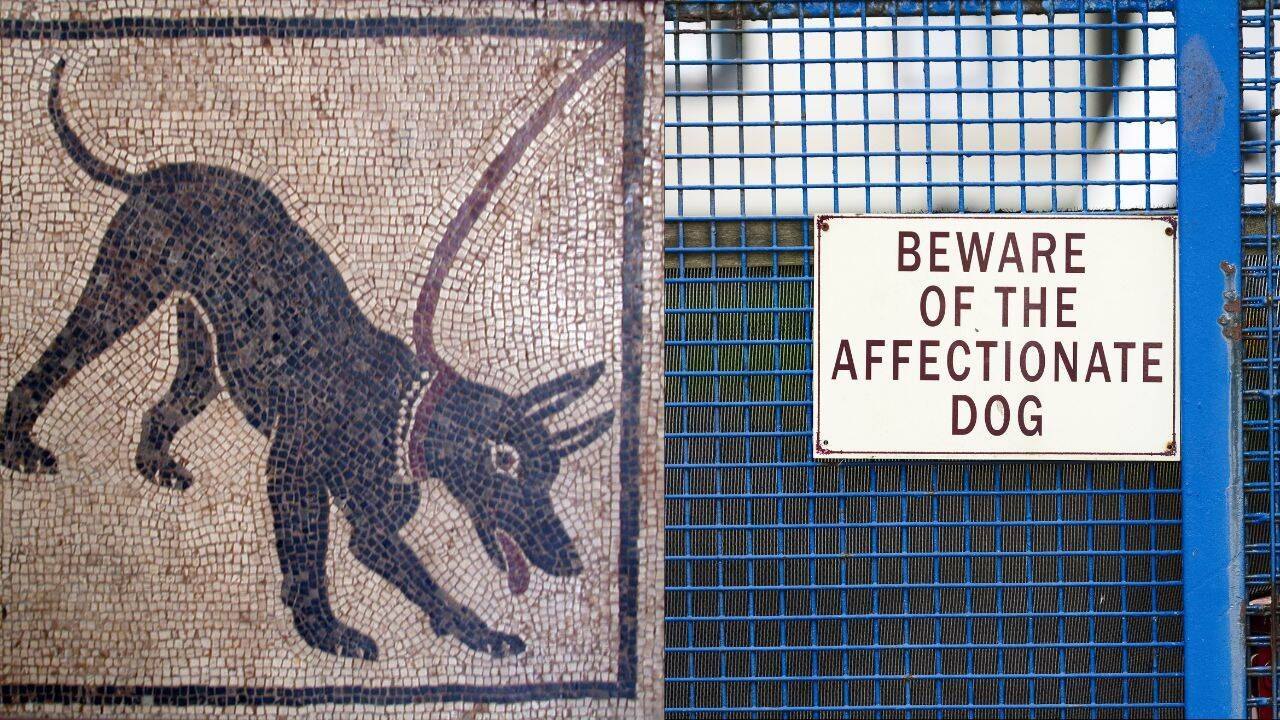 Pompeii's 2,000-year-old 'Cave Canem' shows Romans had dog warnings too
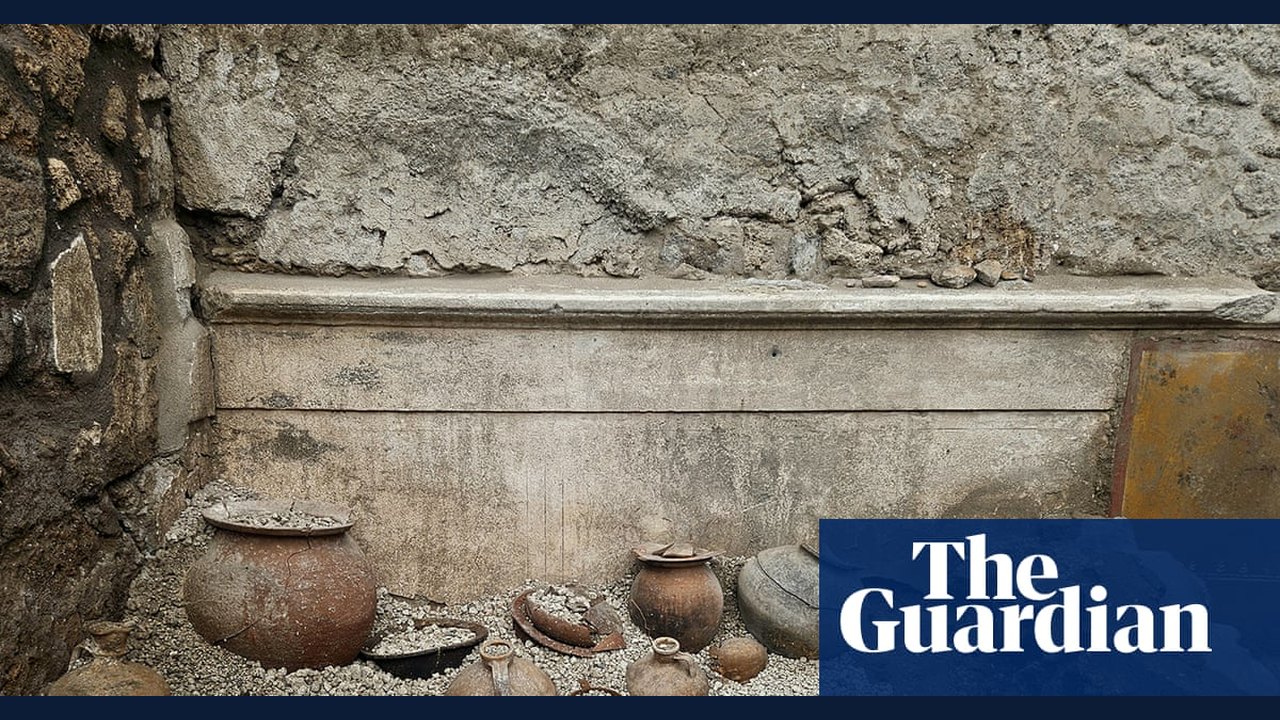 Pompeii Wardrobe Discovery Reveals Ancient Roman Personal Items and Child's Necklace
Trending on GlobeWire Daily
Selected from recent coverage and related topics; not live search rankings.
 Madhya Pradesh Government Plans Revenue Generation from 117-Year-Old Edward Villa in Mumbai Through Leasing
 iPhone 18 Pro Named TechRadar Product of the Year 2026
 Google Project Suncatcher Runs Gemma 4 AI on Orbiting Satellite and Receives First Response
 Gender Disparities in Eye Care Access Across India Examined
 Satellite Images Show Cyclone Arnab Weakening Over India As New System Brews
 Expanding Green and Blue Spaces Crucial for India's Economic and Public Health, Reports Indicate