4.1-Billion-Year-Old Martian Meteorite Found in Sahara Desert Offers Clues to Ancient Water
· GlobeWire Daily Science Desk · Source: timesofindia.indiatimes.com
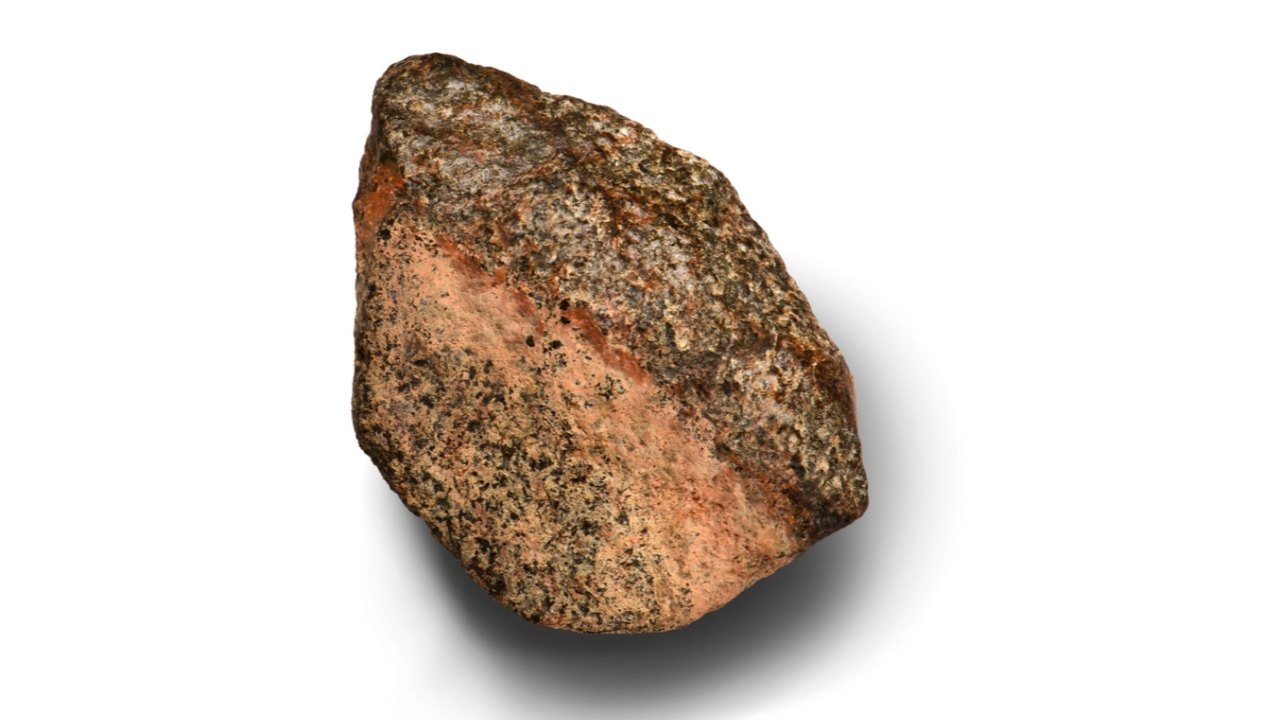
Image: The Times of India · Photo source · Resized and letterboxed to 16:9; no AI generation
A pink rock discovered in the Sahara Desert in 2022 has been confirmed by NASA-funded researchers to be a Martian meteorite that formed more than 4.1 billion years ago. Named Teghaza 001 after the salt plain in Mali where it was found, the 800-gram specimen preserves signs of ancient volcanic activity and early water-rock interactions on Mars.
According to findings published in the journal Science and detailed in an October 2026 NASA report, the meteorite is among the three oldest Martian meteorites ever identified on Earth. Researchers from institutions including NASA's Jet Propulsion Laboratory and the University of New Mexico utilized oxygen isotopes and in-situ rubidium-strontium dating to analyze tiny mineral grains while keeping the rare rock largely intact.
Mineral Insights and Ancient Water
- Zircon Crystals: Geologists studied these crystals to determine the rock's age and formation conditions.
- Igneous Minerals: Formed from cooling molten rock, providing data on early Martian crust development.
- Water Interaction: Mineral chemistry suggests water interacted with the planet's crust approximately 4.1 billion years ago.
Practical Implications and Verification
While researchers have matched the meteorite's chemical profile to 13 possible locations on Mars using data from the Mars Reconnaissance Orbiter—particularly resembling the southern highlands—its exact birthplace remains unknown. Further studies are planned to investigate how Mars evolved into a cold, dry planet and whether early conditions supported life.
Readers can review the original published studies in the journal Science and the official NASA reports to verify the methodologies and findings.
AI-assisted reporting; source claims are attributed and have not been independently verified.
More to read
 Ancient Greek Antikythera Mechanism Revealed as 2,000-Year-Old Eclipse Predictor
 3,700-Year-Old Bronze Age Burial in Spain May Reflect an Ancient Magical Ritual
 2,000-Year-Old Carbonised Bread from Herculaneum Reveals Ancient Roman Baking Methods
 Gorakhpur: Missing 80-Year-Old Woman Found Dead Behind Primary School
Trending on GlobeWire Daily
Selected from recent coverage and related topics; not live search rankings.
 Madhya Pradesh Government Plans Revenue Generation from 117-Year-Old Edward Villa in Mumbai Through Leasing
 iPhone 18 Pro Named TechRadar Product of the Year 2026
 Google Project Suncatcher Runs Gemma 4 AI on Orbiting Satellite and Receives First Response
 Gender Disparities in Eye Care Access Across India Examined
 Satellite Images Show Cyclone Arnab Weakening Over India As New System Brews
 Expanding Green and Blue Spaces Crucial for India's Economic and Public Health, Reports Indicate