3,700-Year-Old Bronze Age Burial in Spain May Reflect an Ancient Magical Ritual
· GlobeWire Daily Science Desk · Source: timesofindia.indiatimes.com
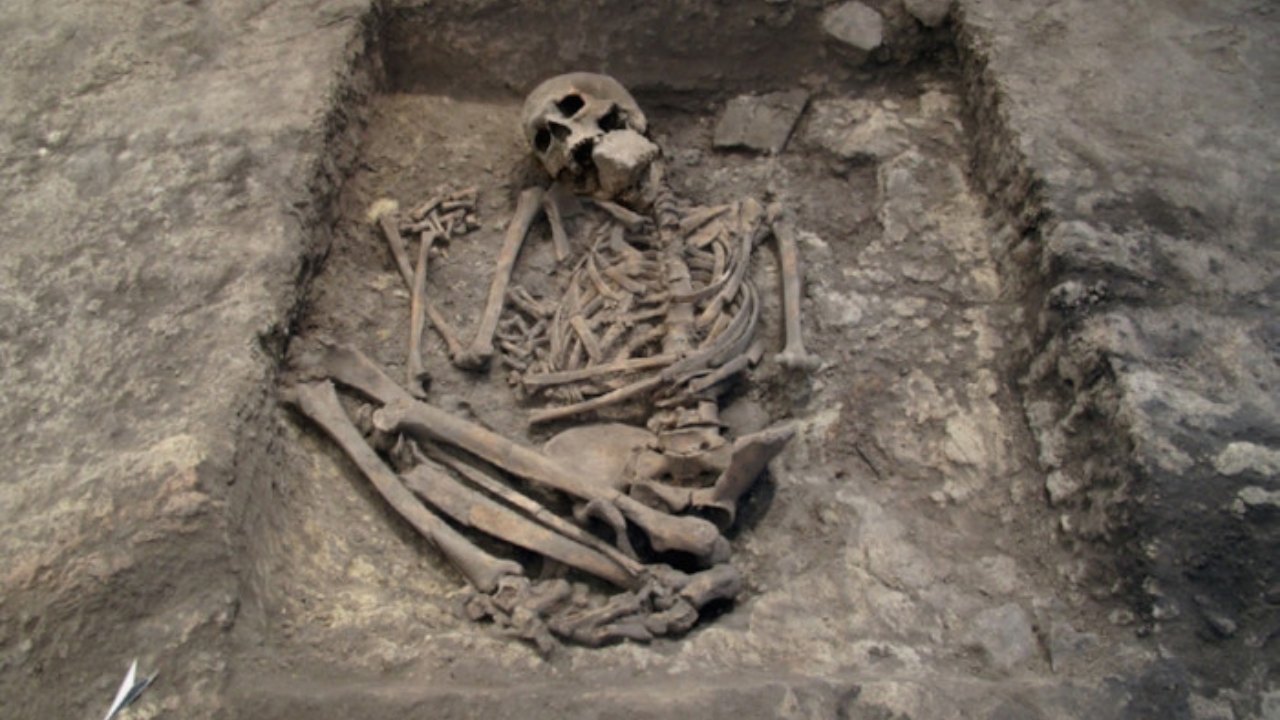
Image: The Times of India · Photo source · Resized and letterboxed to 16:9; no AI generation
A recent archaeological study suggests that a man buried nearly 3,700 years ago in southeastern Spain may have been the subject of a magical ritual designed to suppress supernatural forces, rather than simply being punished or humiliated. The research examines the remains of an individual known as AY5, found at the Bronze Age site of La Almoloya in Murcia.
Unconventional Burial Arrangement
The burial dates to Phase 3 of the El Argar culture, between approximately 1750 and 1550 BCE. According to the study, published by Marco Mazón Gomariz in the journal *Ilu. Revista de Ciencias de las Religiones* on October 5, 2026, the physical arrangement of the remains was highly unusual:
- Positioning: The man's face lay just one centimetre below the floor level of a large hall, allowing people to walk repeatedly over the area.
- Physical Constraints: A large stone had been placed inside his mouth.
- Lower Body: The lower portion of his body rested beneath a hearth.
- Grave Goods: No grave goods were found with the body.
Hypotheses and Comparisons
Earlier interpretations viewed the setup as a deliberate act of humiliation or punishment, keeping the man beneath the floorboards and silencing him with a stone. However, Mazón Gomariz proposes that the burial could represent a magical ritual of annihilation or domination, comparing the practice to historical traditions in ancient Egypt and the Near East where trampling or neutralizing enemies symbolized the suppression of chaos.
Key aspects of the study include:
- Genetic Links: Genetic analysis indicates AY5 was a third-degree relative of two other individuals buried at La Almoloya, suggesting he was connected to the community.
- Uncertain Intent: Because the El Argar culture left no written records, the researcher emphasizes that the magical-ritual explanation remains a hypothesis.
- Unknown Cause of Death: The skeleton lacks clear injuries to indicate how the man died, and the precise motive behind the treatment of his remains cannot be definitively proven.
Practical Implications and Verification
Readers interested in verifying these findings can consult the peer-reviewed paper titled 'Trampling the Enemy: A Possible Magical Ritual of Annihilation in El Argar' in *Ilu. Revista de Ciencias de las Religiones*. As the interpretation relies entirely on material evidence from archaeological excavations, further studies by researchers in Bronze Age southeastern Iberia may provide additional context.
AI-assisted reporting; source claims are attributed and have not been independently verified.
More to read
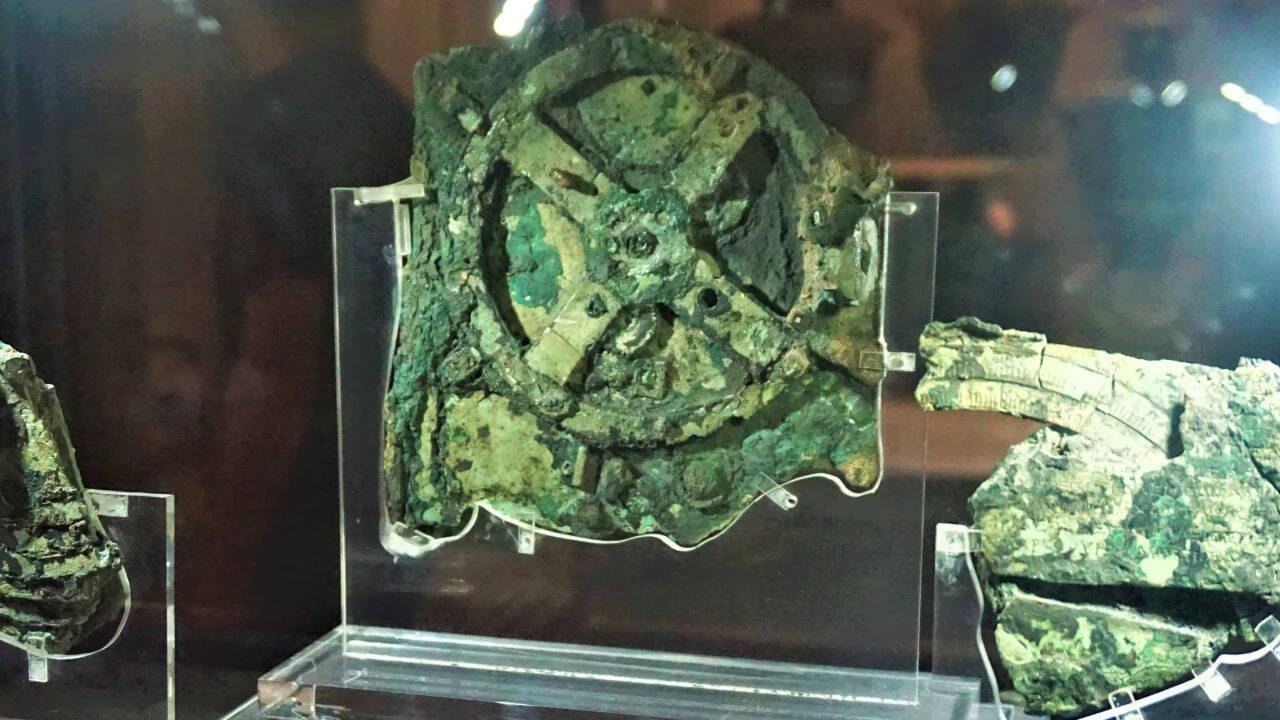 Ancient Greek Antikythera Mechanism Revealed as 2,000-Year-Old Eclipse Predictor
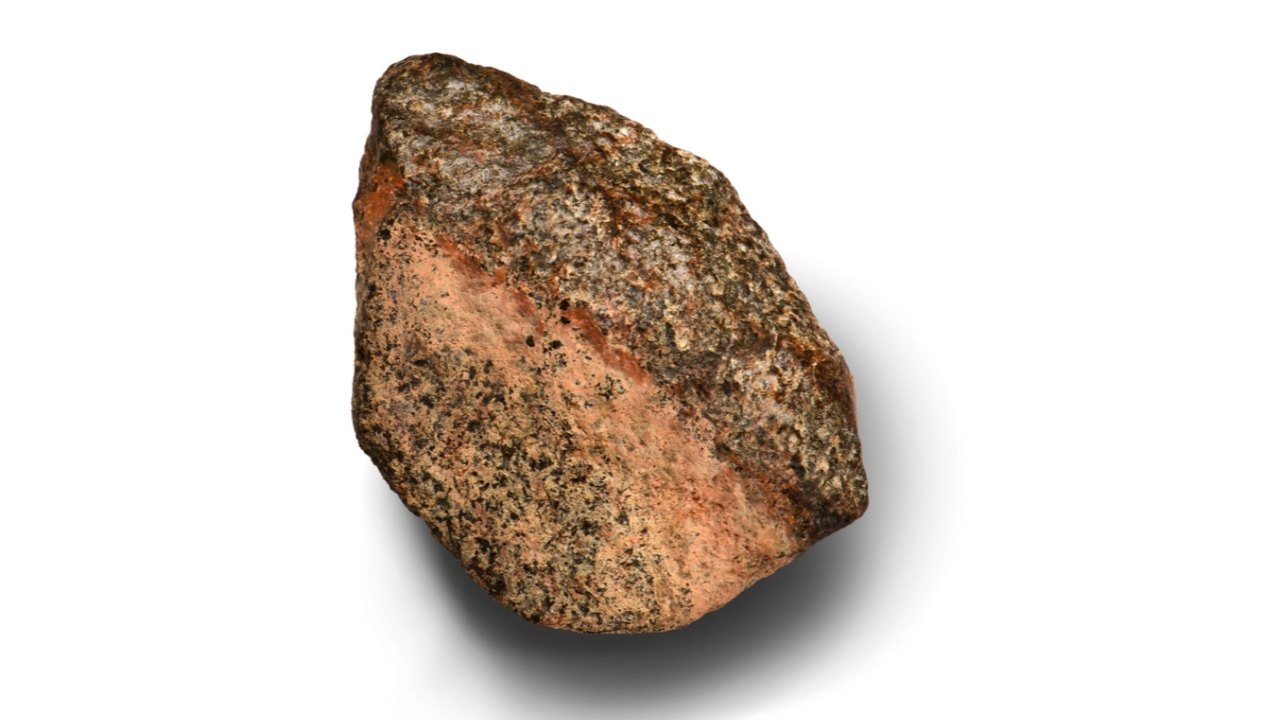 4.1-Billion-Year-Old Martian Meteorite Found in Sahara Desert Offers Clues to Ancient Water
 2,000-Year-Old Carbonised Bread from Herculaneum Reveals Ancient Roman Baking Methods
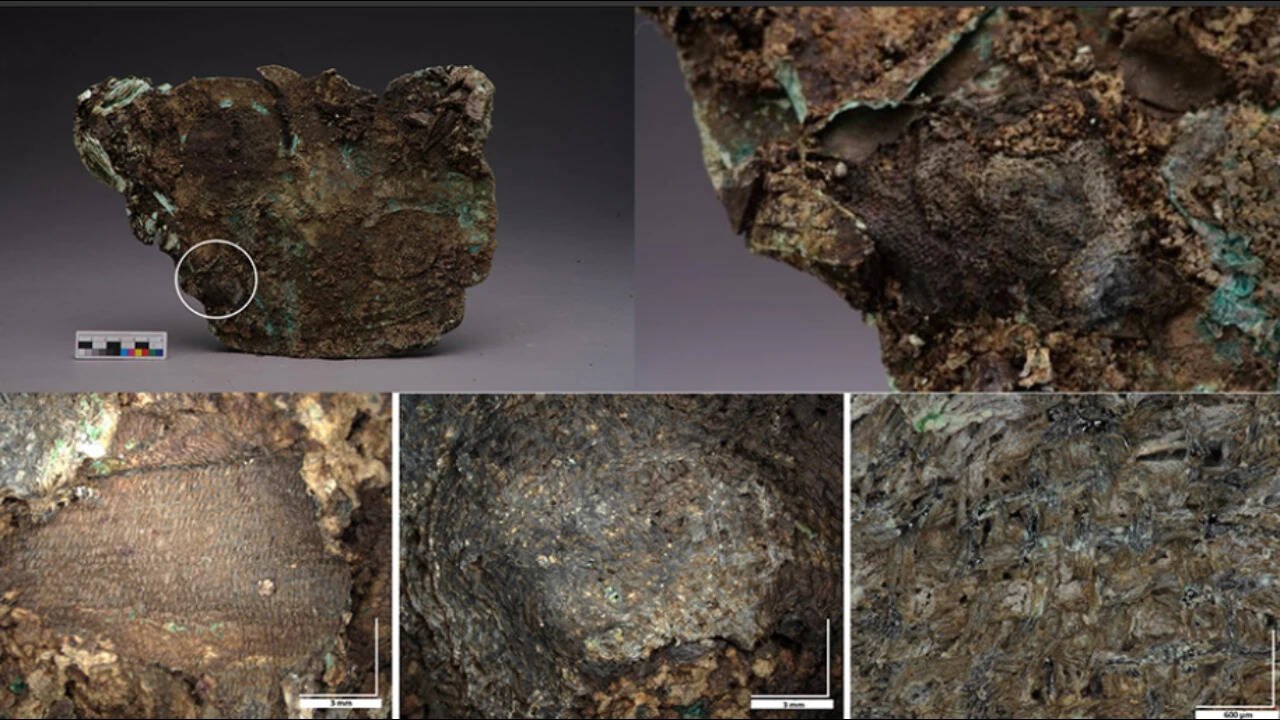 Scientists Find Silk Traces on 101 Ancient Chinese Ritual Objects Dating Back 3,000 Years
Trending on GlobeWire Daily
Selected from recent coverage and related topics; not live search rankings.
 Madhya Pradesh Government Plans Revenue Generation from 117-Year-Old Edward Villa in Mumbai Through Leasing
 iPhone 18 Pro Named TechRadar Product of the Year 2026
 Google Project Suncatcher Runs Gemma 4 AI on Orbiting Satellite and Receives First Response
 Gender Disparities in Eye Care Access Across India Examined
 Satellite Images Show Cyclone Arnab Weakening Over India As New System Brews
 Expanding Green and Blue Spaces Crucial for India's Economic and Public Health, Reports Indicate