AIIMS Delhi Performs India's First Open Foetal Surgery for Severe Spina Bifida
· GlobeWire Daily Science Desk · Source: www.thehindu.com
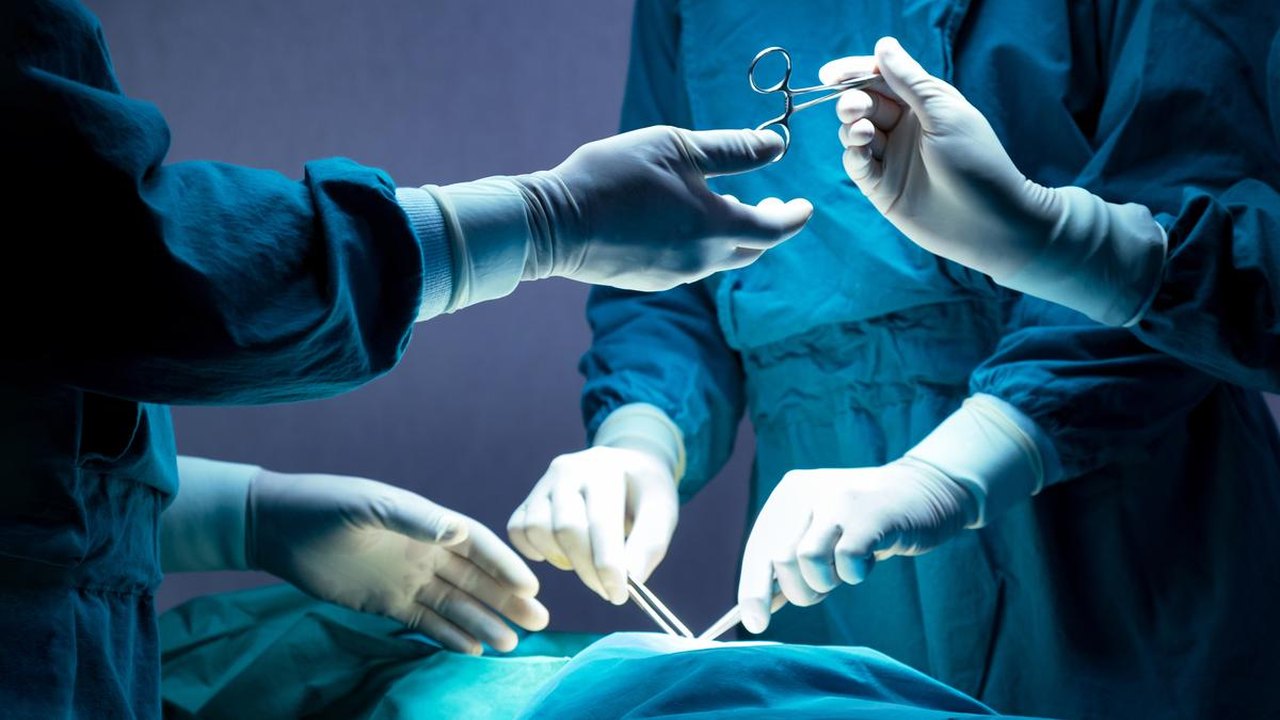
Image: The Hindu · Photo source · Resized and letterboxed to 16:9; no AI generation
Medical specialists at the All India Institute of Medical Sciences (AIIMS) in Delhi have reported performing India's first open foetal repair of a lumbosacral myelomeningocele at 25 weeks of gestation. Myelomeningocele is classified as the most severe form of spina bifida, an open neural tube defect where the spinal cord and its protective coverings protrude through an opening in the spine.
According to an official statement, the six-hour procedure aimed to repair the cerebrospinal-fluid-leaking defect in utero. The intervention followed five weeks of multidisciplinary planning, detailed foetal imaging, non-directive counselling, anaesthetic preparation, and operative simulation.
Key Aspects of the Procedure
- Multidisciplinary Team: Over 30 clinicians and nurses from obstetrics, neurosurgery, neuroanaesthesia, plastic surgery, radiodiagnosis, neonatology, and nursing participated.
- Technology Used: The surgery utilized high-end microscopy and continuous high-end ultrasonography assistance at the Neurosciences Centre.
- Financial Support: The procedure was provided free of cost to the family under the Union government’s Janani Shishu Suraksha Karyakram (JSSK).
Dr. Deepak Gupta, who led the neurosurgical component, explained that the intervention followed rigorous patient selection. Prenatal repair is intended to limit ongoing injury to exposed neural tissue, reduce the subsequent need for cerebrospinal-fluid diversion for hydrocephalus, and improve selected neurological outcomes. Medical experts clarified that the procedure is not a cure, and long-term multidisciplinary care remains essential.
Medical Context and Precautions
Professor K. Aparna Sharma from the Maternal–Fetal Medicine team noted that international trial evidence supports prenatal repair in carefully selected foetuses. However, the procedure carries important maternal and foetal risks, including prematurity and uterine-scar complications, and must be restricted to specialised centres.
Experts emphasised that foetal surgery is a treatment option for selected pregnancies rather than a substitute for prevention. Because neural-tube closure occurs approximately 28 days after conception—often before pregnancy is recognised—pre-conception folic-acid counselling, folate food fortification, and national surveillance remain crucial for reducing neural tube defect rates.
Both mother and foetus remain under close multidisciplinary surveillance through the remainder of the pregnancy, delivery, and newborn period. Traditionally, neurosurgeons perform such operations postnatally, though prenatal intervention seeks to protect the spinal cord before birth.
AI-assisted reporting; source claims are attributed and have not been independently verified.
More to read
 Delhi Records No 'Severe' AQI Days During November 1-15 for the First Time Since 2015
 AIIMS Delhi Orders Inquiry Into Alleged Surgery Delays Following Death of 15-Year-Old Tanvi
 Skyroot's Vikram-1 Becomes India's First Private Orbital Rocket, Carrying PM Modi's Postcard to Space
 AIIMS Delhi And Partner Centres Plan Study on Why Autoimmune Diseases Affect Families Differently