AIIMS Doctors Treat Rare Cancer Relapse After 10 Years: Causes and Warning Signs
· GlobeWire Daily Science Desk · Source: news.abplive.com
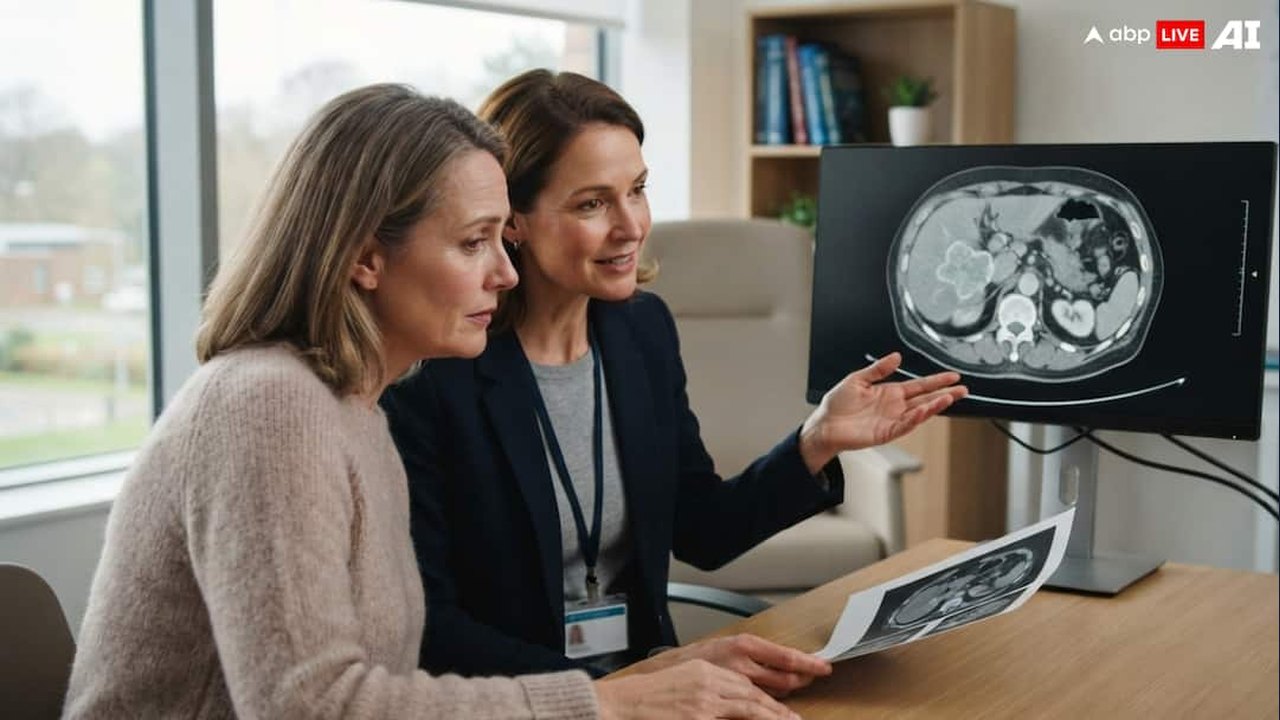
Image: ABP Live Lifestyle · Photo source · Resized and letterboxed to 16:9; no AI generation
Doctors at the All India Institute of Medical Sciences (AIIMS) in New Delhi recently treated a patient for a rare cancer relapse nearly a decade after her initial diagnosis. The patient had been treated for retinoblastoma, a childhood eye cancer, and remained cancer-free for almost 10 years before doctors discovered a new cancerous lesion in her leg bone, diagnosed as metastatic retinoblastoma. When conventional treatments did not yield expected results, radiotherapy was used to manage the condition while preserving leg function.
Medical experts report that cancer recurrence has no fixed timeline and can vary widely among individuals.
Understanding Cancer Recurrence
According to health organizations like the Cleveland Clinic, cancer can return months or even years after successful treatment. Recurrence depends on factors such as cancer type, initial treatment, and overall health. Medical professionals classify recurrence into three categories:
- Local Recurrence: Cancer returns to the original diagnostic site.
- Regional Recurrence: Cancer reappears in nearby lymph nodes or tissues.
- Distant Recurrence: Cancer spreads to distant organs or tissues in the body.
Why Does Cancer Return?
Cancer relapse can occur when microscopic cancer cells remain undetected in the body after initial therapy. Over time, these surviving cells can multiply and grow. Additionally, cancer cells may adapt or respond differently to treatments, making complete eradication challenging.
Common Warning Signs
While symptoms can mimic common health conditions, medical guidance suggests monitoring for persistent signs:
- Unexplained weight loss or persistent fever
- Persistent pain, cough, or headaches
- Lumps or swelling in previous or new areas
- Unusual bleeding, bruising, or blood in urine or stool
- Difficulty breathing or swallowing
- Nausea and vomiting
Diagnosis and Treatment Options
Doctors utilize various diagnostic tools depending on symptoms and medical history, including blood and urine tests, CT scans, MRIs, PET scans, and biopsies. Treatment approaches for recurrent cancer depend on the patient's overall health, cancer type, location, and elapsed time since initial treatment. Options may include surgery, repeated treatments, alternative chemotherapy regimens, targeted therapy, immunotherapy, or palliative care to manage symptoms and improve quality of life.
Patients should consult qualified oncologists to understand individual risks, follow-up care, and verify official medical guidance.
AI-assisted reporting; source claims are attributed and have not been independently verified.
More to read
 Bedwetting in Children: Causes, Warning Signs, and When to Consult a Doctor
 AIIMS Delhi Expert Predicts Significant Gains in Childhood Cancer Survival Data Over Next Five Years
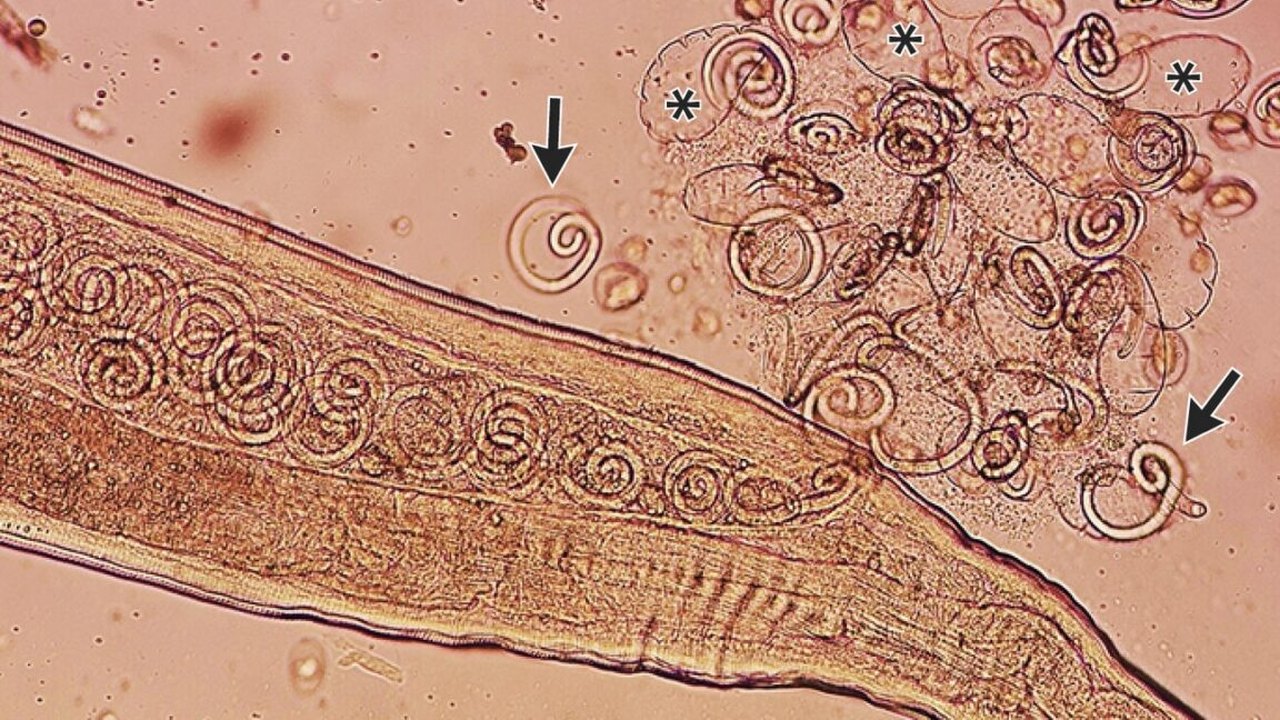 Doctors Remove 11 Living Worms from South Korean Man's Eyes in Rare Parasitic Infection
 Do Sugar and Red Meat Cause Cancer? An Oncologist Discusses Early Signs and Risk Factors in India