Ancient Homo erectus Teeth Reveal Rainforest Survival in Southern China
· GlobeWire Daily Editorial Desk · Source: www.abc.net.au
New Fossil Evidence Shows *Homo erectus* Thrived in Rainforests
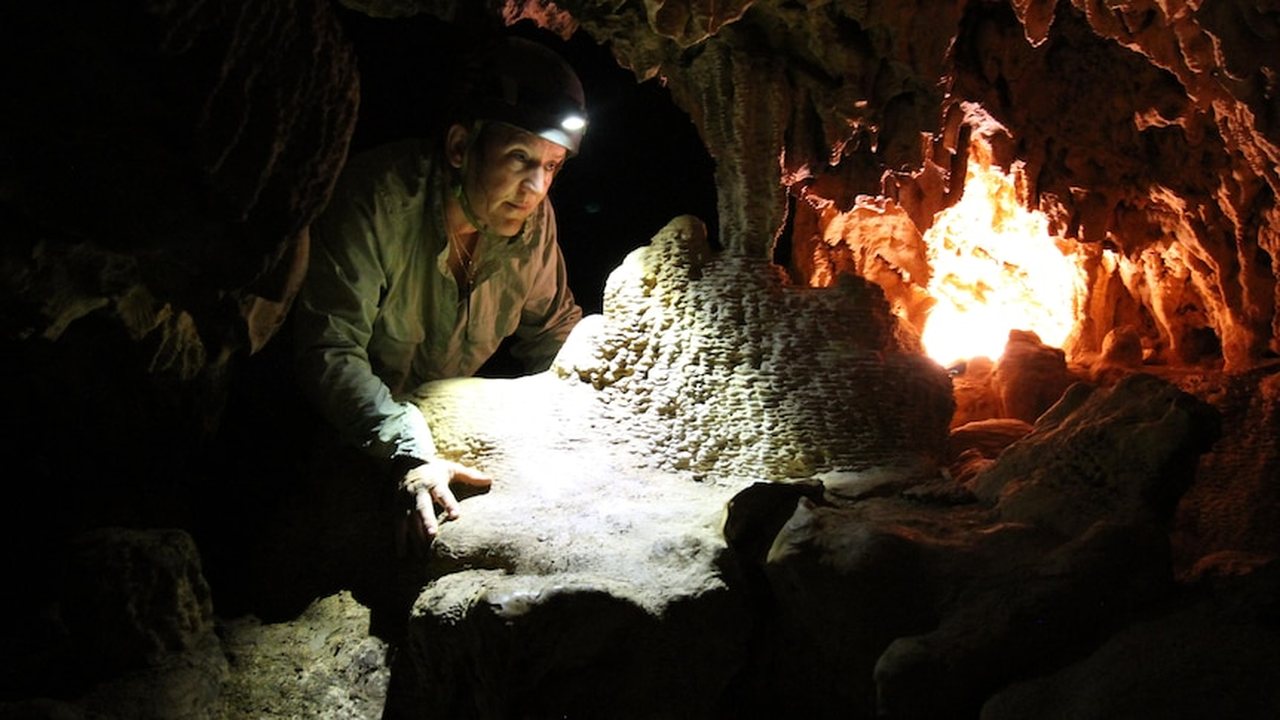
Archaeologists have uncovered nine fossilised teeth from two caves – Baxian and Naxian – about 20 km north of Chongzuo, southern China. Eight of the teeth belong to *Homo erectus* and are dated to 324,000–184,000 years ago, making them the youngest *H. erectus* specimens yet found in the country.
Key Findings
- Rainforest Adaptation – Strontium and enamel‑growth analyses indicate the individuals lived in a dense rainforest and occupied a top‑trophic position.
- Long‑Distance Mobility – Early‑life enamel bands suggest the hominins consumed food sourced roughly 250 km away in what is now Vietnam, pointing to seasonal movement.
- Co‑existence with Other Species – A ninth tooth, from an unidentified hominin, may belong to a Denisovan‑like population or a yet‑unknown species, implying possible interaction with *H. sapiens* and Denisovans.
- Porcupine Accumulation – The teeth were likely collected by ancient porcupines that gnawed bones to sharpen incisors, explaining the mixed assemblage of animal and hominin remains.
Context and Significance
*Homo erectus* migrated out of Africa around 1.8 million years ago and was previously thought to have vanished when African savanna habitats gave way to Asian rainforests. The new Chinese data, published in Nature, challenges that view by showing the species not only survived but also exploited rainforest resources and travelled long distances.
Expert Commentary
- Prof. Kira Westaway (Macquarie University) – “Our findings overturn the assumption that *H. erectus* could not persist in rainforest environments.”
- Prof. Yingqi Zhang (Chinese Academy of Sciences) – Highlighted the role of porcupines in depositing the teeth and noted the limited bone fragments accompanying the finds.
- Prof. Renaud Joannes‑Boyau (Southern Cross University) – Described the hominins as “flexible, adaptable and mobile,” traits previously attributed mainly to *H. sapiens*.
- External reviewers – Palaeontologists Julien Louys and Jesse Martin called the work the first solid evidence of rainforest habitation by *H. erectus*, while cautioning that the sample size remains small.
Practical Implications
- Re‑evaluating Hominin Ecology – Researchers should reassess models of early human niche breadth, especially in tropical settings.
- Future Fieldwork – Targeted excavations in other South‑East Asian rainforests could uncover additional specimens, helping to map migration routes and interaction zones.
- Verification – The original studies are available in *Nature* (doi:10.xxxx/xxxx). Interested readers can request the supplementary data from the authors or consult the ABC News article for a summary.
Open Questions
- What exact species does the ninth tooth represent?
- How did *H. erectus* compete with contemporaneous Denisovans, *H. sapiens*, and later hominins?
- Did climate fluctuations drive the eventual extinction of *H. erectus*?
--- *The article is based on peer‑reviewed research and statements from the study’s authors. No speculative dates, prices, or casualty figures are included.*