Antarctic Sea-Ice Loss Triggers Rapid Salinity Shift in Southern Ocean
· GlobeWire Daily Science Desk · Source: arstechnica.com
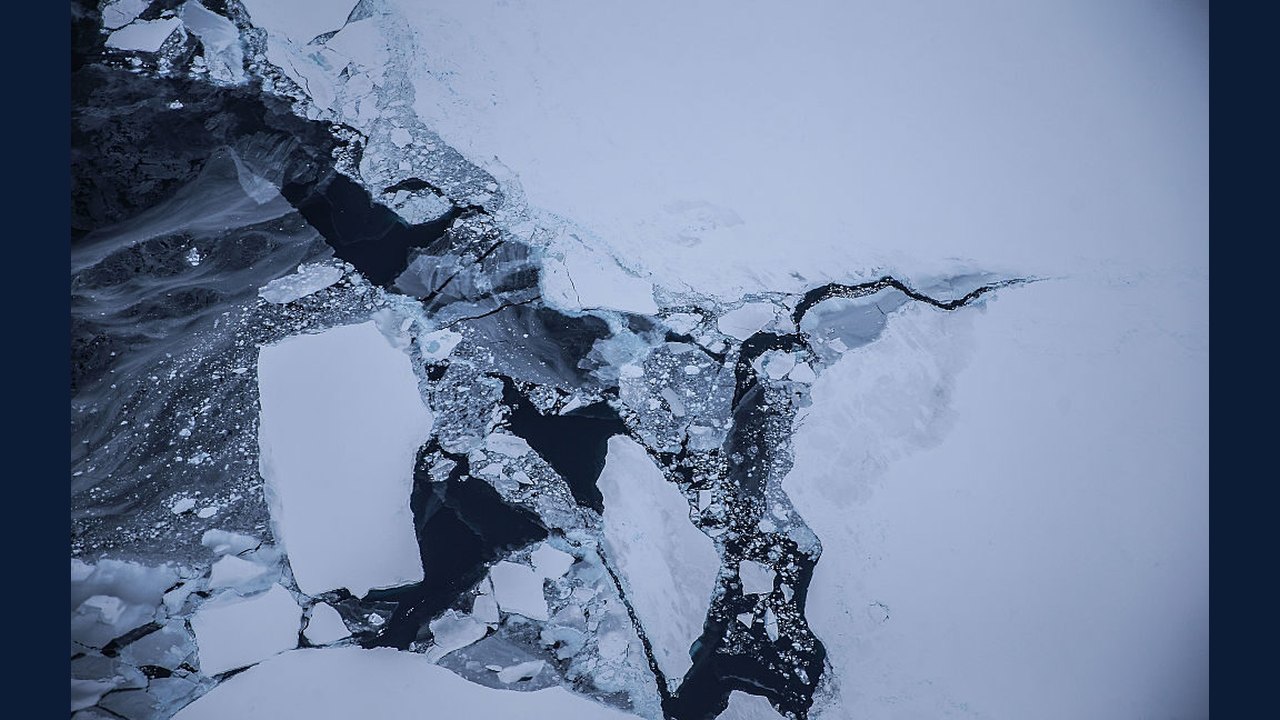
Image: Ars Technica · Photo source · Resized and letterboxed to 16:9; no AI generation
A recent study published on Wednesday reveals that a sharp decline in Antarctic sea ice since 2016 has caused a sudden increase in salinity within a vast layer of the Southern Ocean. Researchers report that this shift reverses decades of freshening across a water layer spanning depths of 2,300 to 4,000 feet, encircling Antarctica.
Ocean Changes and Global Reach
The affected layer, known as Antarctic Intermediate Water, extends northward into the Indian, Pacific, and Atlantic oceans. Co-author Bishakhdatta Gayen, a researcher and professor at the University of Melbourne and the Centre for Atmospheric and Oceanic Sciences in Bengaluru, India, explained that the layer transports heat, carbon, oxygen, and nutrients toward the tropics and across the equator.
- Data Sources: The study combined six independent datasets collected between 2004 and 2024, primarily using drifting Argo floats.
- Sea-Ice Decline: After reaching a record high in 2014, Antarctic sea ice dropped sharply in 2016 and hit further lows in 2023, reducing the availability of meltwater and increasing ocean salinity.
- Potential Impacts: Scientists note that changes to water density and thickness could alter how the ocean stores and distributes heat, potentially leading to increased storm frequency and modified atmospheric patterns.
Uncertainties and Need for Monitoring
Michael Meredith, an oceanographer with the British Antarctic Survey who was not involved in the new paper, stated that the findings demonstrate how sea-ice loss is already altering deep ocean properties. However, Meredith emphasized that it remains unclear whether the shift is permanent, noting that current global climate models still struggle to accurately reflect recent sea-ice losses and require further refinement.
Researchers agree that expanded monitoring is essential to track these developments and understand their long-term implications for global climate systems and marine ecosystems. Readers can examine the original peer-reviewed paper in scientific journals covering climate research to review the specific datasets and methodologies used.
AI-assisted reporting; source claims are attributed and have not been independently verified.
More to read
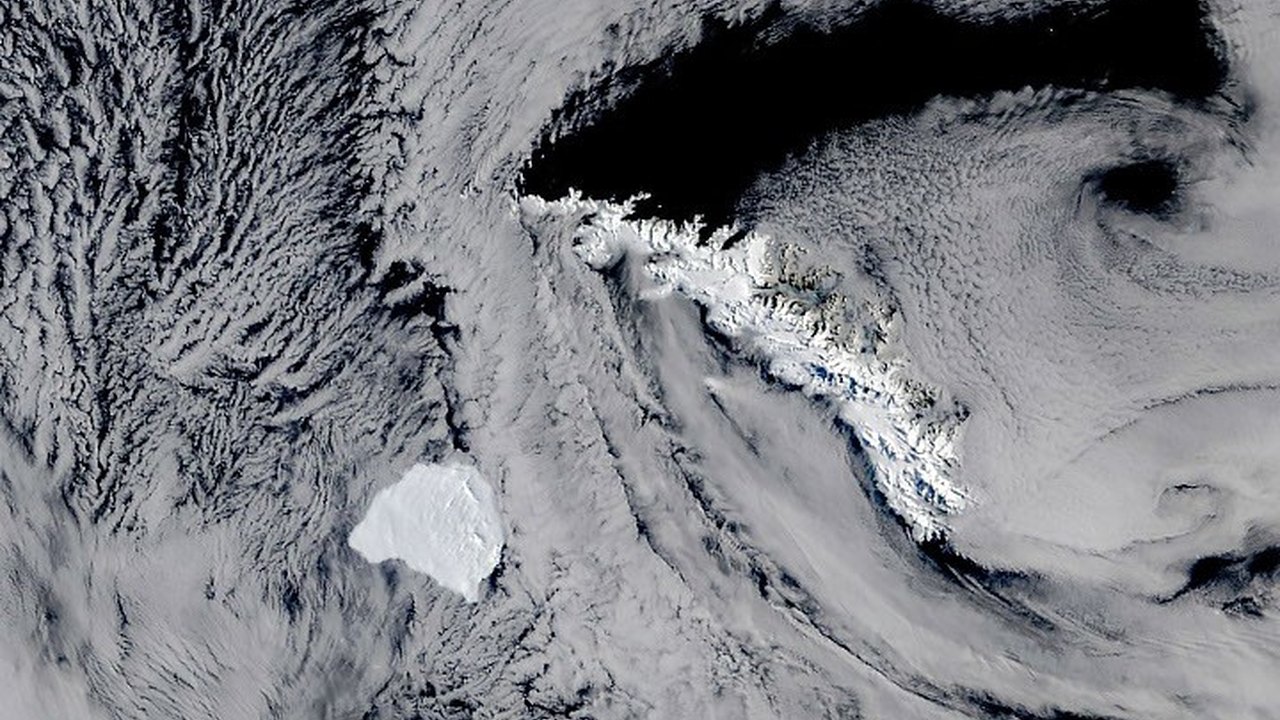 Antarctic Iceberg A-81 Reaches South Georgia: Why It Slowed Down
 Copernicus Sentinel-3 Captures West Antarctica Sea Ice Extent
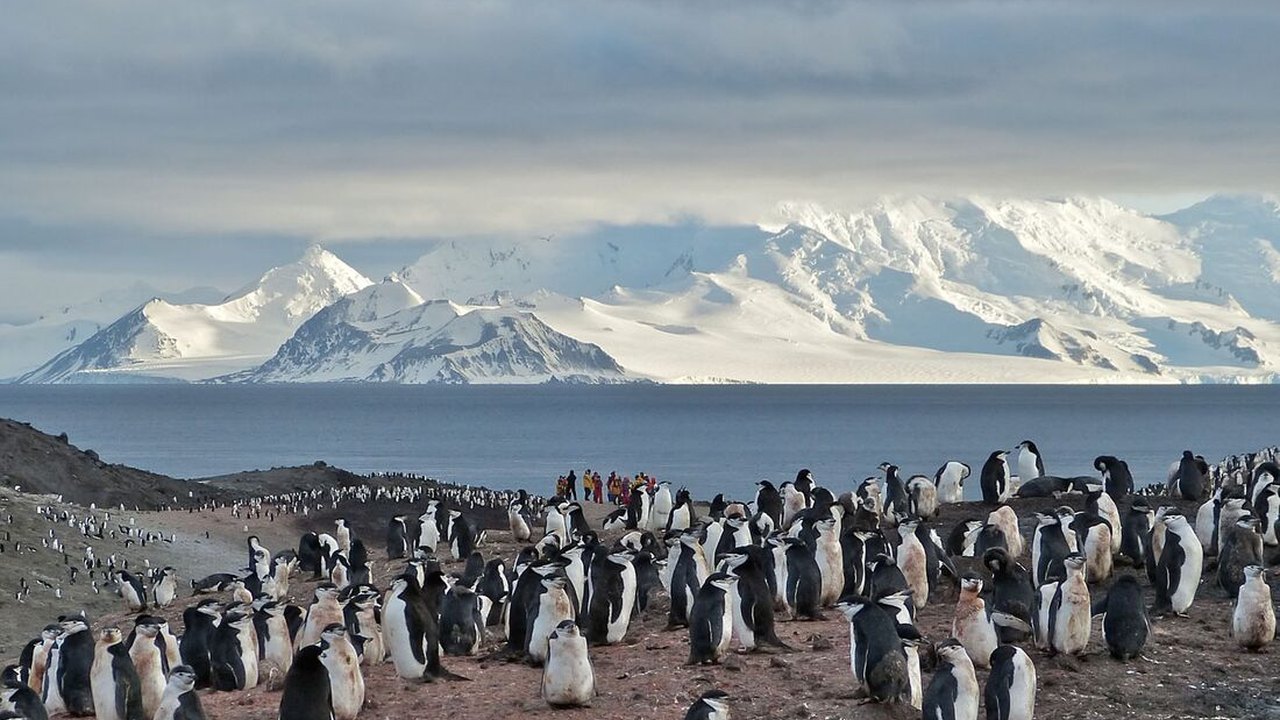 Intrepid Travel launches 10‑day Antarctic Peninsula Pure Expedition aboard the Ocean Victory
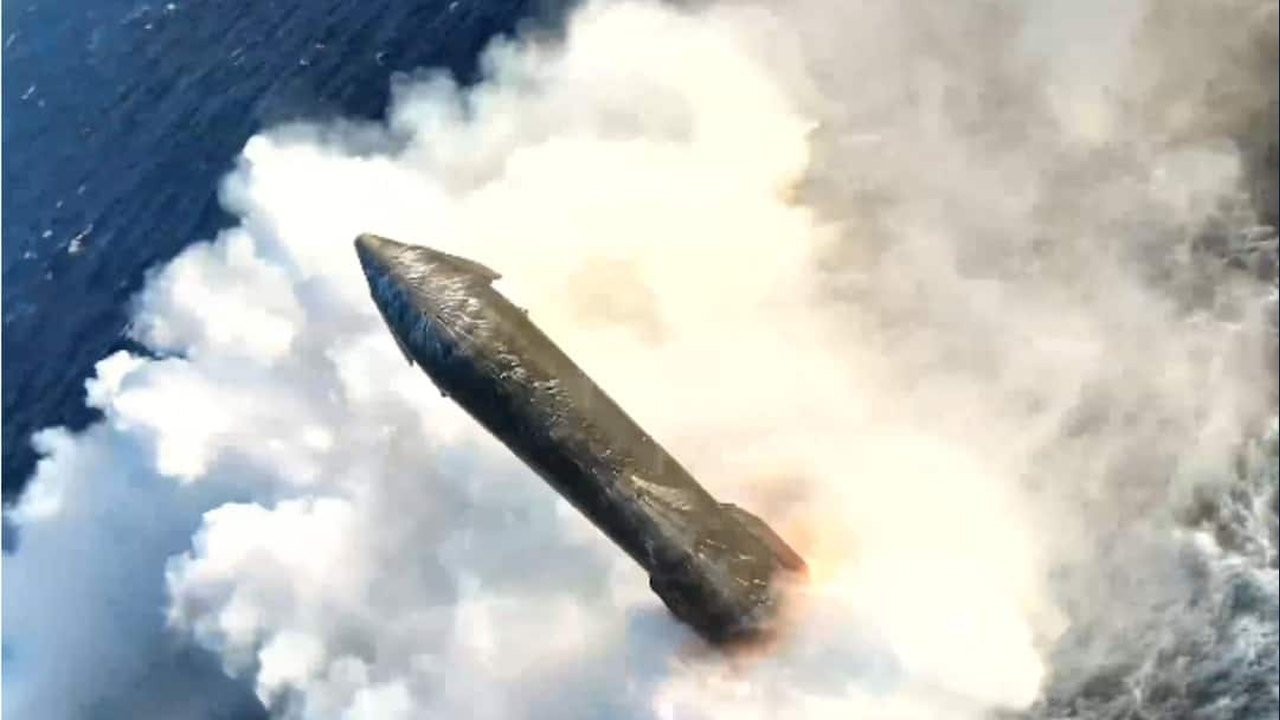 SpaceX Starship Flight 13 Completes Soft Indian Ocean Splashdown After Starlink Launch
Trending on GlobeWire Daily
Selected from recent coverage and related topics; not live search rankings.
 Madhya Pradesh Government Plans Revenue Generation from 117-Year-Old Edward Villa in Mumbai Through Leasing
 iPhone 18 Pro Named TechRadar Product of the Year 2026
 Google Project Suncatcher Runs Gemma 4 AI on Orbiting Satellite and Receives First Response
 Gender Disparities in Eye Care Access Across India Examined
 Satellite Images Show Cyclone Arnab Weakening Over India As New System Brews
 Expanding Green and Blue Spaces Crucial for India's Economic and Public Health, Reports Indicate