Buruli Ulcer Cases Rise: Understanding the Risks and Prevention Strategies
· GlobeWire Daily Science Desk · Source: www.abc.net.au
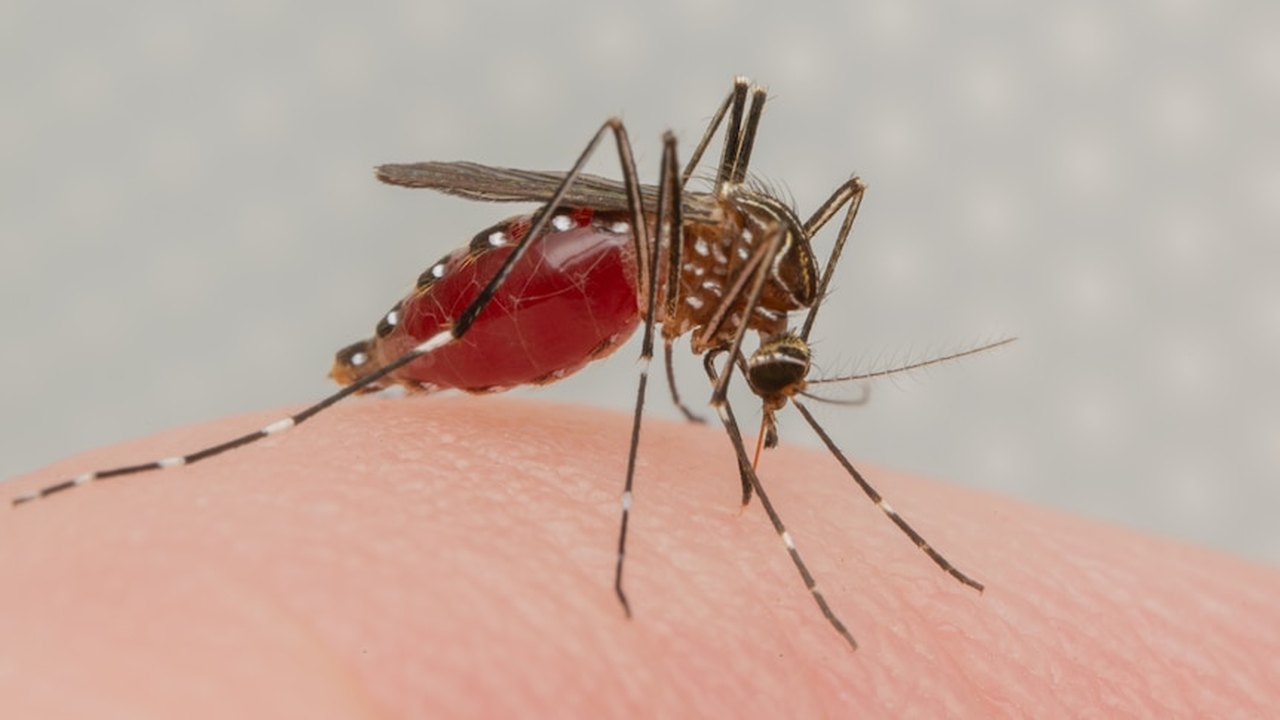
Image: www.abc.net.au · Photo source · Resized and letterboxed to 16:9; no AI generation
Cases of the skin-infecting Buruli ulcer, caused by the bacterium Mycobacterium ulcerans, are increasing, particularly in parts of Australia like Victoria, Queensland, and New South Wales. The condition often begins as a small, painless lump that develops into an open sore as bacteria damage skin, fat, and muscle.
Symptoms and Transmission
- The disease is transmitted to humans primarily by mosquitoes, though contact with contaminated soil—often linked to the droppings of infected brushtail and ringtail possums—is another pathway.
- Symptoms develop slowly, with the first signs appearing five to six months after infection.
- Dr. Daniel O'Brien notes that infections can resemble non-healing spider bites.
Diagnosis and Treatment
Diagnosis is confirmed through PCR testing. Standard treatment involves a six-to-eight-week course of antibiotics, though the duration and side effects can make completion difficult for some patients. Research into a shorter 10-day antibiotic regimen is currently underway. In cases of severe tissue damage, surgery may be required.
Protective Measures
Health experts emphasize that while cases are rising, the condition remains relatively uncommon. Individuals can reduce their risk by:
- Applying mosquito repellent to exposed skin.
- Covering open wounds before working with soil and cleaning any injuries immediately with soap, water, and antiseptic.
- Avoiding direct contact with sick or injured possums.
- Removing standing water near homes to limit mosquito breeding grounds.
Early medical consultation is strongly recommended for any suspicious, non-healing lumps, especially for those residing in or visiting known endemic regions.
AI-assisted reporting; source claims are attributed and have not been independently verified.
More to read
 Understanding Childhood Trauma and Festive Anxiety: Expert Advice on PTSD and Coping Strategies
 The Rise of Rib Remodelling: Understanding the Trend of Permanent Waist Alteration
 When Swarms of AI Agents Fly the Coop: Understanding Autonomous Behavior and Security Risks
 Spain Reports Rise in Marbled Duck Breeding Numbers Following Wetland Restoration Project
Trending on GlobeWire Daily
Selected from recent coverage and related topics; not live search rankings.
 Madhya Pradesh Government Plans Revenue Generation from 117-Year-Old Edward Villa in Mumbai Through Leasing
 iPhone 18 Pro Named TechRadar Product of the Year 2026
 Google Project Suncatcher Runs Gemma 4 AI on Orbiting Satellite and Receives First Response
 Gender Disparities in Eye Care Access Across India Examined
 Satellite Images Show Cyclone Arnab Weakening Over India As New System Brews
 Expanding Green and Blue Spaces Crucial for India's Economic and Public Health, Reports Indicate